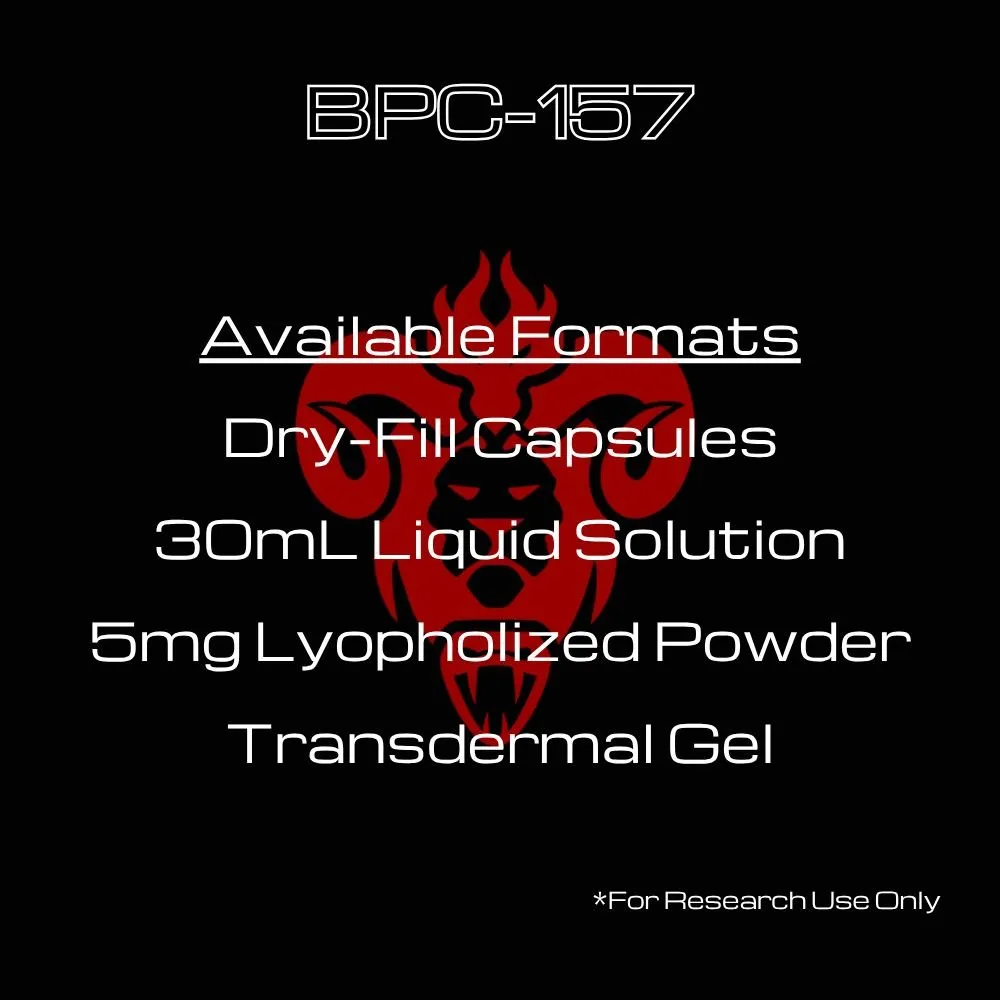
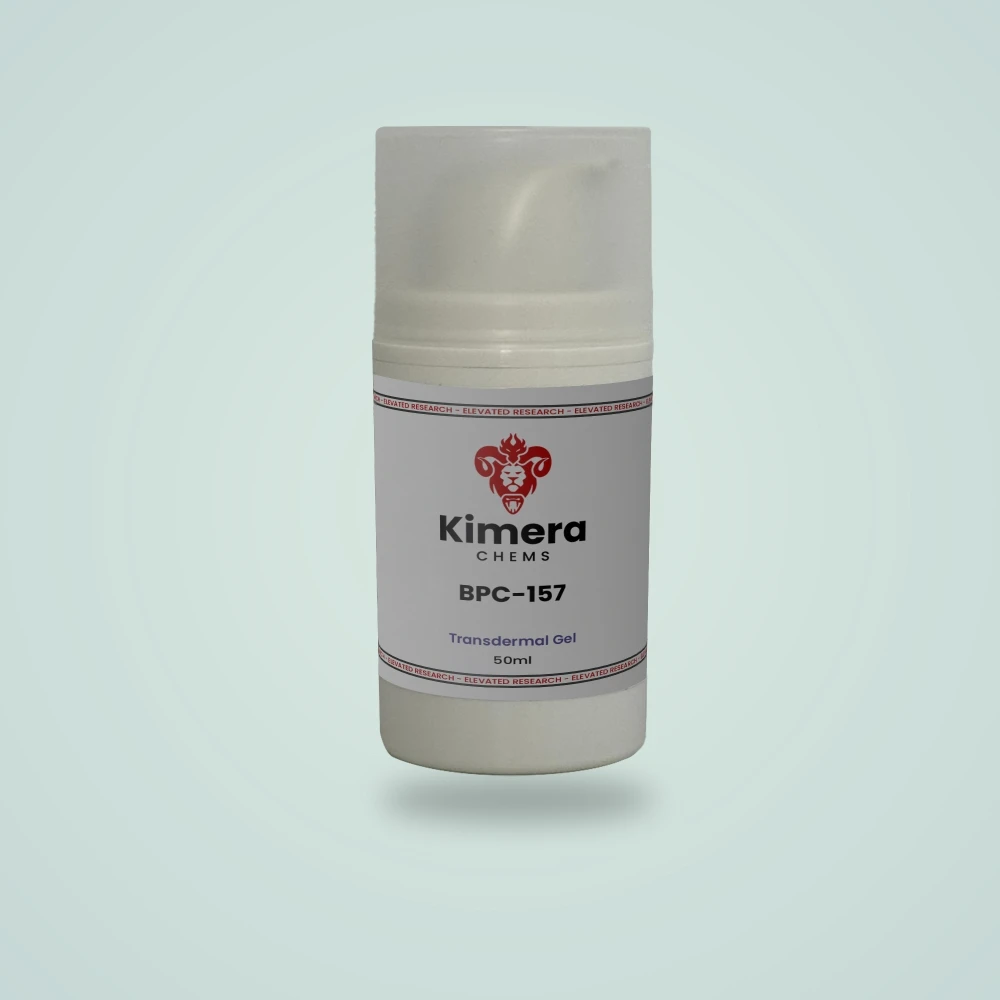
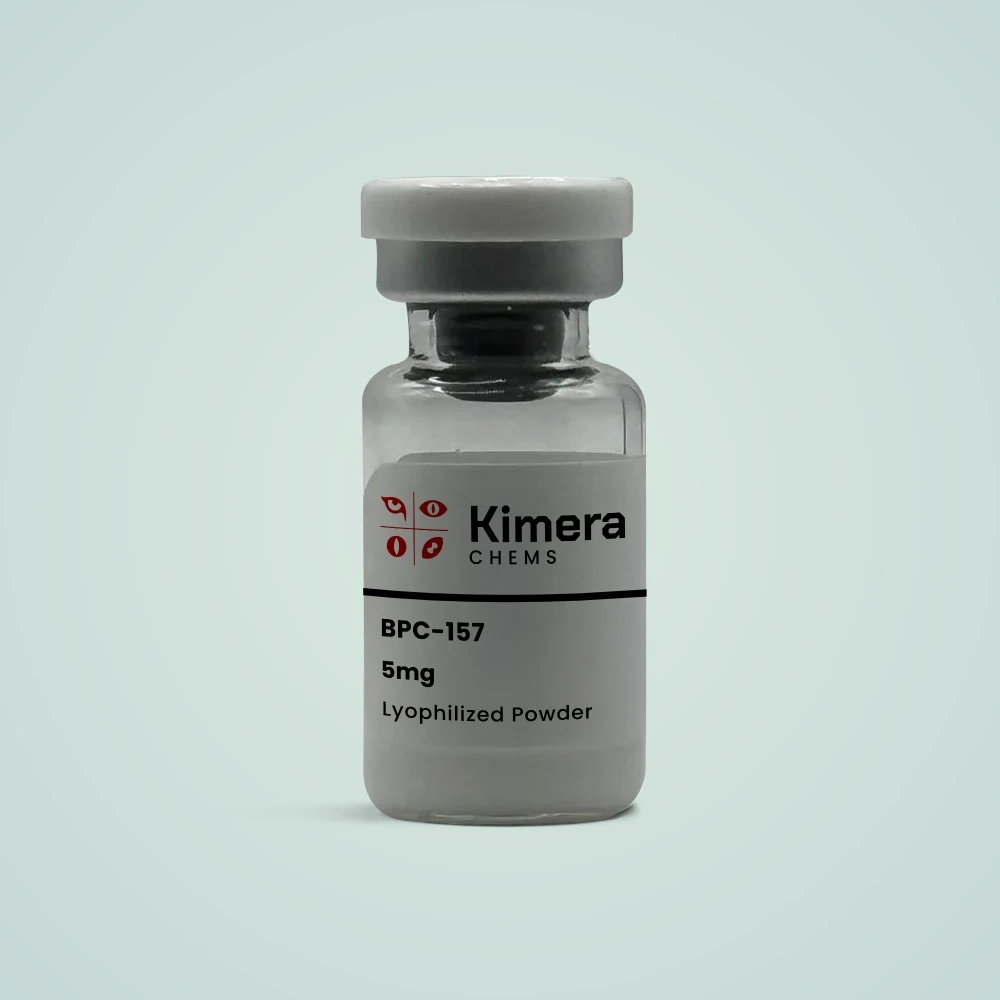
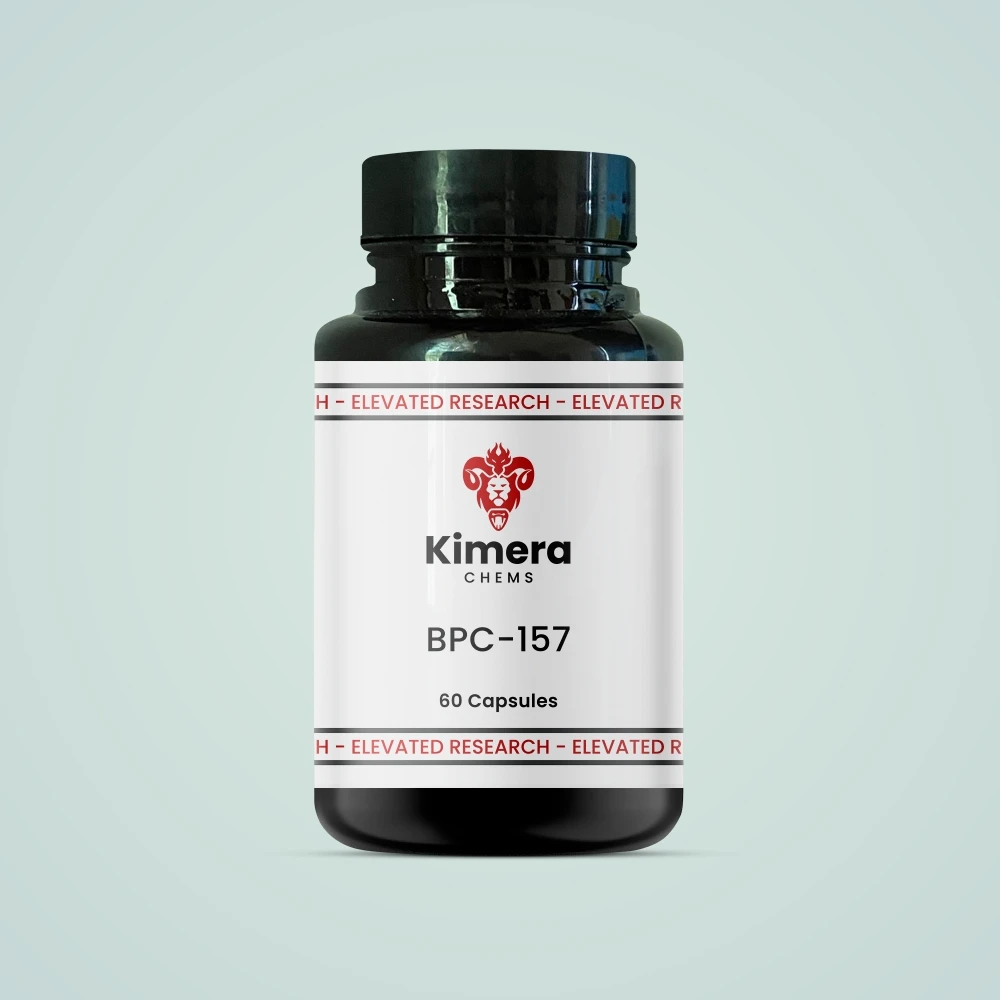
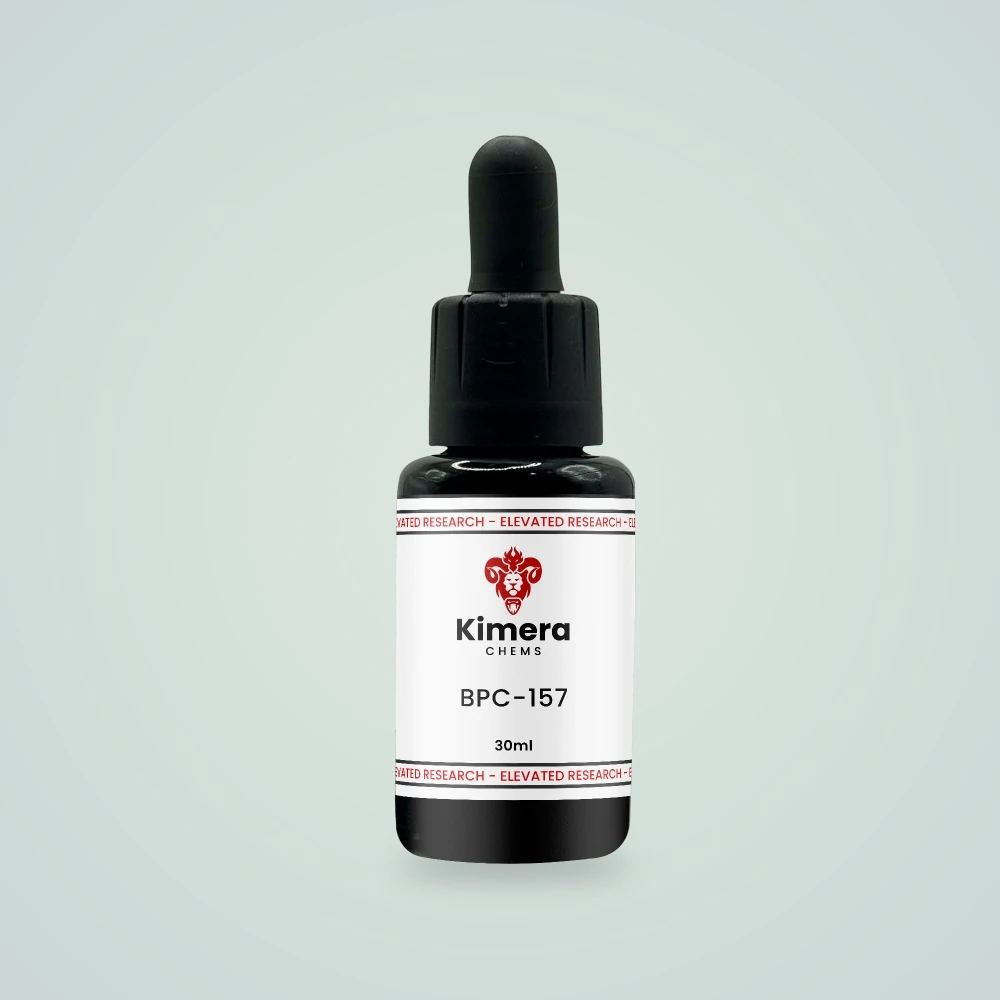

BPC-157 is a synthetic pentadecapeptide. It is utilized in laboratory research as a stable chain of 15 amino acids. Researchers investigate BPC-157 for its potential interaction with multiple cellular signaling systems. The primary scientific focus is on its role as a signaling-active peptide within models of cellular communication. Scientists use BPC-157 in in vitro experiments to examine these specific molecular interactions. They analyze its potential association with pathways involving growth factors and nitric oxide synthesis. This work aims to map the peptide’s influence on signaling pathways related to cell growth and migration. The peptide is a tool for studying complex signaling networks in various tissue models. It supports fundamental research in molecular biology and cell signaling mechanisms.
Chemical Composition & Purity
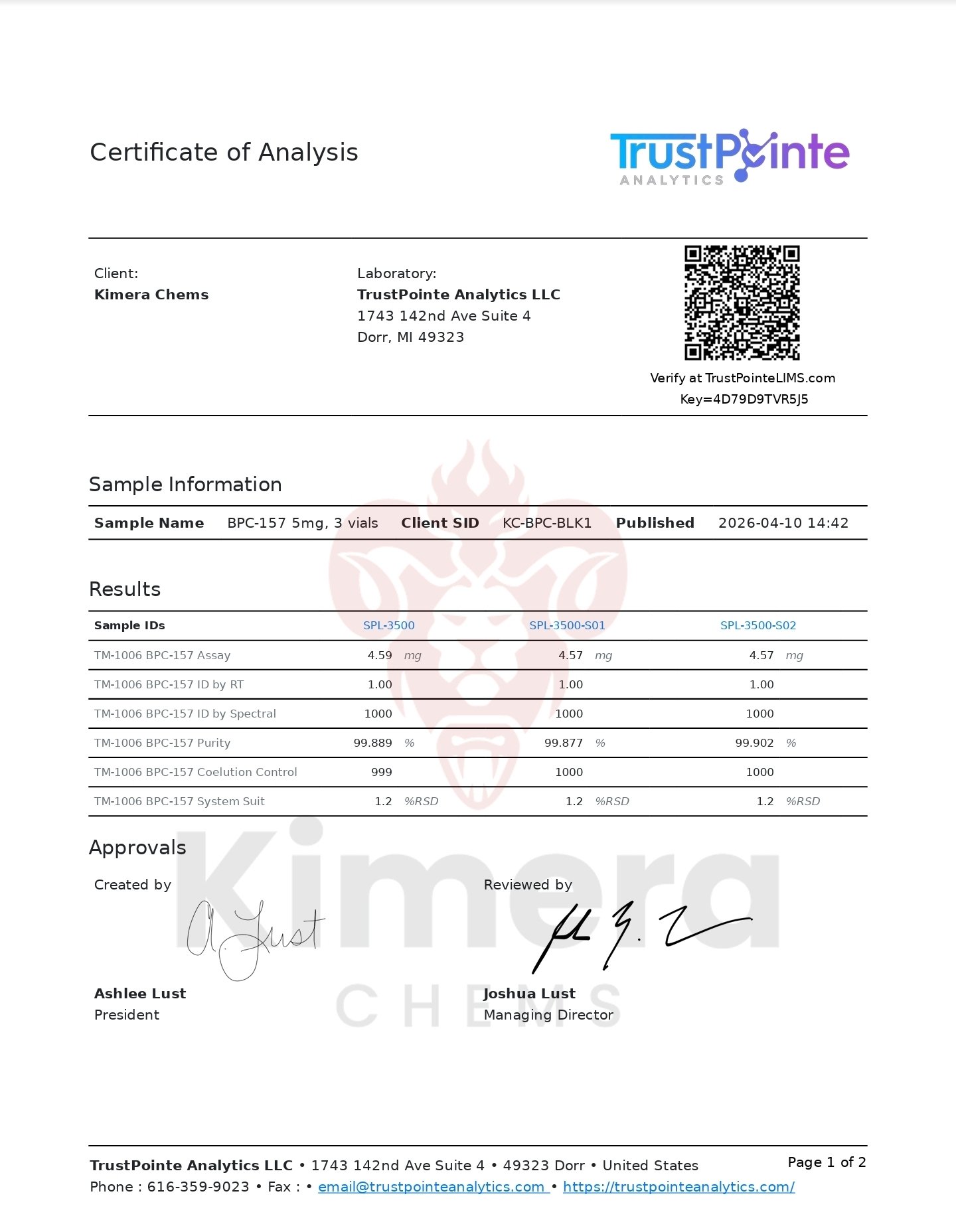
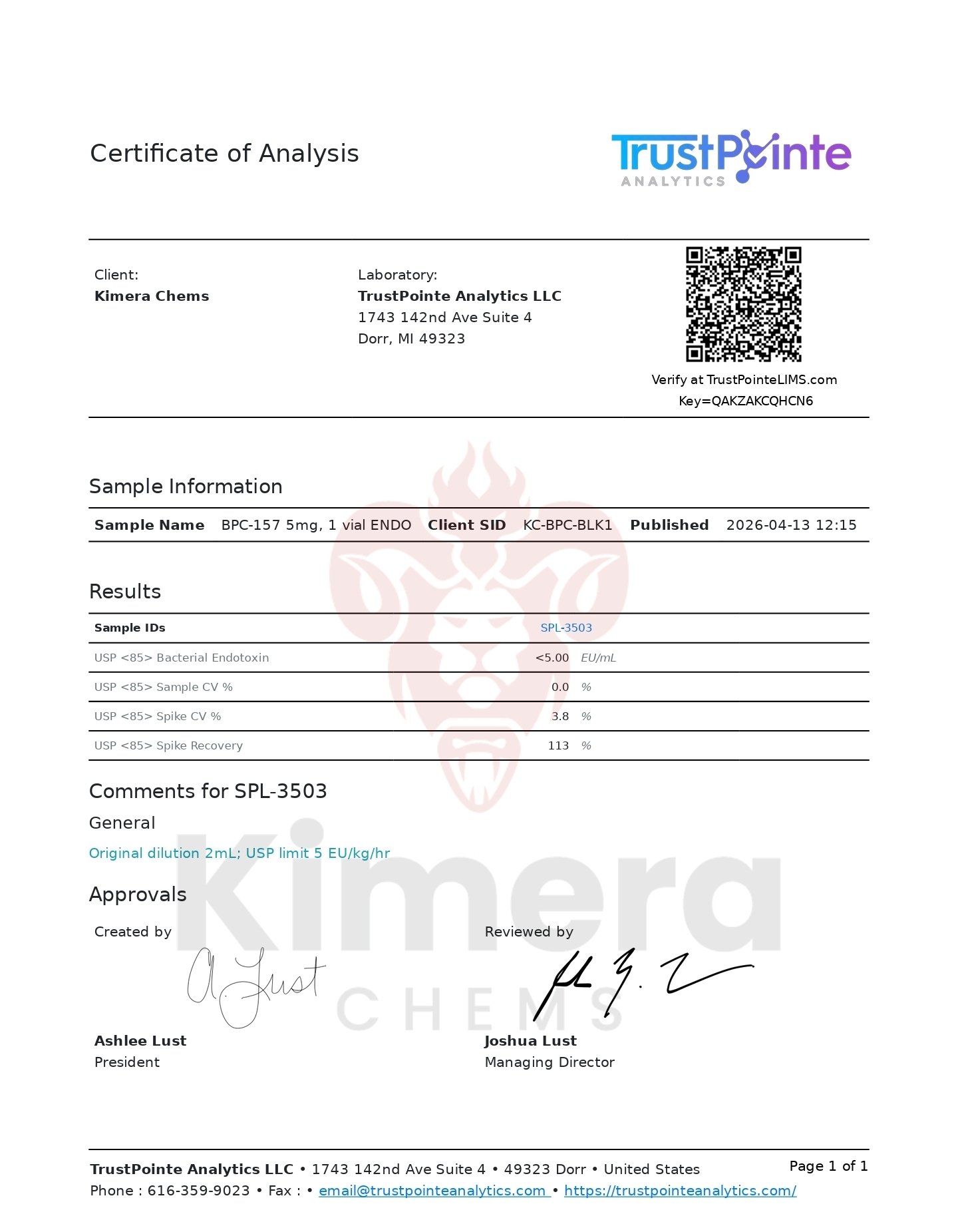
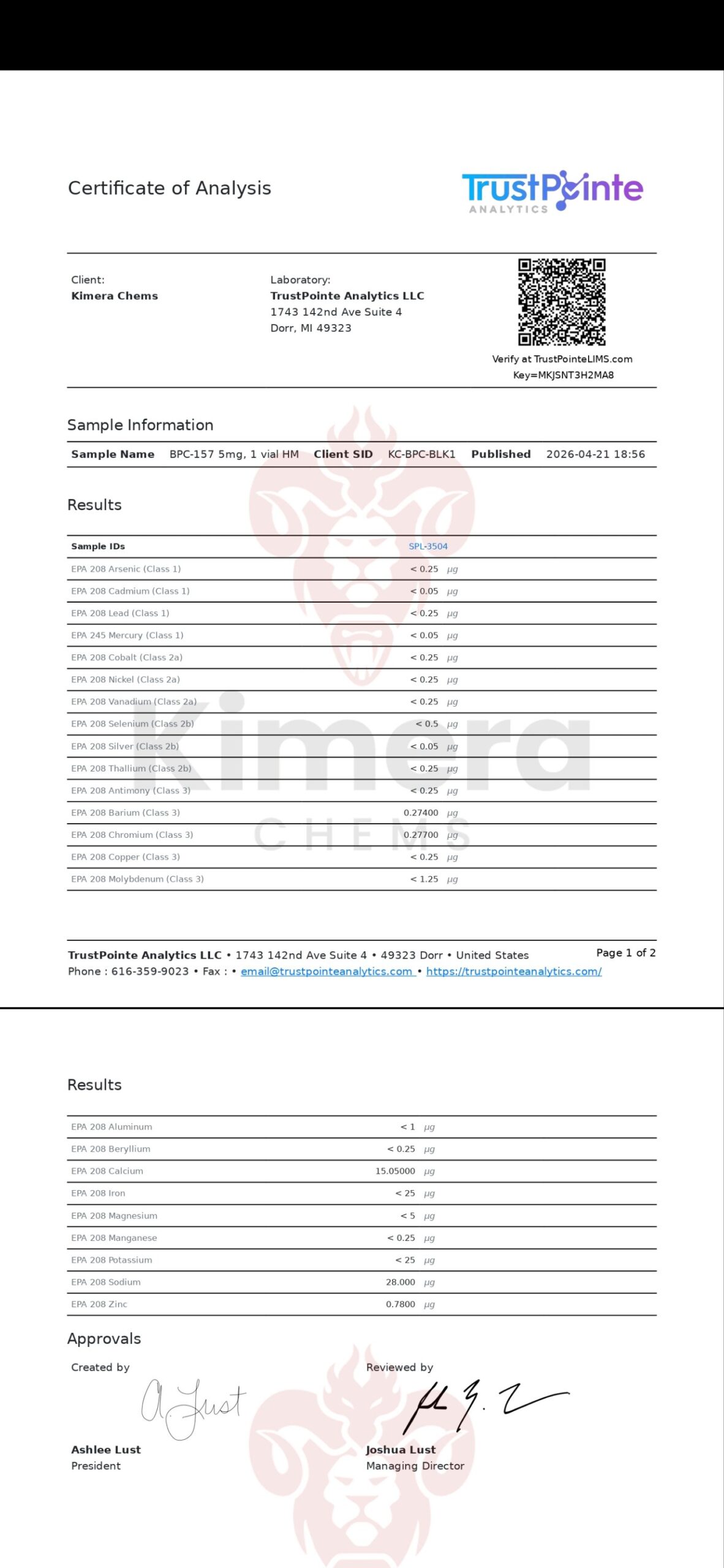
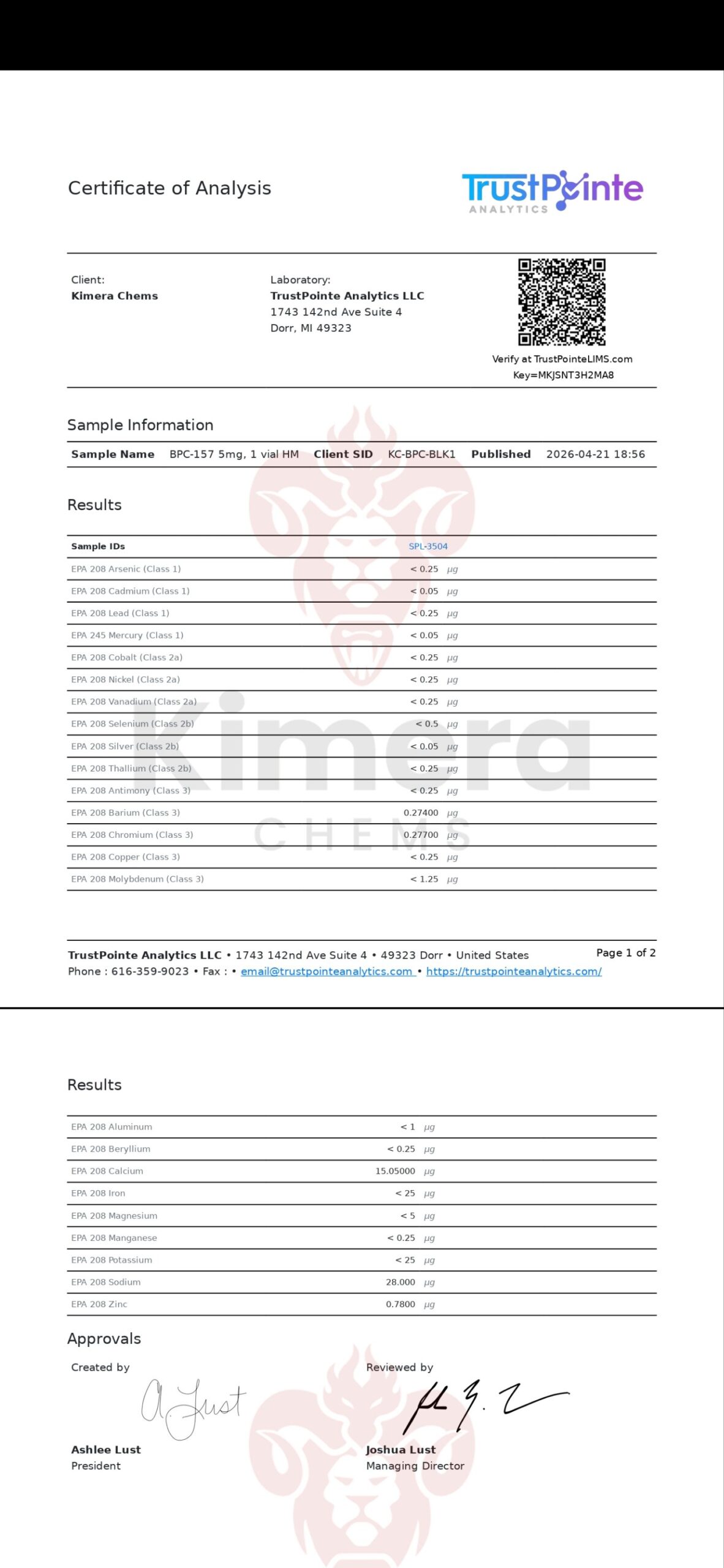
BPC 157 peptide is supplied as a lyophilized (freeze-dried) powder. The physical form of the material is a white to off-white solid. The molecular formula is C₆₂H₉₈N₁₆O₂₂. Every production batch is analyzed using high-performance liquid chromatography (HPLC). This method confirms the peptide’s identity and a purity of ≥98%. This verification ensures the material is of high quality for reproducible research studies.
Research Applications
In the laboratory, BPC-157 is used as a research peptide in various cellular models. Its mechanism is researched in the context of interacting with growth factor signaling pathways. Researchers evaluate it in in vitro models to examine its association with cell migration and proliferation.
- Cell Migration Assays: Studying potential effects on cell movement.
- Angiogenesis Models: Use in endothelial cell culture studies.
- Growth Factor Research: Analyzing interactions with signaling pathways.
- In Vitro Wound Models: Application in scratch assay protocols.
- Receptor Interaction Studies: Mapping potential binding partners.
Storage & Handling Protocol
Correct storage is essential for maintaining the molecular stability of this lyophilized peptide. Following standard laboratory procedures prevents degradation and ensures research viability.
- Lyophilized peptides can be kept at room temperature, away from direct light.
- If reconstituted, the sample should be kept in the fridge.
- For long-term storage, the material must be stored in the freezer.
- Keep in a dry environment protected from humidity.
- Maintain the powder in its original, tightly sealed vial.
Compliance & Usage Disclaimer
This product is for Research Use Only (RUO). It is not for human or animal consumption. It is not a drug, dietary supplement, or cosmetic. This requirement applies to all bpc 157 for sale material supplied. Using this substance incorrectly can be extremely hazardous to your health and safety.
Availability & Research Sourcing
Kimera Chems is a supplier of high-purity research chemicals for the scientific community. Scientists looking to buy bpc 157 for their projects can access detailed product specifications and technical data on our platform. We are the best place to buy SARMs, buy legit Peptides, buy nootropics USA, buy research chemicals USA, and buy amino acids USA.
| CAS Number | 137525-51-0 |
| Other Names | BPC157, BPC 157, Bepecin, 8ED8NXK95P, Bpc 15, PLD-116, PL-14736, pl-10, Booly protection compound 15 |
| IUPAC Name | (4S)-4-[(2-aminoacetyl)amino]-5-[(2S)-2-[(2S)-2-[(2S)-2-[[2-[[(2S)-6-amino-1-[(2S)-2-[[(2S)-1-[[(2S)-3-carboxy-1-[[(2S)-3-carboxy-1-[[(2S)-1-[[2-[[(2S)-1-[[(1S)-1-carboxy-2-methylpropyl]amino]-4-methyl-1-oxopentan-2-yl]amino]-2-oxoethyl]amino]-1-oxopropan-2-yl]amino]-1-oxopropan-2-yl]amino]-1-oxopropan-2-yl]amino]-1-oxopropan-2-yl]carbamoyl]pyrrolidin-1-yl]-1-oxohexan-2-yl]amino]-2-oxoethyl]carbamoyl]pyrrolidine-1-carbonyl]pyrrolidine-1-carbonyl]pyrrolidin-1-yl]-5-oxopentanoic acid |
| Molecular Formula | C₆₂H₉₈N₁₆O₂₂ |
| Molecular Weight | 1419.5 |