
DIHEXA Article
What Is DIHEXA?
DIHEXA is a synthetic peptide-derived compound investigated in laboratory settings for its interaction with pathways associated with synaptic signaling and neural plasticity. It is structurally derived from angiotensin IV analogs and has gained interest in advanced cognitive and neurobiological research models.
Unlike traditional nootropics, DIHEXA is notable for its exceptionally high binding affinity to pathways linked to synapse formation and neuronal communication, making it a subject of interest in exploratory neuroscience research.
DIHEXA Mechanism of Action (Research Overview)
In non-clinical research environments, DIHEXA has been examined for its ability to influence signaling pathways involved in synaptogenesis. Experimental data suggests interaction with hepatocyte growth factor (HGF)-related signaling, which plays a role in neuronal connectivity and cellular communication.
Key research observations include:
-
Support of synaptic density signaling pathways
-
Interaction with neurotrophic-related mechanisms
-
High potency at extremely low concentrations in vitro
These characteristics distinguish DIHEXA from conventional cognitive compounds under investigation.
Chemical & Physical Properties
-
Compound Name: DIHEXA
-
Molecular Class: Peptide-derived small molecule
-
Solubility: Commonly soluble in DMSO and compatible laboratory solvents
-
Stability: Stable under controlled laboratory storage conditions
-
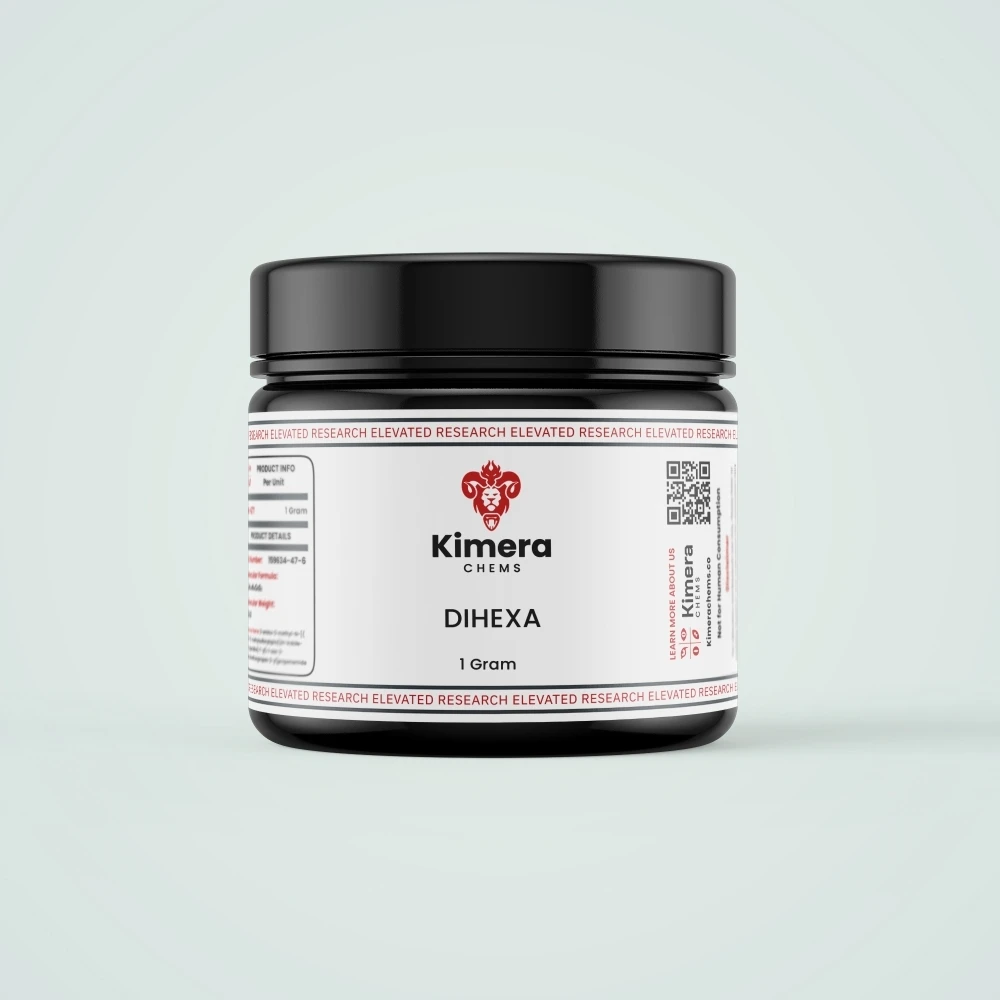
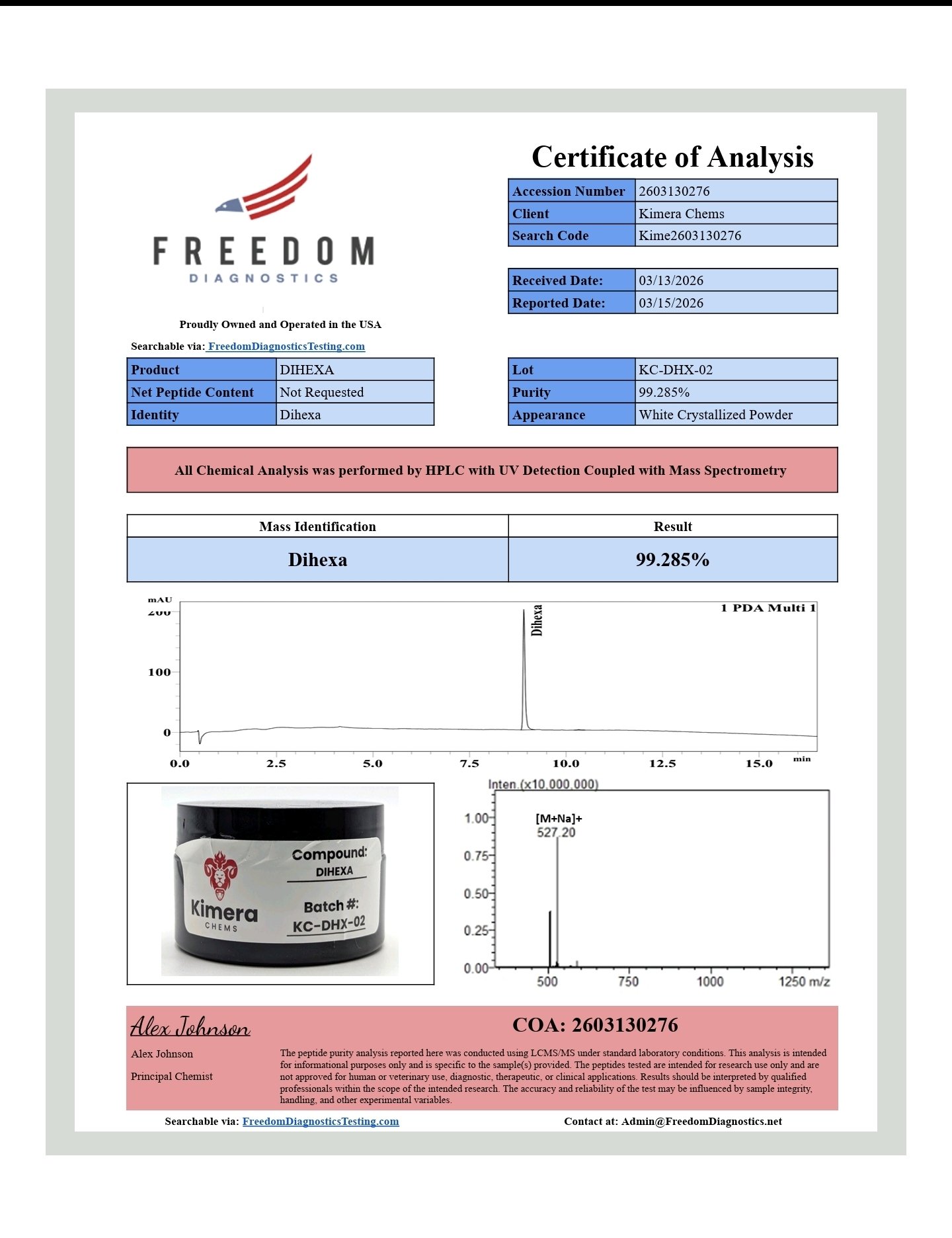
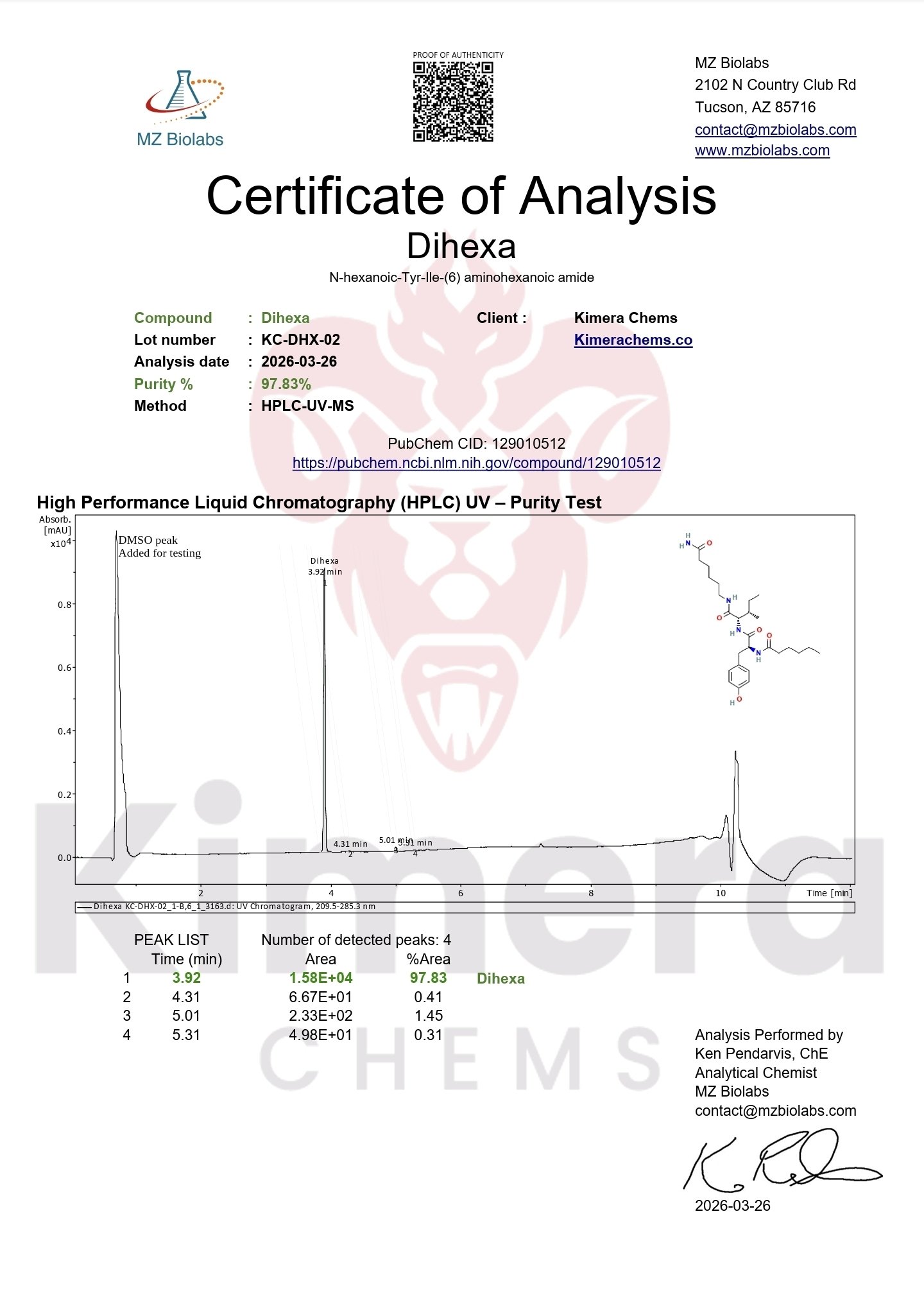
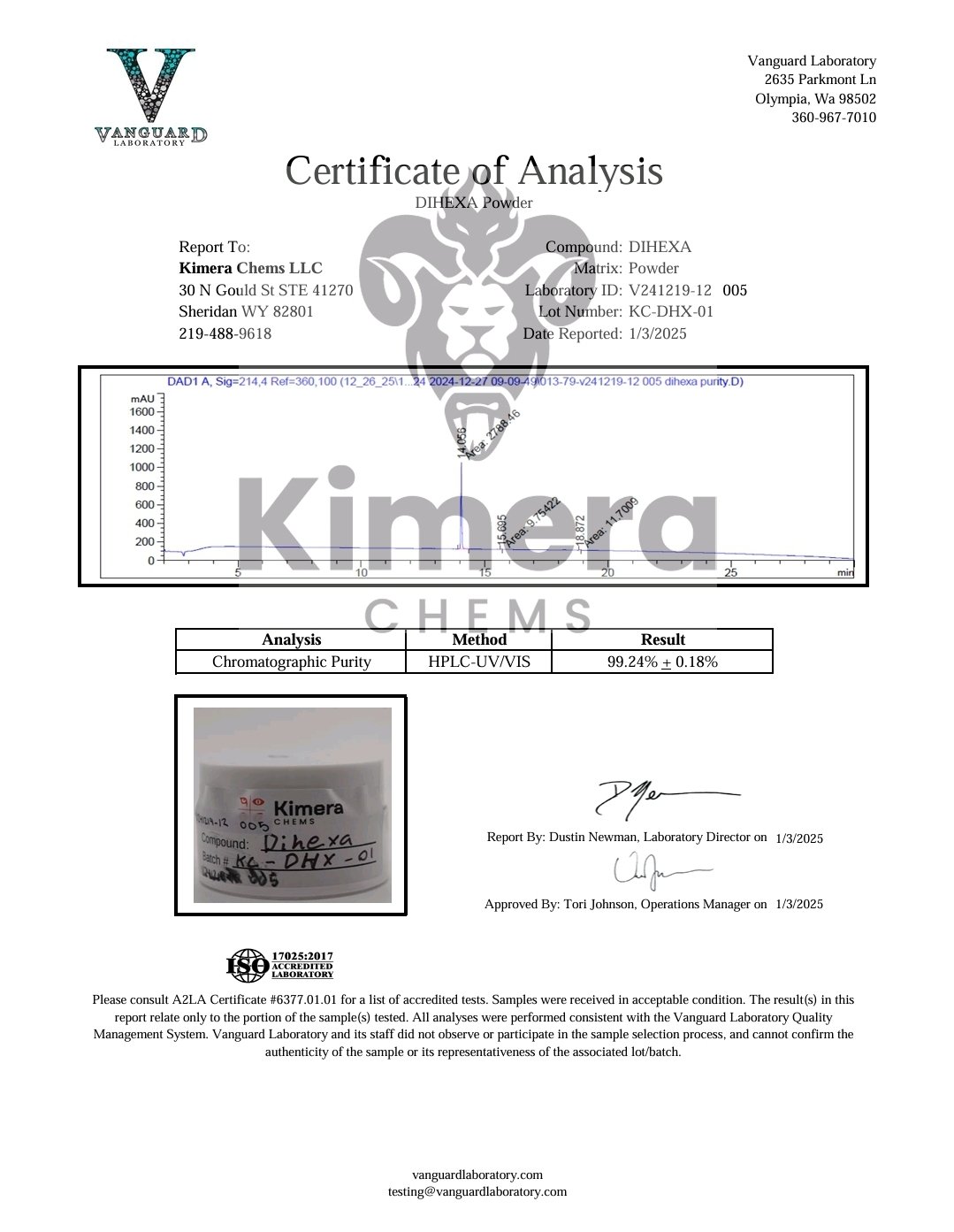
Appearance: Typically supplied as a fine powder
Research Applications
DIHEXA is utilized strictly in laboratory and analytical research contexts, including:
-
Neuroplasticity signaling studies
-
Synaptic density modeling
-
Cognitive pathway exploration
-
Advanced in vitro and ex vivo research systems
It is not intended for diagnostic, therapeutic, or human use.
Storage & Handling Guidelines
-
Store in a cool, dry environment away from light
-
Avoid repeated freeze–thaw cycles if in solution
-
Use appropriate laboratory PPE when handling
-
Prepare solutions using validated research-grade solvents
Frequently Asked Questions
Is DIHEXA a peptide?
DIHEXA is peptide-derived but functions as a small-molecule analog, offering enhanced stability compared to traditional peptides in research environments.
Is DIHEXA orally bioavailable?
Bioavailability characteristics are discussed only in experimental literature and are not applicable outside laboratory research contexts.
Is DIHEXA approved for medical use?
No. DIHEXA is not approved for medical, dietary, or therapeutic use.
Research Use Disclaimer
DIHEXA is sold for research and laboratory use only. Not for human consumption, medical use, or veterinary use. All information provided is for educational and informational purposes within a research context.
| CAS Number | 1401708-83-5 |
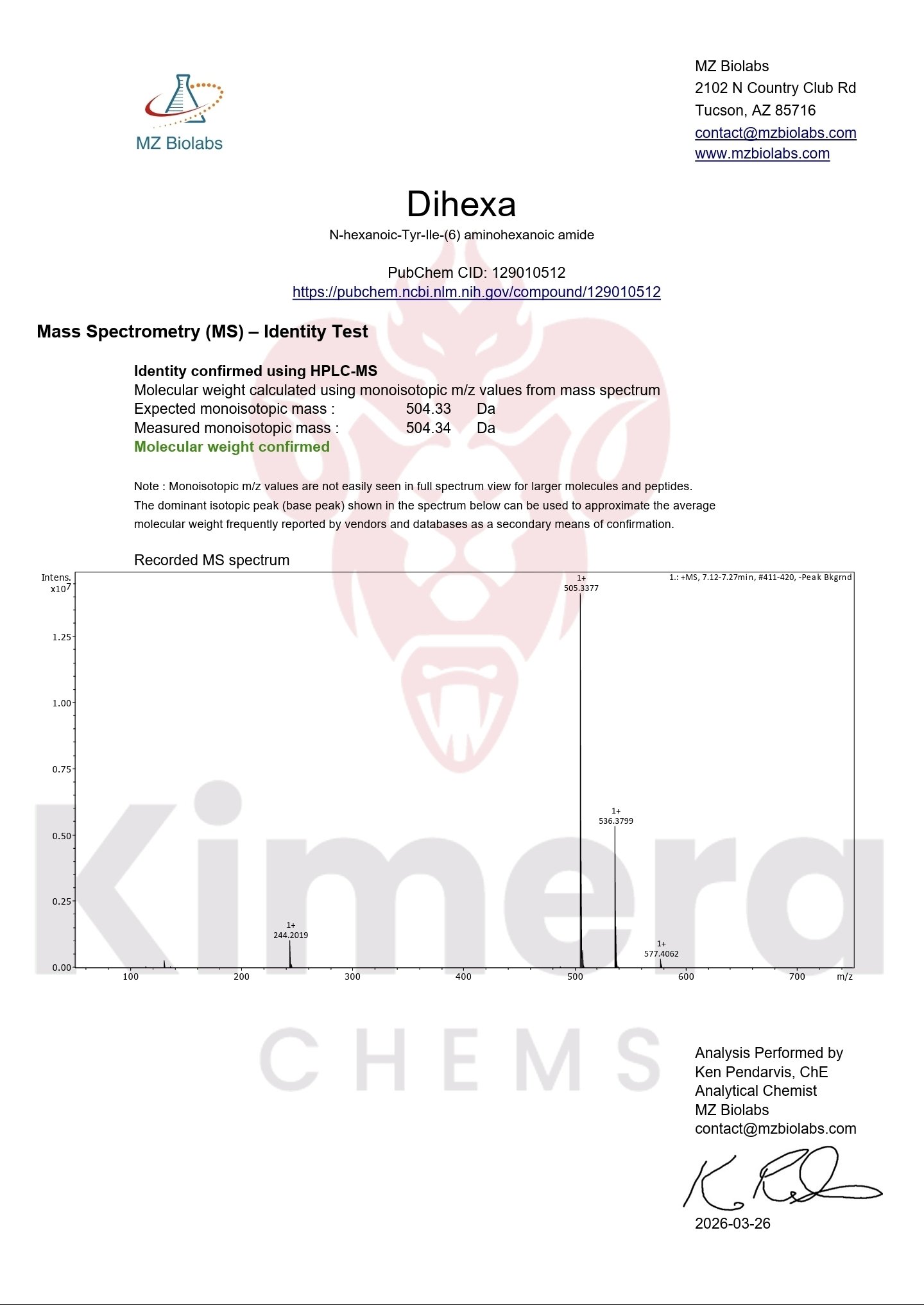
| Other Names | L-Isoleucinamide, N-(1-oxohexyl)-L-tyrosyl-N-(6-amino-6-oxohexyl)-; 9WYX65A5C2; N-hexanoic-Tyr-Ile-(6) aminohexanoic amide; PNB-0408 |
| IUPAC Name | (2S,3S)-N-(6-amino-6-oxohexyl)-2-[[(2S)-2-(hexanoylamino)-3-(4-hydroxyphenyl)propanoyl]amino]-3-methylpentanamide |
| Molecular Formula | C₂₇H₄₄N₄O₅ |
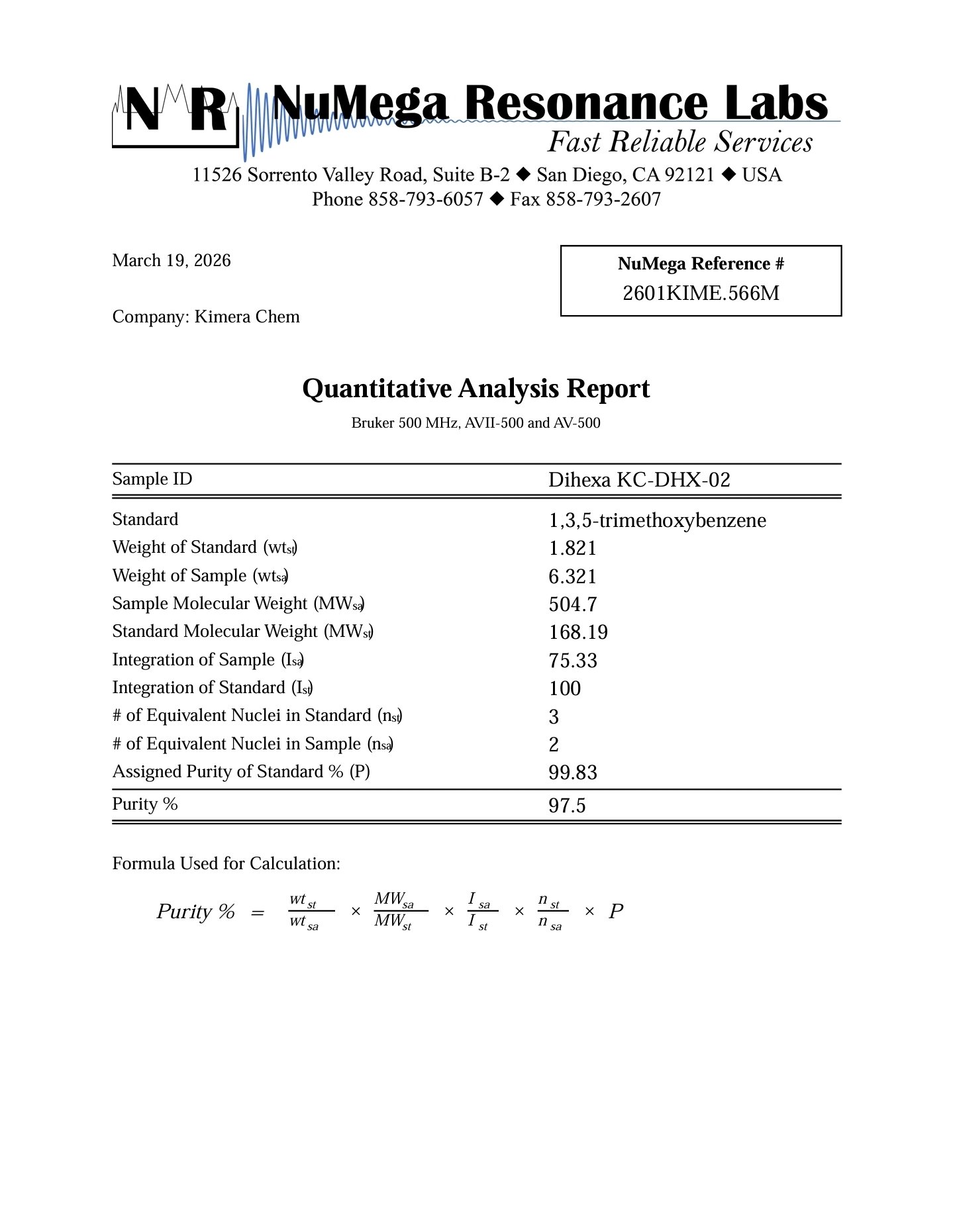
| Molecular Weight | 504.67 |
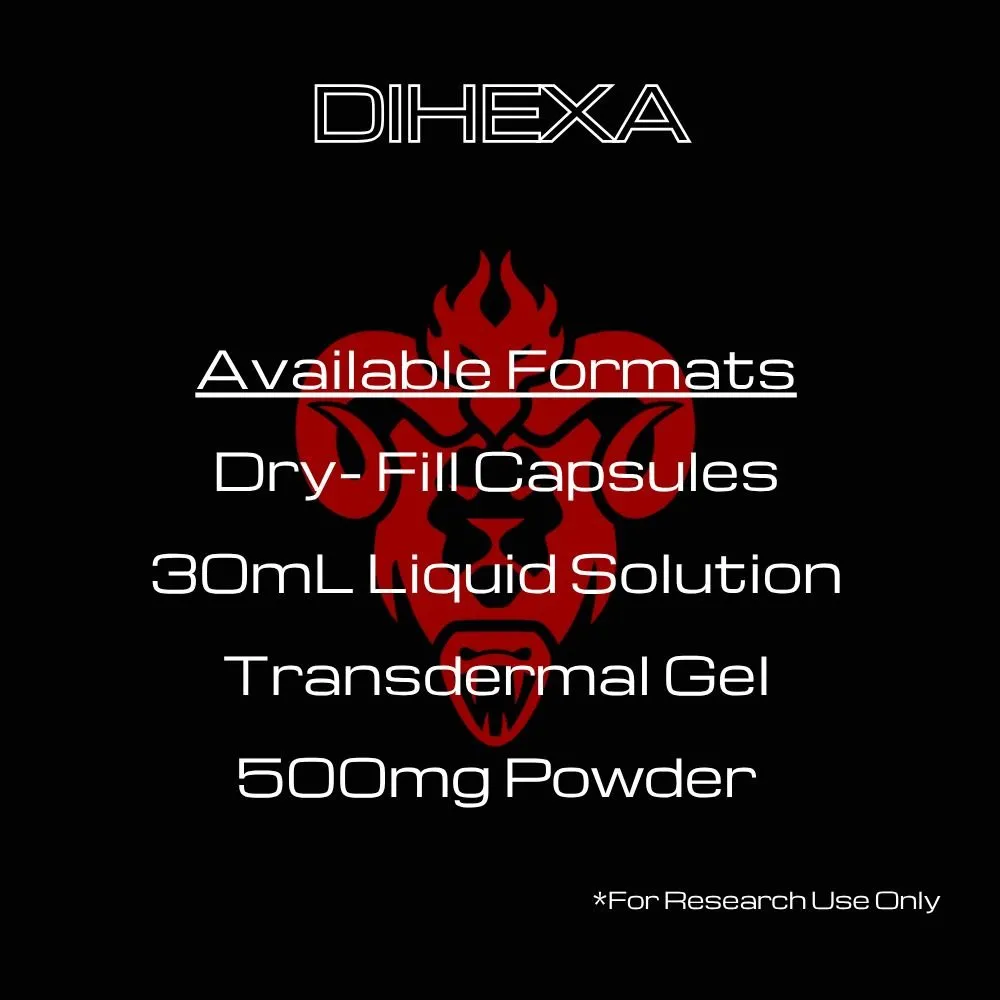
| Dry-Fill Capsule Concentration | 10mg |
| Liquid Concentration And Solution | 20mg |