
OTR-AC (Ostarine O-Acetate) Overview
OTR-AC, also referred to as Ostarine O-Acetate or MK-2866 O-Acetate, is an acetate ester derivative of MK-2866 (Ostarine / Enobosarm). Ester modification at the 2-hydroxy position of the parent MK-2866 scaffold yields a structurally distinct compound from MK-2866 free base, with altered lipophilicity, hydrolytic behavior, and metabolic profile.
In laboratory research, OTR-AC is referenced in the broader context of ester-modified arylpropionamide SARM investigations, including studies of androgen receptor (AR) ligand pharmacology, ester hydrolysis kinetics, and structure-activity relationships relative to non-esterified Ostarine.
OTR-AC is not approved for human or veterinary use and is supplied strictly for laboratory and analytical research purposes.
Mechanism of Action (Research Context)
OTR-AC is structurally an acetate ester derivative of Ostarine (MK-2866). In experimental systems, ester compounds of this class are commonly studied as prodrug-like analogs that may undergo enzymatic hydrolysis to yield the corresponding parent hydroxyl compound. Receptor activity in research models is therefore attributable primarily to the hydrolyzed parent compound rather than to a distinct receptor mechanism of the ester itself.
The acetate ester is investigated primarily for its pharmacokinetic and metabolic differences relative to MK-2866, including:
- Increased lipophilicity and altered partition coefficient relative to the parent hydroxyl compound
- Modified hydrolytic and esterase-mediated metabolic conversion behavior
- Comparative analytical and mass-spectrometric characterization alongside the parent compound
The compound is not characterized by a fundamentally different androgen receptor binding mechanism compared with MK-2866 once hydrolyzed; rather, the ester modification itself is the primary research interest.
Chemical Structure & Identification
- Chemical Name: (2S)-2-(Acetyloxy)-3-(4-cyanophenoxy)-N-[4-cyano-3-(trifluoromethyl)phenyl]-2-methylpropanamide
- Synonyms: OTR-AC; MK-2866 O-Acetate; Ostarine O-Acetate; Ostarinyl Acetate
- Chemical Class: Nonsteroidal arylpropionamide SARM — acetate ester derivative
- CAS Number: 1025658-44-9
- Molecular Formula: C₂₁H₁₆F₃N₃O₄
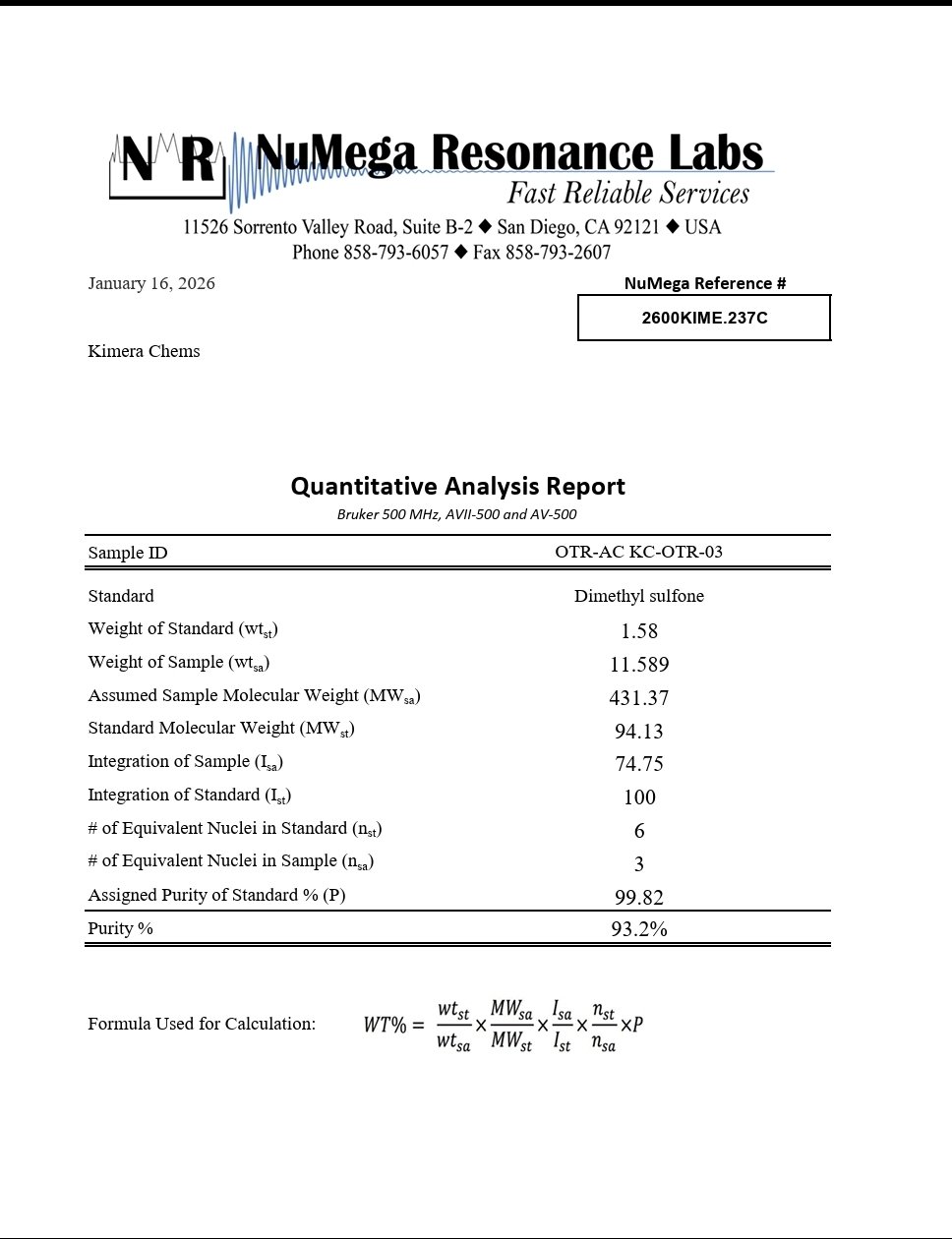
- Molecular Weight (average): 431.37 g/mol
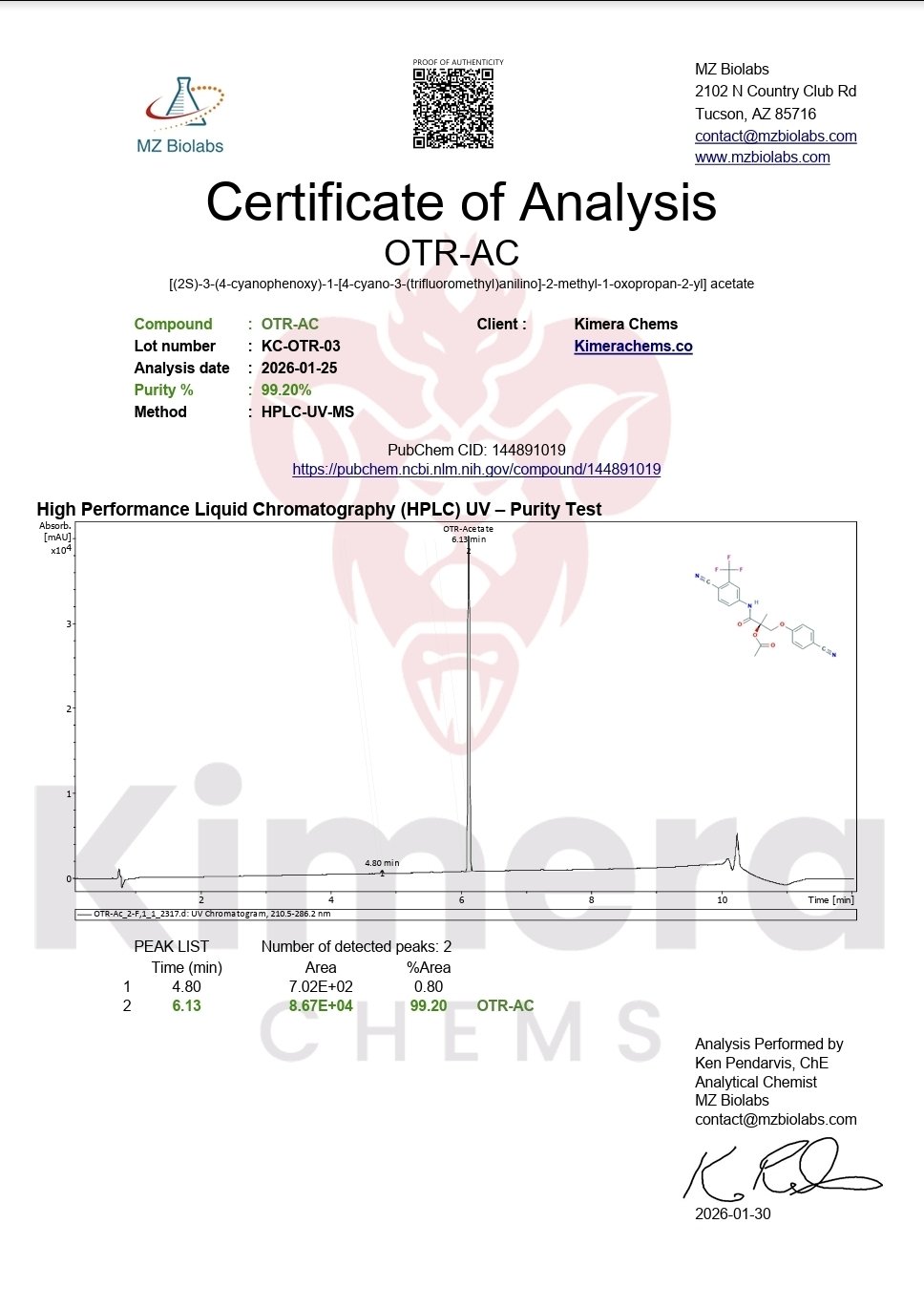
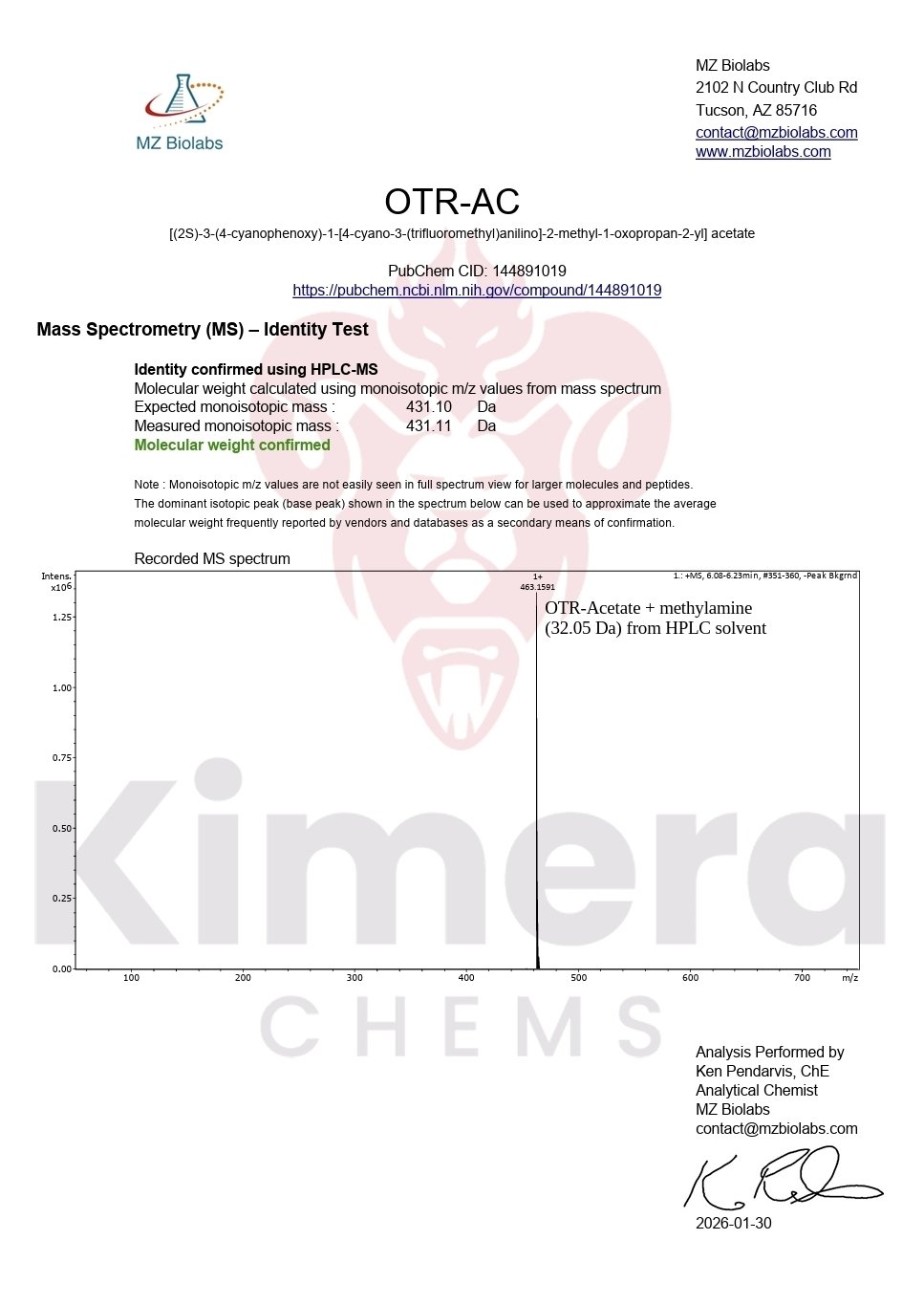
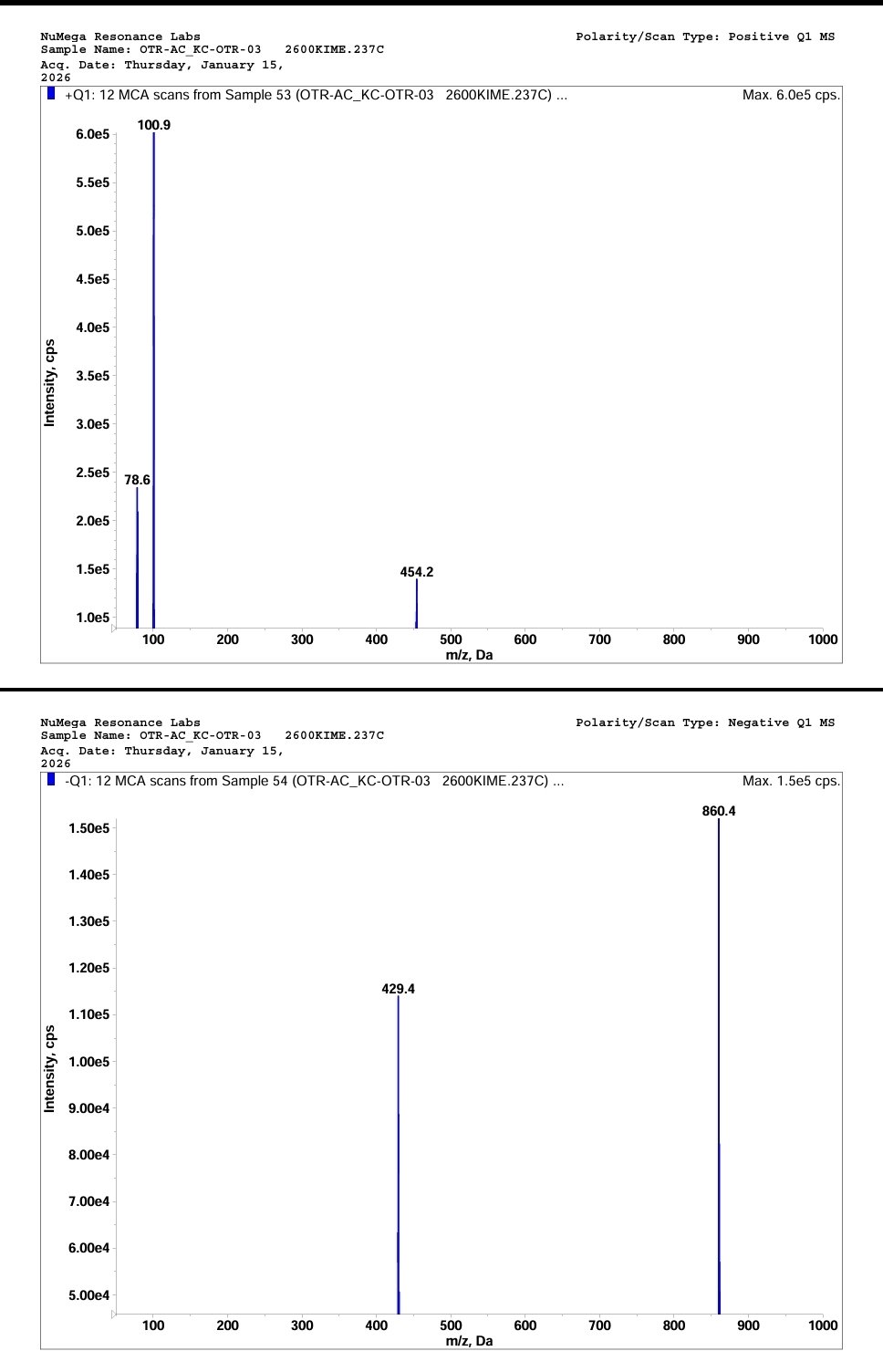
- Exact Mass (monoisotopic): 431.108 g/mol (experimentally confirmed by mass spectrometry)
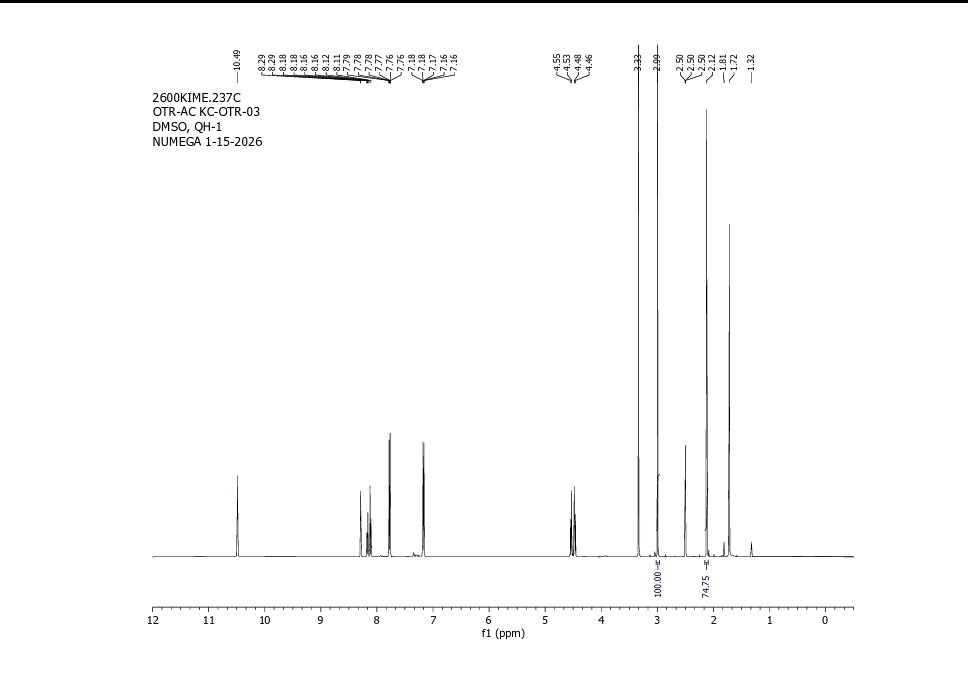
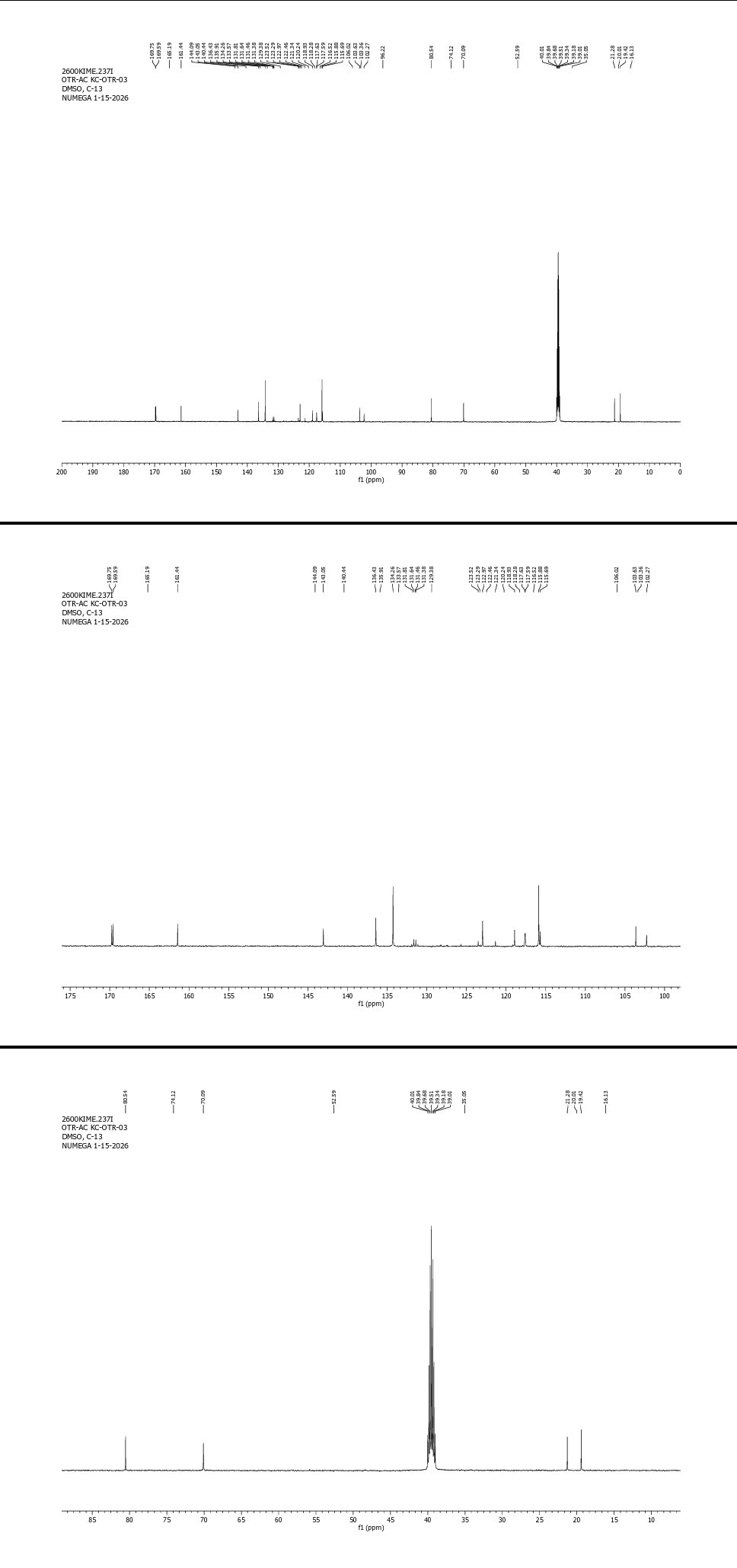
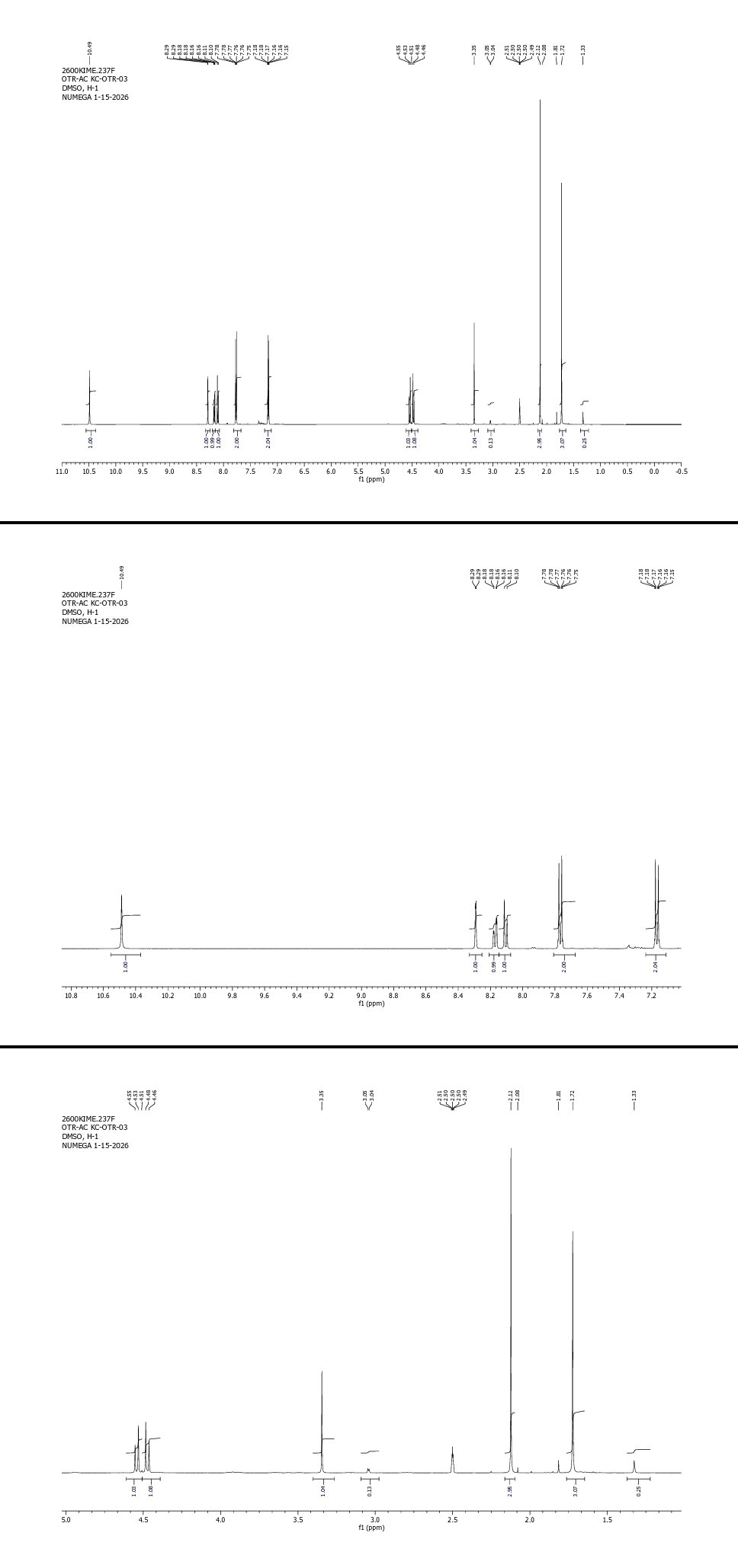
Structural Description: OTR-AC retains the arylpropionamide scaffold of MK-2866 — a 4-cyanophenoxy ether, chiral (S)-configured central propanamide, and N-aryl arm bearing 4-cyano and 3-trifluoromethyl substituents — with acetylation at the central 2-hydroxy position to yield the corresponding acetate ester. The molecular formula is consistent with the addition of an acetyl group (+C₂H₂O) to the parent MK-2866 hydroxyl, increasing molecular weight from 389.33 (parent) to 431.37 g/mol (ester). Identity at the molecular formula level has been verified by mass spectrometry against the calculated monoisotopic mass of 431.108 Da.
Note on chemistry verification: Researchers using OTR-AC for analytical reference or quantitative work should confirm identity by mass spectrometry against the molecular ion at m/z 431.1 (protonated species [M+H]⁺ ≈ 432.1), with characteristic loss of the acetyl group (loss of 42 Da) yielding the parent MK-2866 fragment at m/z 389.3. Some research-chemical-market suppliers have circulated incorrect IUPAC structural assignments for this compound; verification by mass spectrometry against the cited fragmentation pattern provides direct confirmation of the acetylated arylpropionamide identity supplied by Kimera Chems.
Physical and Chemical Properties
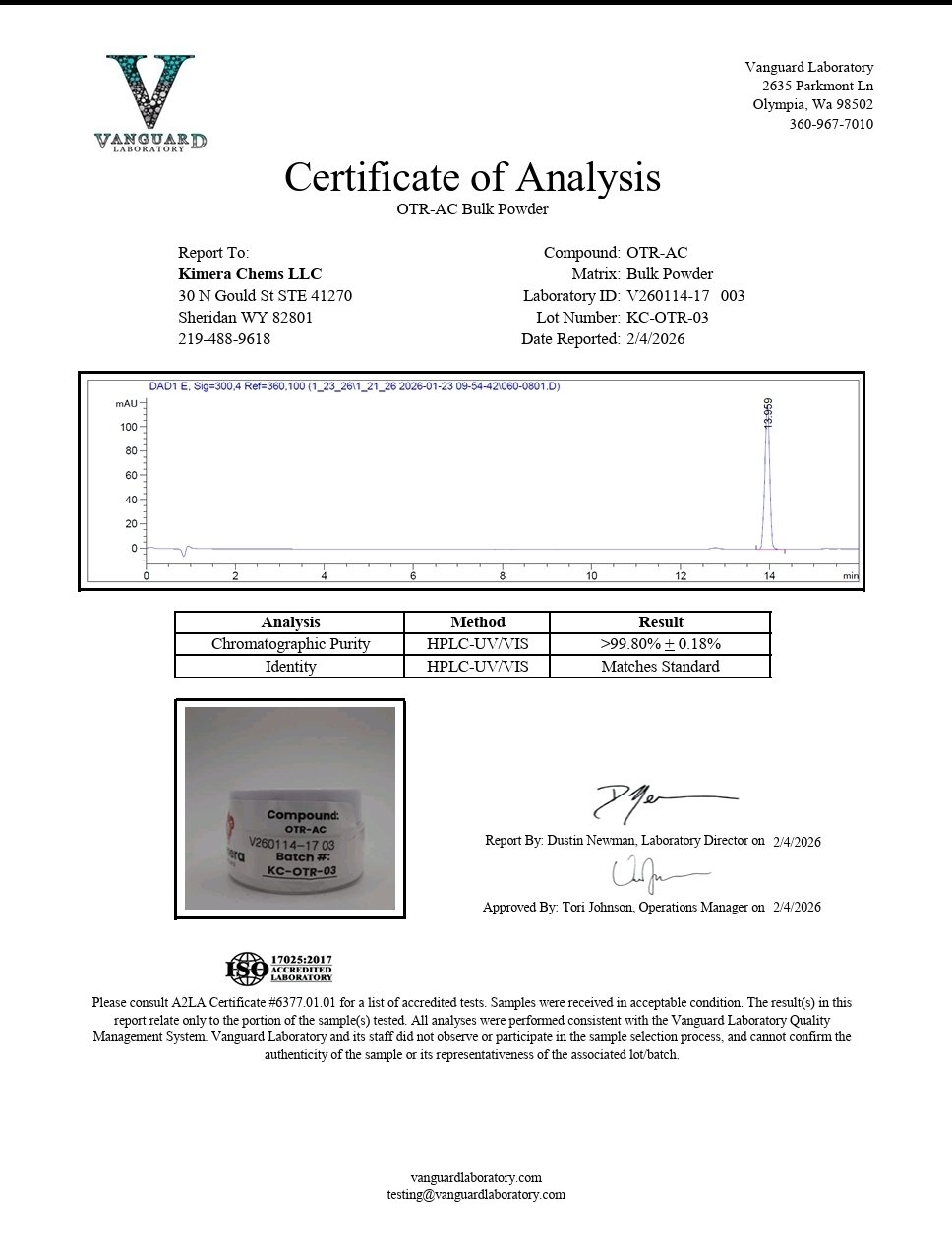
- Appearance: White to off-white solid powder
- Solubility: Increased lipophilicity relative to MK-2866 free base; soluble in DMSO and similar organic solvents; poorly soluble in water
- Stability: Stable under dry, cool, light-protected storage conditions; susceptible to ester hydrolysis under aqueous or basic conditions
- Recommended storage: -20 °C for long-term stability, protected from light and moisture
Research Focus Areas
OTR-AC is commonly referenced in laboratory research involving:
- Androgen receptor binding and signaling pathway studies in the context of ester-modified SARM pharmacology
- Comparative pharmacokinetic and metabolic studies between MK-2866 and its acetate ester derivative
- Ester hydrolysis kinetics in plasma, hepatic, and intestinal esterase-containing systems
- Structure-activity relationship (SAR) analysis within the arylpropionamide SARM class
- Analytical method development and chromatographic separation of parent and metabolite species
- Forensic toxicology and metabolite identification research, with relevance to anti-doping analytical chemistry
Research Background & Regulatory Context
As an acetate ester derivative of MK-2866, OTR-AC would yield Ostarine (enobosarm) upon hydrolysis. The parent compound MK-2866 is included on the World Anti-Doping Agency (WADA) Prohibited List under the anabolic agents category, and ester precursors that hydrolyze to listed substances are treated equivalently under WADA’s prohibited substance framework. The U.S. Food and Drug Administration has issued multiple public consumer advisories naming Ostarine and arylpropionamide-class SARM derivatives in the context of unapproved bodybuilding and dietary supplement products. This published regulatory and analytical record reinforces that OTR-AC is supplied strictly as a research reagent for laboratory and analytical use, not for any therapeutic, performance, dietary supplement, or other consumer application.
Research Use Disclaimer
OTR-AC (Ostarine O-Acetate) is intended strictly for laboratory research use only (RUO). Not for human consumption, clinical use, veterinary use, therapeutic application, dietary supplement use, or diagnostic purposes. All handling and use must comply with applicable federal, state, and local laws and institutional laboratory safety standards.
Summary
OTR-AC (Ostarine O-Acetate) is a structurally defined acetate ester derivative of MK-2866 (Ostarine / enobosarm) with research utility in arylpropionamide SARM pharmacology, ester hydrolysis kinetics, and comparative metabolic and analytical studies. Its position as the acetate ester of one of the most extensively characterized SARMs makes it a useful reference compound for laboratory research into ester-modified AR ligand chemistry.
| CAS Number | 1025658-44-9 |
| Other Names | OTR-AC, Ostarinyl Acetate (MK2886 acetate), Ostarine acetate (MK2886 acetate), Ostarine acetate ester (MK2886 acetate ester), Ostarine acetic acid ester (MK2886 Acetic acid ester) |
| IUPAC Name | 5-(1H-pyrazol-5-yl)-1-[2-[4-(trifluoromethoxy)phenoxy]ethyl]indole-2-carboxylic acid |
| Molecular Formula | C₂₁H₁₆F₃N₃O₄ |
| Molecular Weight | 431.37 |
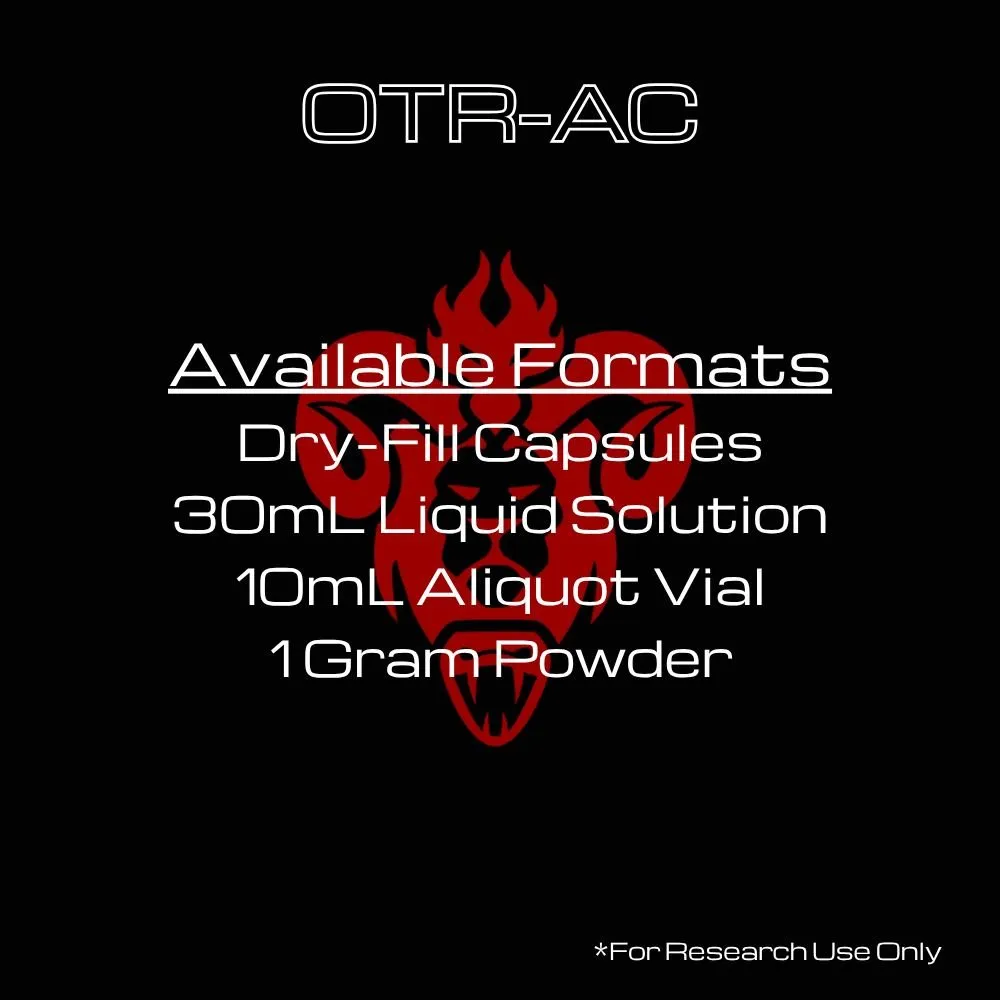
| Dry-Fill Capsule Concentration | 10mg |
| Liquid Concentration And Solution | 20mg/ml (PEG400, DMSO) |
| Aliquot Concentration And Solution | 50mg/ml (Propylene Glycol, PEG400, Benzyl Benzoate, Benzyl Alcohol) |