
CE-123 Article
CE-123: Next-Generation Selective Dopamine Transporter Inhibitor
CE-123, chemically known as 5-((benzhydrylsulfinyl)methyl)thiazole, is a novel synthetic analog of modafinil engineered for significantly enhanced selectivity and affinity at the dopamine transporter (DAT). Developed through strategic substitution of modafinil’s carboxamide group with a thiazole heterocycle, CE-123 represents a meaningful structural departure from its parent compound — one that translates directly into a cleaner pharmacological profile for dopamine-focused research.
Unlike modafinil, which exhibits broad activity across dopamine, norepinephrine, and serotonin transporters, CE-123 demonstrates potent and selective inhibition of DAT with negligible effects on the serotonin transporter (SERT) and norepinephrine transporter (NET). This selectivity positions it as a valuable tool compound for researchers investigating isolated dopaminergic contributions to cognition, motivation, and executive function without the confounding variables introduced by multi-transporter agents.
CE-123 exists as a racemic mixture of S and R enantiomers. The published literature has evaluated both the racemate (rac-CE-123) and the isolated (S)-enantiomer, with the racemate demonstrating robust activity across multiple cognitive and behavioral paradigms in its own right.
Mechanism of Action
CE-123 functions as an atypical dopamine reuptake inhibitor. It binds to DAT and blocks the reuptake of dopamine from the synaptic cleft back into the presynaptic neuron, elevating extracellular dopamine concentrations in mesocorticolimbic pathways including the prefrontal cortex and nucleus accumbens.
Critically, CE-123 is not a DAT substrate. Unlike amphetamine-class compounds that hijack the transporter to reverse dopamine flow (efflux), CE-123 interacts with the outward-facing conformation of DAT to block substrate access without triggering vesicular release. This non-substrate, non-releasing mechanism is associated with lower abuse liability and a more controlled elevation of dopamine signaling — characteristics that define the “atypical” DAT inhibitor class.
In vitro reuptake inhibition assays show an IC50 of 4.606 uM for [3H]dopamine uptake in HEK293 cells expressing human DAT, with negligible inhibitory activity at SERT and NET. Molecular docking studies confirm that CE-123’s binding site overlaps with the substrate-binding pocket of DAT — the same region occupied by cocaine, modafinil, and benztropine analogs — but its non-substrate profile produces a fundamentally different downstream effect.
Blood-Brain Barrier Penetration
CE-123 penetrates the blood-brain barrier and reaches its site of action in the brain within approximately 30 minutes of systemic administration in rodent models. Pharmacokinetic studies using the racemate confirmed good bioavailability, with effective concentrations achieved at doses as low as 1 mg/kg based on observed behavioral effects.
Neuropharmacokinetic comparisons between the isolated S-enantiomer and R-modafinil have demonstrated that CE-123-derived compounds achieve significantly higher unbound brain-to-plasma ratios than modafinil, with preferential localization in the brain interstitial space — the target compartment where dopamine transporters reside. CE-123 does undergo hepatic metabolism faster than modafinil, an important consideration for in vivo study design and dosing frequency.
Preclinical Research Applications
CE-123 has been evaluated across a broad range of cognitive and behavioral paradigms in rodent models, with results spanning multiple independent research groups. Studies cited below include work with both the racemate and the isolated S-enantiomer.
Cognitive flexibility: In attentional set-shifting task (ASST) paradigms, acute CE-123 administration at 0.3 and 1.0 mg/kg significantly improved extradimensional set-shifting performance in healthy male rats without affecting other discrimination stages. This enhancement occurred without increasing impulsive responding — a side effect commonly associated with higher doses of modafinil and traditional psychostimulants.
Memory acquisition and retrieval: Racemic CE-123 enhanced both reference memory acquisition and retrieval in spatial hole-board tasks in Sprague-Dawley rats. Working memory improvements were also observed in radial arm maze testing, with increased reference memory indices and reduced latency following daily administration.
Motivation and effort-based decision-making: CE-123 partially reversed the effort-related behavioral effects induced by tetrabenazine (a vesicular monoamine transport blocker that depletes dopamine) and increased progressive ratio responding. In aged rats (26 months), subchronic treatment markedly enhanced motivation, resulting in superior performance in new-to-learn operant discrimination tasks and cooperation assays of social cognition.
Social memory consolidation: Both racemic CE-123 and the S-enantiomer protected the consolidation of long-term social recognition memory against retroactive interference in mice. In vivo microdialysis confirmed that racemic CE-123 at 10 mg/kg produced a moderate, transient increase in nucleus accumbens dopamine concentrations, while higher doses (100 mg/kg) produced sustained elevation throughout the sampling period.
Fetal alcohol spectrum disorder (FASD) models: CE-123 at 3 and 10 mg/kg attenuated locomotor hyperactivity and improved reversal learning in rats exposed to alcohol during the neonatal period. Chronic treatment also improved social recognition memory and normalized hippocampal BDNF and TrkB expression in ethanol-exposed animals, suggesting neuroplasticity-related mechanisms beyond direct DAT inhibition.
Neurophysiological effects: In vivo single-unit recordings demonstrated that CE-123 dose-dependently reduced firing of pyramidal neurons in the infralimbic/prelimbic cortex — an effect potentially related to enhanced dopaminergic tone in prefrontal circuits. Neither CE-123 nor R-modafinil altered the firing activity of ventral tegmental area dopamine neurons.
Abuse liability profile: Microdialysis studies in the nucleus accumbens shell (a key region for reward processing and addiction) showed that CE-123 does not produce sustained dopamine elevation at behaviorally relevant doses, in contrast to typical psychostimulants. This low stimulation of mesolimbic dopamine transmission is consistent with a reduced abuse potential.
Proteomic Insights
Post-treatment proteomic analysis of prefrontal cortex synaptosomes in aged rats revealed that CE-123 modulated pathways involved in synaptic vesicle recycling, receptor-mediated endocytosis, and alpha-synuclein membrane localization. These findings suggest downstream effects on synaptic plasticity and neurotransmitter cycling beyond the direct blockade of DAT.
Product Details
- Chemical Name: 5-((Benzhydrylsulfinyl)methyl)thiazole
- Synonyms: CE-123, CE123, rac-CE-123
- CAS Number: 1879038-73-9
- Molecular Formula: C17H15NOS2
- Molecular Weight: 313.43 g/mol
- Form: Racemic mixture
- Appearance: White powder
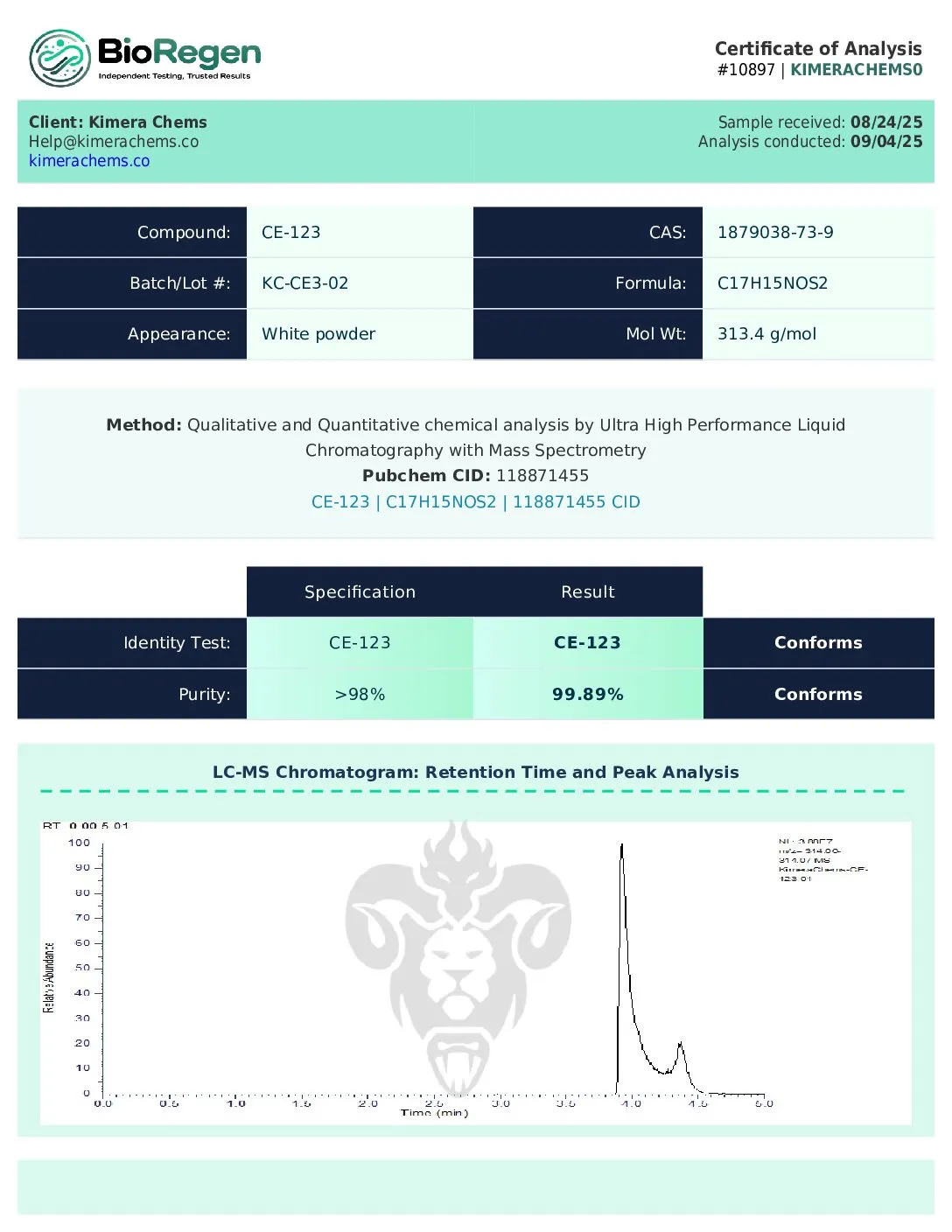
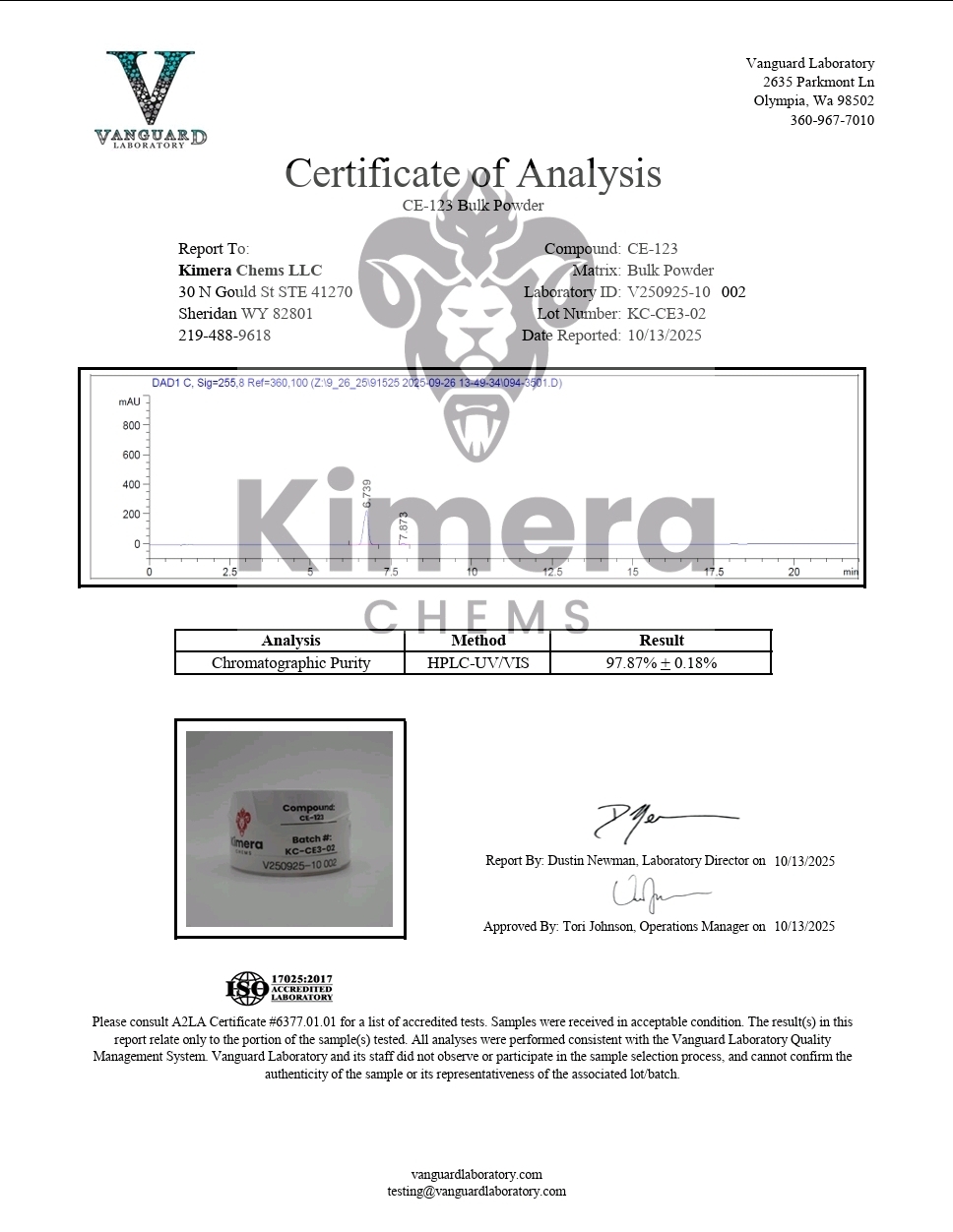
- Purity: ≥98% (verified by HPLC)
- Storage: Store at -20C in a dry, dark environment. Protect from moisture and prolonged light exposure.
Why Kimera Chems?
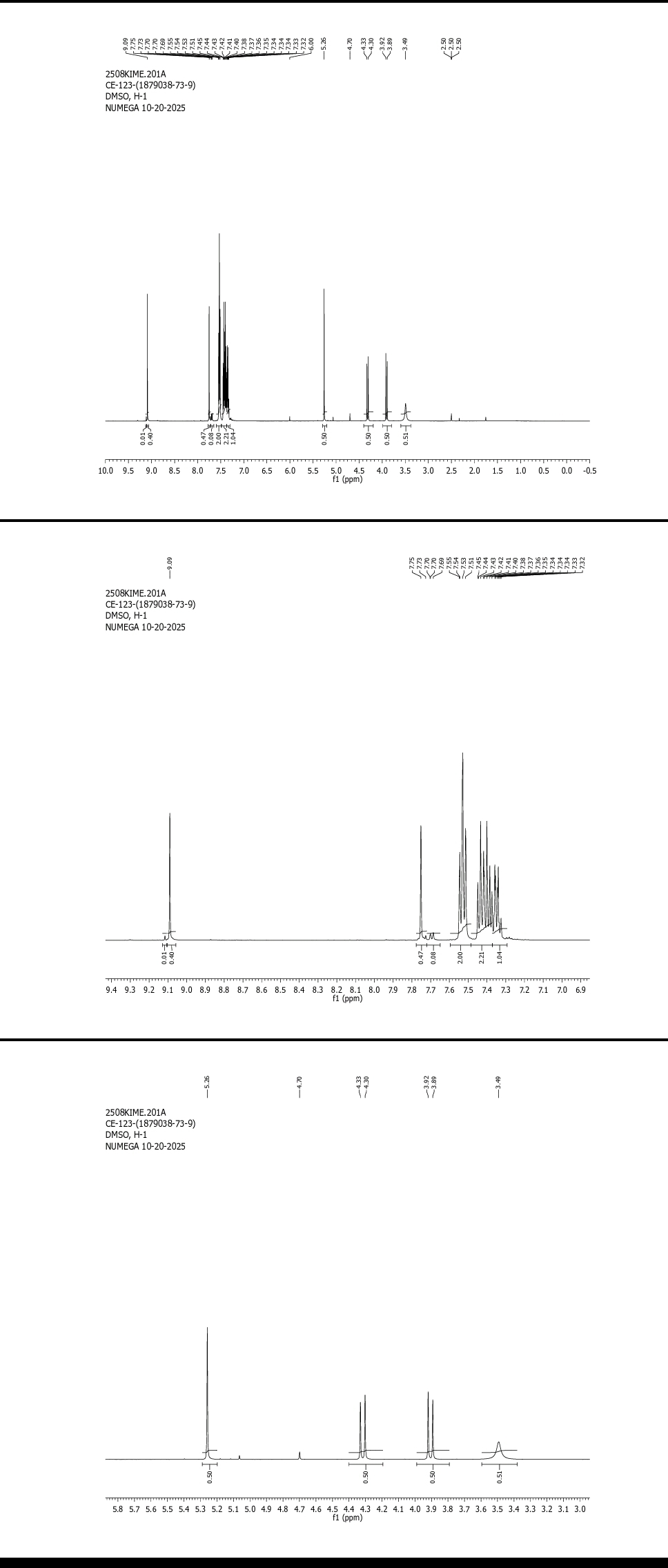
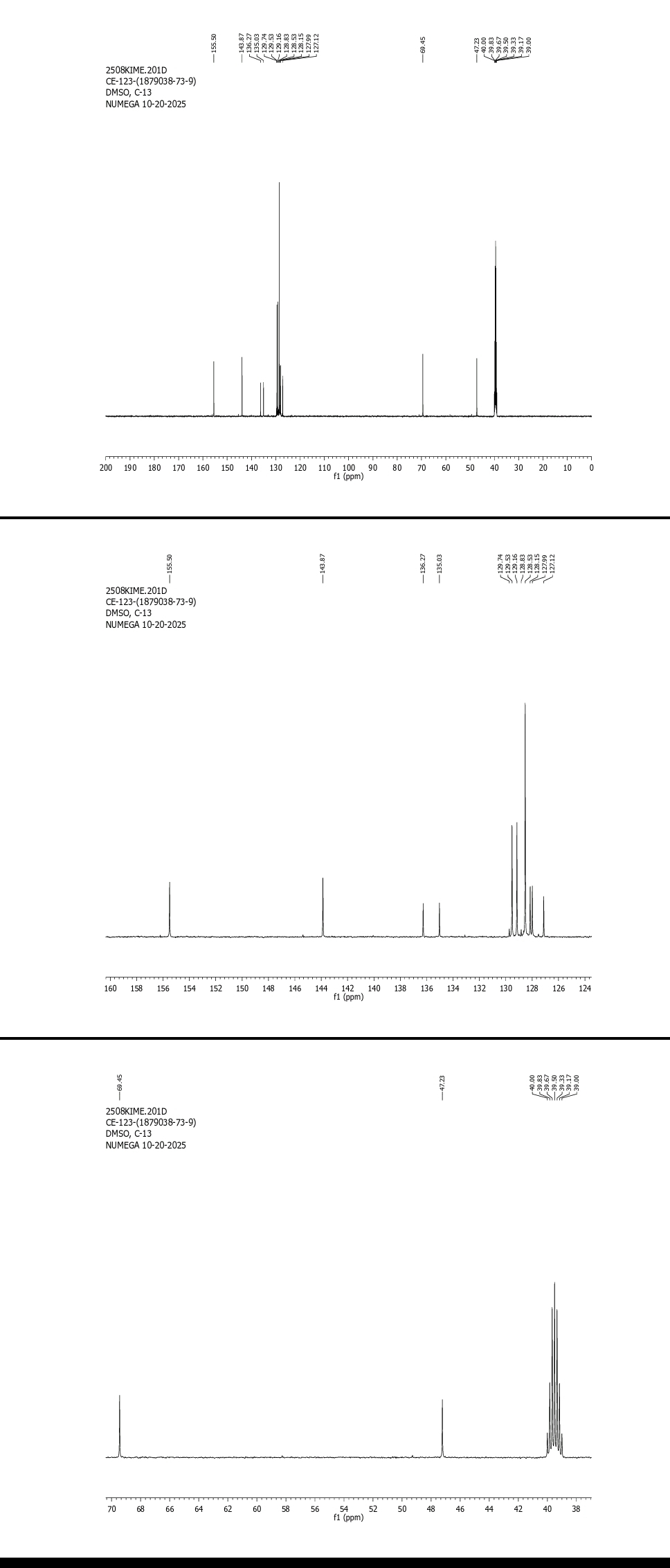
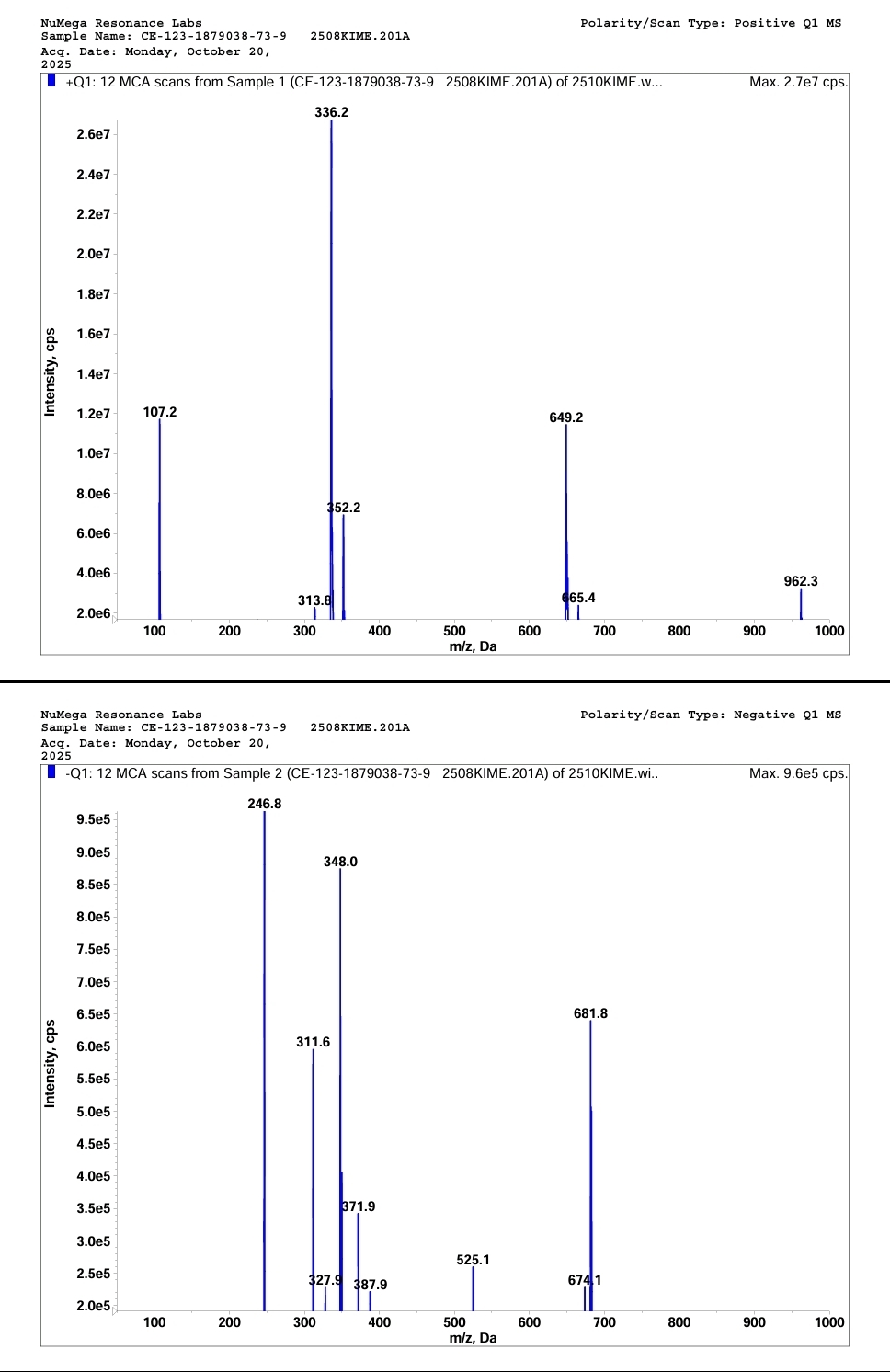
Every batch of CE-123 sold by Kimera Chems is verified through independent third-party certificate of analysis (COA) testing via MZ Biolabs, Freedom Diagnostics, and NuMega Resonance Labs. We do not rely on manufacturer-supplied COAs alone. Our multi-lab verification pipeline ensures identity confirmation, purity validation, and batch consistency across our entire catalog of 180+ research compounds.
This product is sold strictly for research use only (RUO). It is not intended for human consumption, veterinary use, or any therapeutic application.
| CAS Number | 1879038-73-9 |
| Other Names | CE123, CE 123 |
| IUPAC Name | 5-(benzhydrylsulfinylmethyl)-1,3-thiazole |
| Molecular Formula | C₁₇H₁₅NOS₂ |
| Molecular Weight | 313.43 |
| Dry-Fill Capsule Concentration | 50mg |
| Liquid Concentration And Solution | NA |
| Aliquot Concentration And Solution | NA |