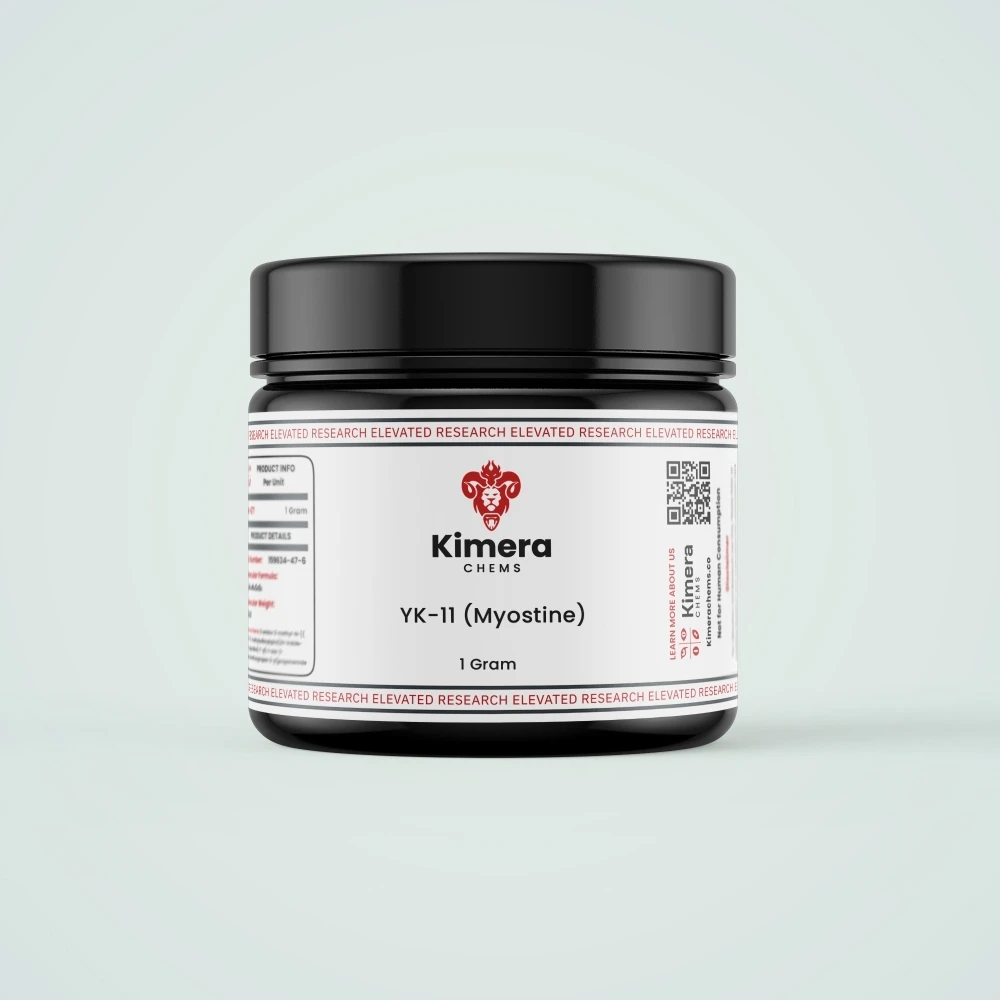
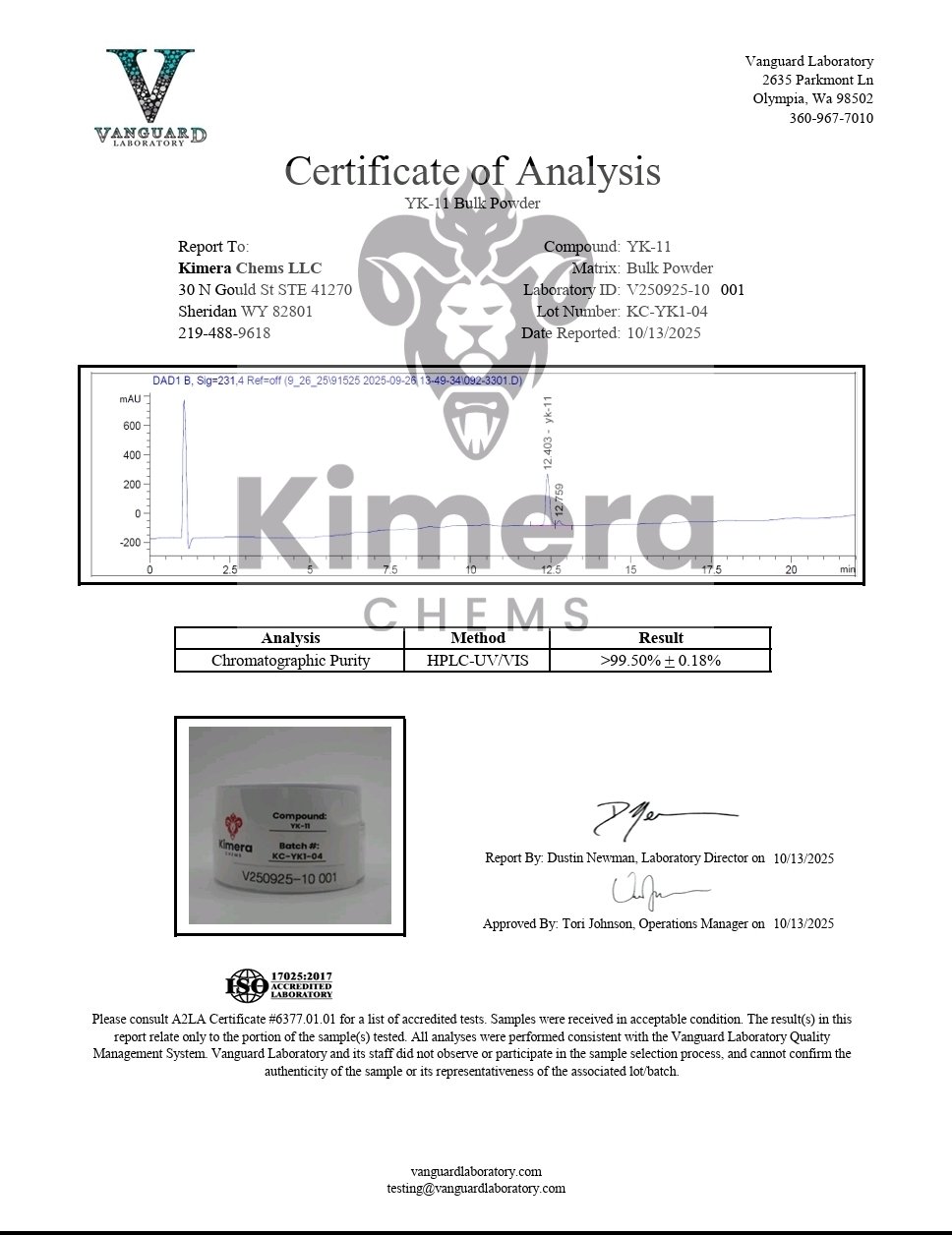
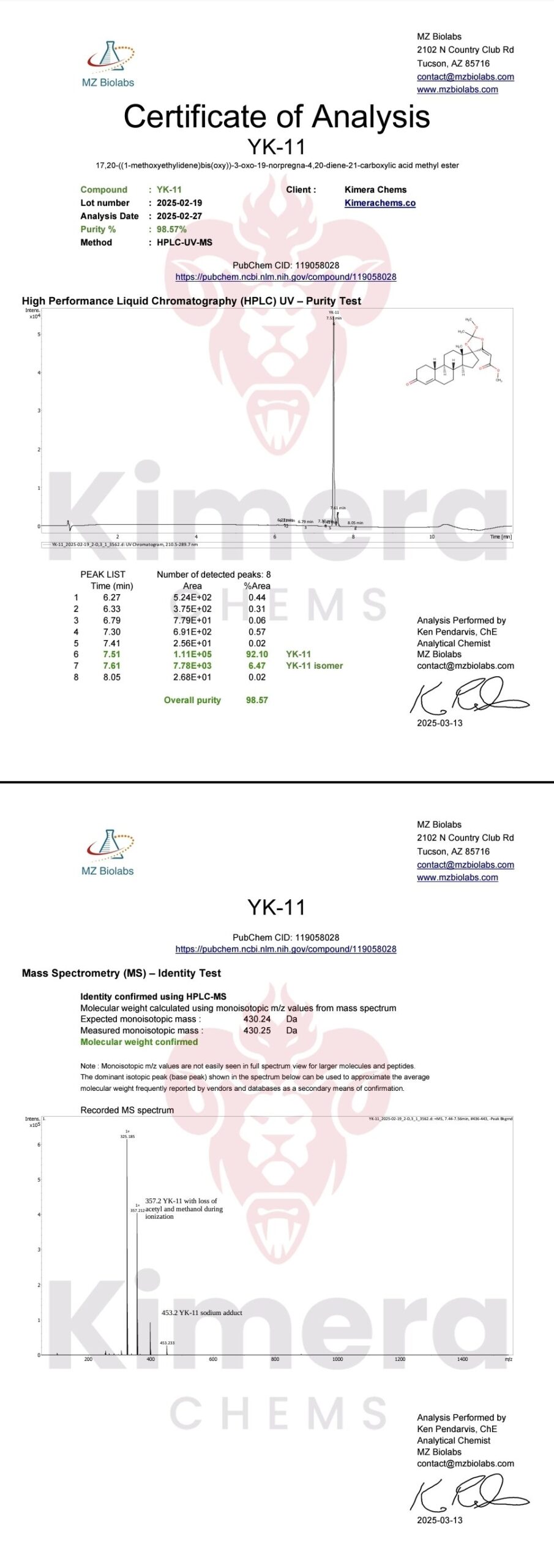
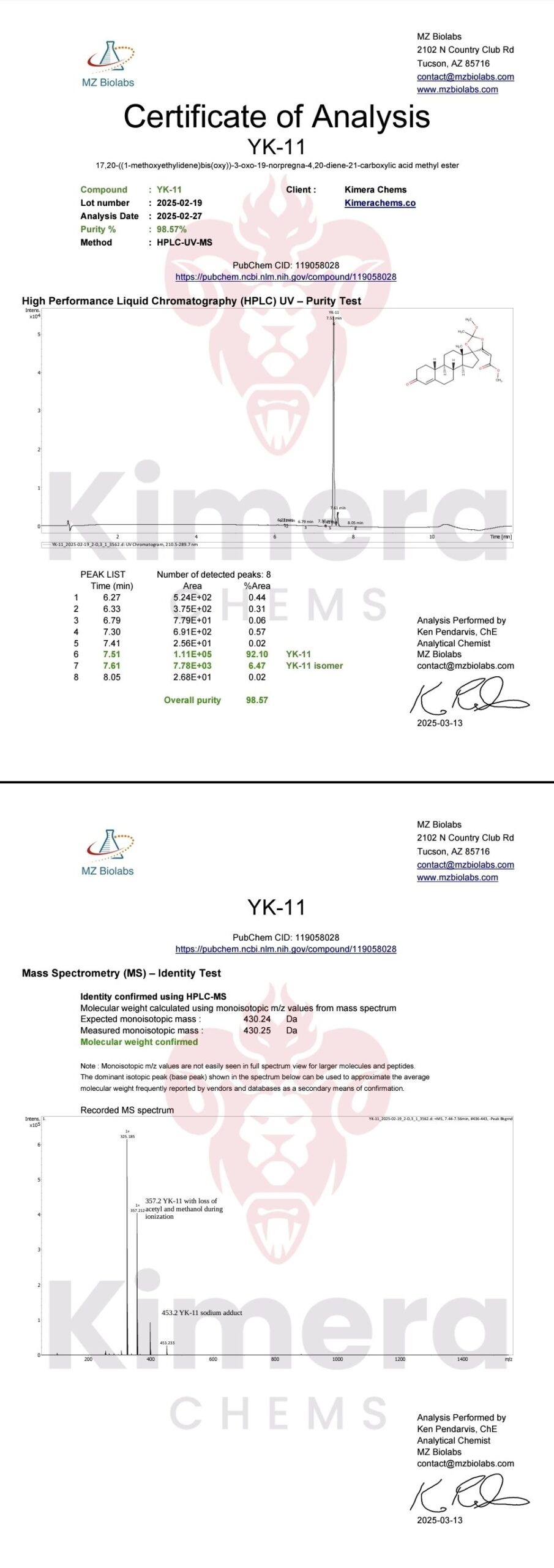

YK-11 (Myostine) Overview
YK-11 is a synthetic steroidal compound that has been characterized in the primary literature as a partial agonist of the androgen receptor (AR). It is structurally a 19-norpregnadiene derivative built on a scaffold related to dihydrotestosterone (DHT) and bearing methyl ester and methoxyethylidene-dioxy modifications at the C-17 and C-20 positions. Although YK-11 is widely marketed and referenced as a “SARM” in the research-chemical market, it is more accurately described as a steroidal AR ligand — structurally distinct from the nonsteroidal SARM classes (arylpropionamides, benzonitriles-oxadiazoles, quinolinones).
YK-11 was first described in the medicinal chemistry literature in 2011 (Kanno et al.), where it was reported to act as a partial AR agonist and to induce expression of follistatin in C2C12 myoblast cultures. Subsequent reports have continued to characterize the AR-binding pharmacology of YK-11, though the broader follistatin / myostatin-pathway findings from the original report have not been robustly replicated across multiple independent research groups and remain an active area of investigation.
YK-11 is not approved for human or veterinary use and has never been the subject of human clinical trials. It is supplied strictly for laboratory and analytical research purposes.
Mechanism of Action (Research Context)
YK-11 binds the androgen receptor ligand-binding domain and acts as a partial agonist. Published in vitro work (Kanno et al., 2011) reported that YK-11 does not induce the N-terminal / C-terminal (N/C) interaction of the AR that is required for full transactivation by classical androgens, producing a distinct transcriptional profile relative to DHT and other steroidal AR agonists. This atypical AR engagement pattern is the primary published mechanistic distinction between YK-11 and conventional steroidal androgens.
Reported in vitro and preclinical characterizations include:
- Partial agonist activity at the androgen receptor with absence of N/C interaction induction
- Differential gene expression profile relative to DHT in AR-expressing reporter and cell models
- Reported effects on follistatin expression in C2C12 myoblast cultures (Kanno et al., 2011 and related subsequent work — replication across independent groups remains limited)
- Steroidal scaffold with characteristic 19-norpregnadiene-derived structure
It is important to note that YK-11 is studied for AR-mediated effects, not as a direct myostatin inhibitor; the reported myostatin-pathway interactions in the published literature are downstream of follistatin induction rather than direct myostatin binding.
Chemical Structure & Identification
- Chemical Name: Methyl (17α,20E)-17,20-[(1-methoxyethylidene)bis(oxy)]-3-oxo-19-norpregna-4,20-diene-21-carboxylate
- Synonyms: YK11; YK 11; Myostine
- Chemical Class: Steroidal androgen receptor ligand — 19-norpregnadiene derivative
- CAS Number: 1370003-76-1
- Molecular Formula: C₂₅H₃₄O₆
- Molecular Weight (average): 430.54 g/mol
- Exact Mass (monoisotopic): 430.236 g/mol
- UNII: Z9748J6B0R
Structural Description: YK-11 is a steroidal small molecule built on a 19-norpregnadiene scaffold structurally related to dihydrotestosterone (DHT) — sharing the A- and B-ring features of the natural androgen — with distinctive modifications at the C- and D-ring positions: a methoxyethylidene-dioxy bridge between C-17 and C-20, an α,β-unsaturated methyl ester at C-21, and a 3-oxo-4-ene system in the A-ring. These modifications underlie YK-11’s atypical partial agonist profile and its inability to induce the AR N/C-terminal interaction characteristic of classical androgens. Structural identification and molecular data are referenced against PubChem and the FDA UNII database.
Physical and Chemical Properties
- Appearance: White to off-white solid or powder
- Solubility: Soluble in DMSO and similar organic solvents; poorly soluble in water
- Stability: Stable under dry, cool, light-protected storage conditions
- Recommended storage: -20 °C for long-term stability
Research Focus Areas
YK-11 is commonly referenced in laboratory research involving:
- Androgen receptor binding, partial agonist receptor pharmacology, and AR ligand-binding domain conformational studies
- Comparative AR ligand pharmacology — steroidal versus nonsteroidal scaffolds (with reference compounds such as MK-2866, LGD-4033, RAD-140)
- AR-mediated transcriptional studies in the absence of N/C interaction induction
- Follistatin / myostatin signaling pathway research in C2C12 myoblast and related cell models (with appropriate recognition of the limited replication base for the original 2011 findings)
- Analytical and reference-standard work, including LC-MS/MS method development referenced in anti-doping analytical literature, where YK-11 is documented as a designer-drug analyte requiring inclusion in screening panels
- Forensic toxicology and metabolite identification research
Research Background & Regulatory Context
YK-11 has been documented in published anti-doping analytical chemistry literature as a designer-drug analyte and is covered under the World Anti-Doping Agency (WADA) framework for anabolic agents. The compound has not been the subject of human clinical trials and has no published clinical pharmacokinetic, safety, or efficacy data. This absence of clinical characterization, combined with the limited independent replication of the original 2011 mechanistic findings, reinforces that YK-11 is supplied strictly as a research reagent for laboratory and analytical use, not for any therapeutic, performance, dietary supplement, or other consumer application.
Research Use Disclaimer
YK-11 (Myostine) is intended strictly for laboratory research use only (RUO). Not for human consumption, clinical use, veterinary use, therapeutic application, dietary supplement use, or diagnostic purposes. All handling and use must comply with applicable federal, state, and local laws and institutional laboratory safety standards.
Summary
YK-11 (Myostine) is a structurally defined steroidal androgen receptor partial agonist of the 19-norpregnadiene class. Its position in the published literature centers on the 2011 Kanno et al. description of atypical AR engagement without N/C interaction induction and reported effects on follistatin expression in myoblast cultures. With limited independent replication of these mechanistic findings, no human clinical trial data, and ongoing presence in anti-doping analytical literature as a designer-drug analyte, YK-11 functions in research contexts as a useful but pharmacologically circumscribed reference compound for comparative AR ligand studies — particularly in contrasting steroidal and nonsteroidal AR pharmacology.
| CAS Number | 1370003-76-1 |
| Other Names | YK11, YK 11, Z9748J6B0R, Z9748J6B0R, UNII-Z9748J6B0R, EX-A727, DTXSID301107018, VEC00376 |
| IUPAC Name | methyl (2E)-2-[(8R,9S,10R,13S,14S,17S)-2′-methoxy-2′,13-dimethyl-3-oxospiro[1,2,6,7,8,9,10,11,12,14,15,16-dodecahydrocyclopenta[a]phenanthrene-17,5′-1,3-dioxolane]-4′-ylidene]acetate |
| Molecular Formula | C₂₅H₃₄O₆ |
| Molecular Weight | 430.5 |
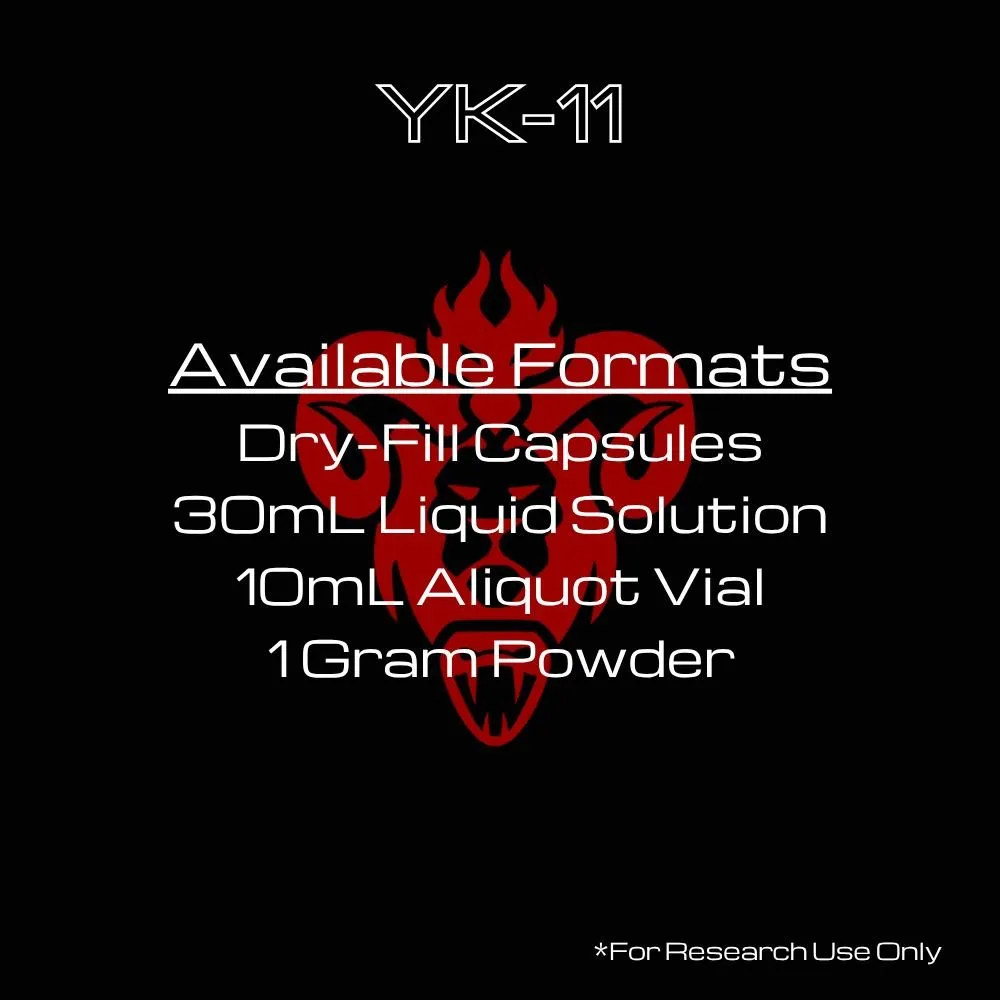
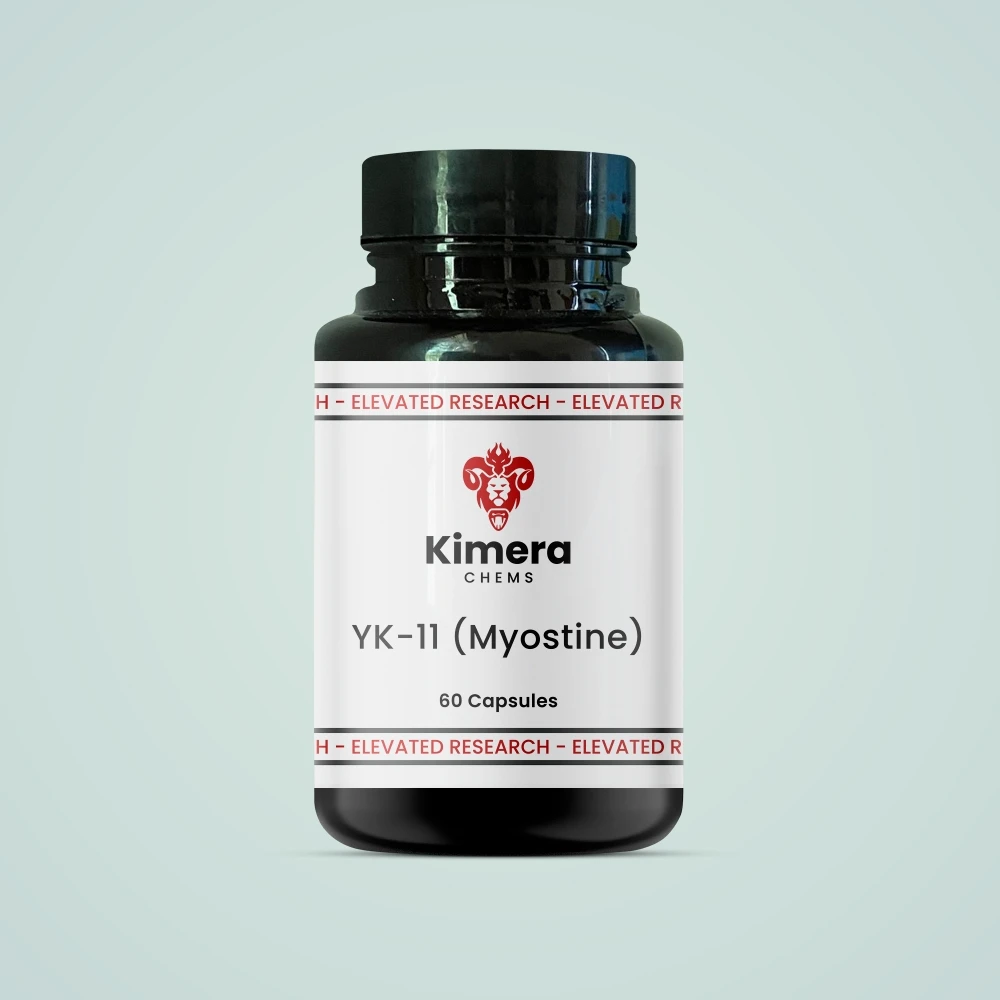
| Dry-Fill Capsule Concentration | 7.5mg |
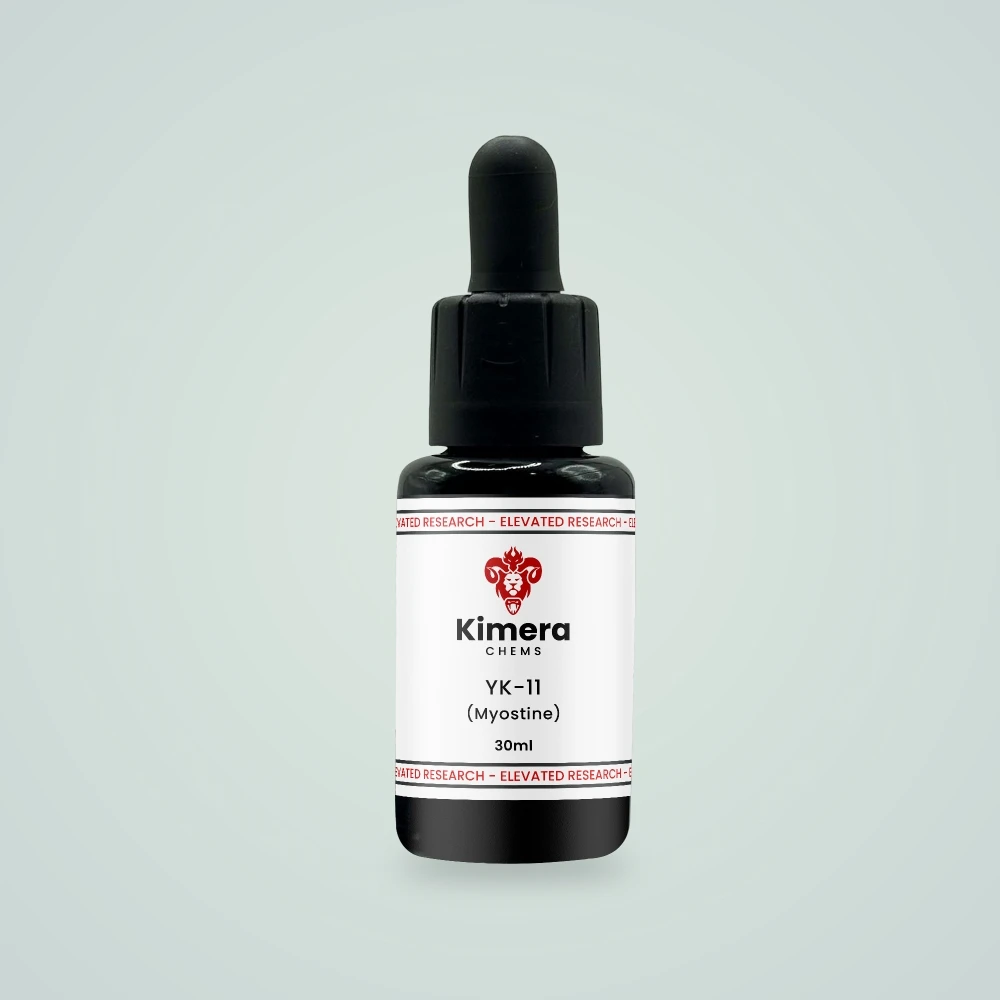
| Liquid Concentration And Solution | 15mg/ml MCT Oil, Benzyl Benzoate |
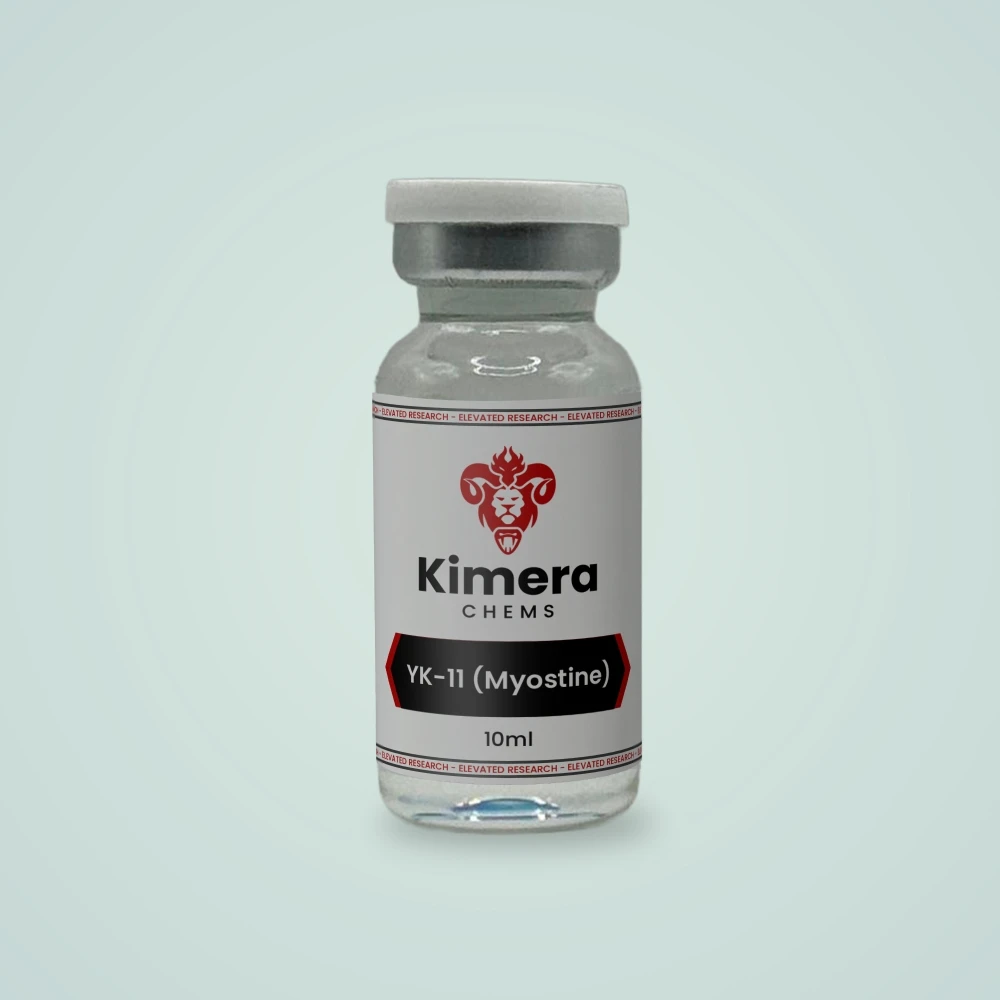
| Aliquot Concentration And Solution | 50mg/ml (MCT Oil, Benzyl Benzoate, Benzyl Alcohol) |