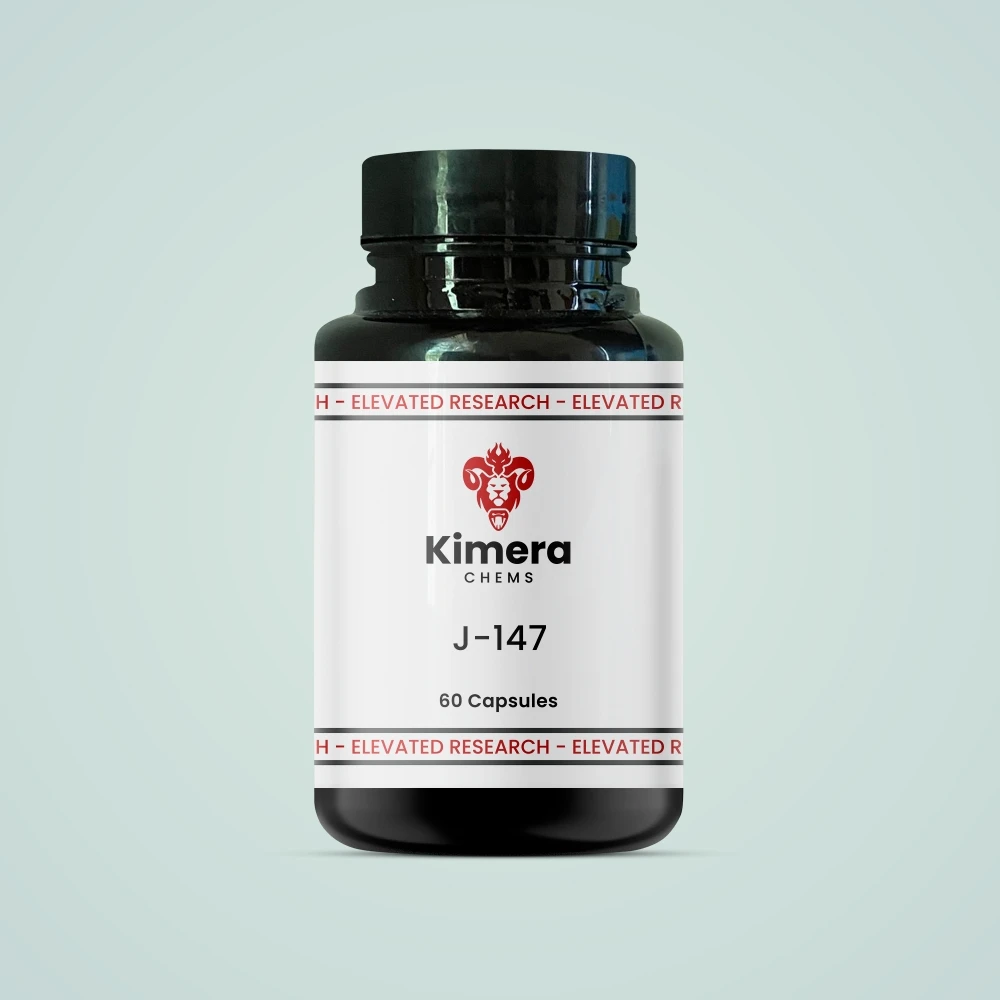
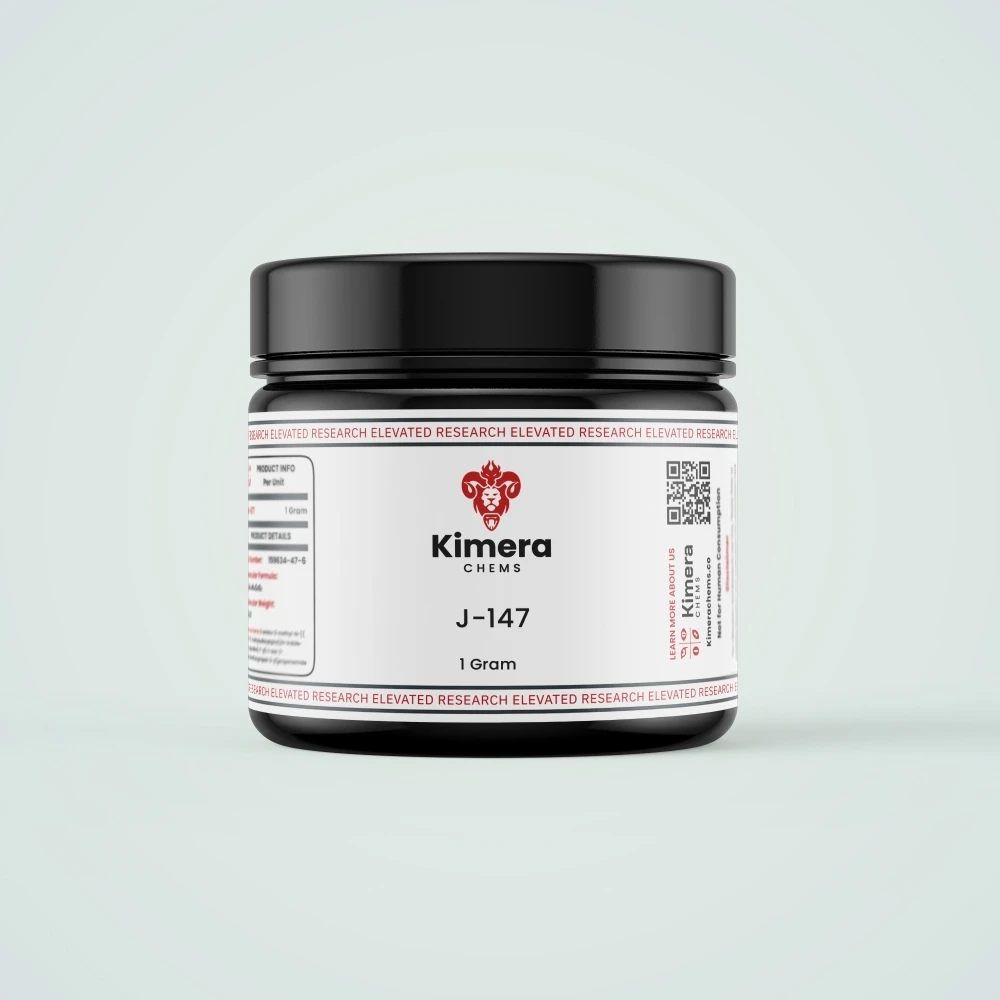
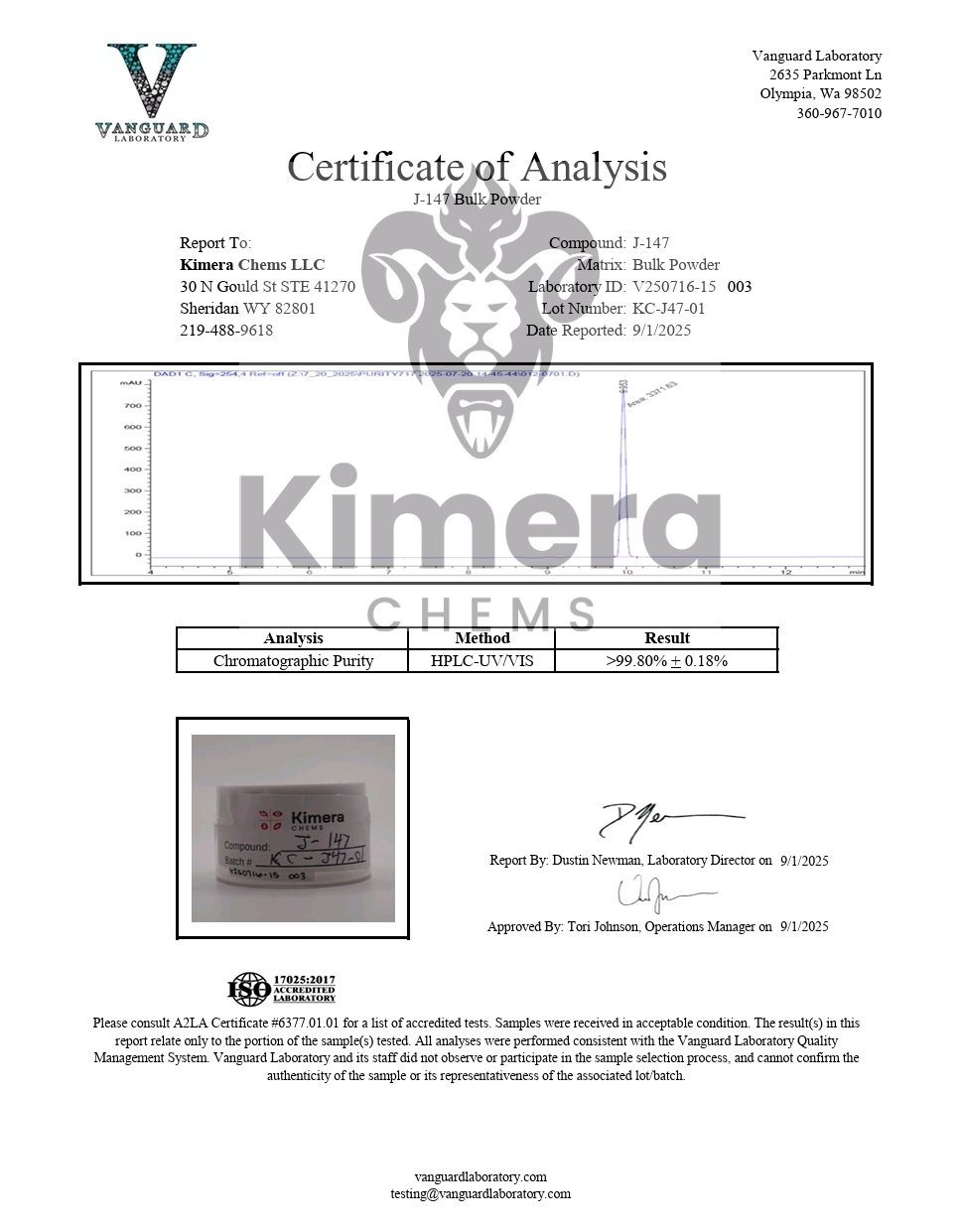
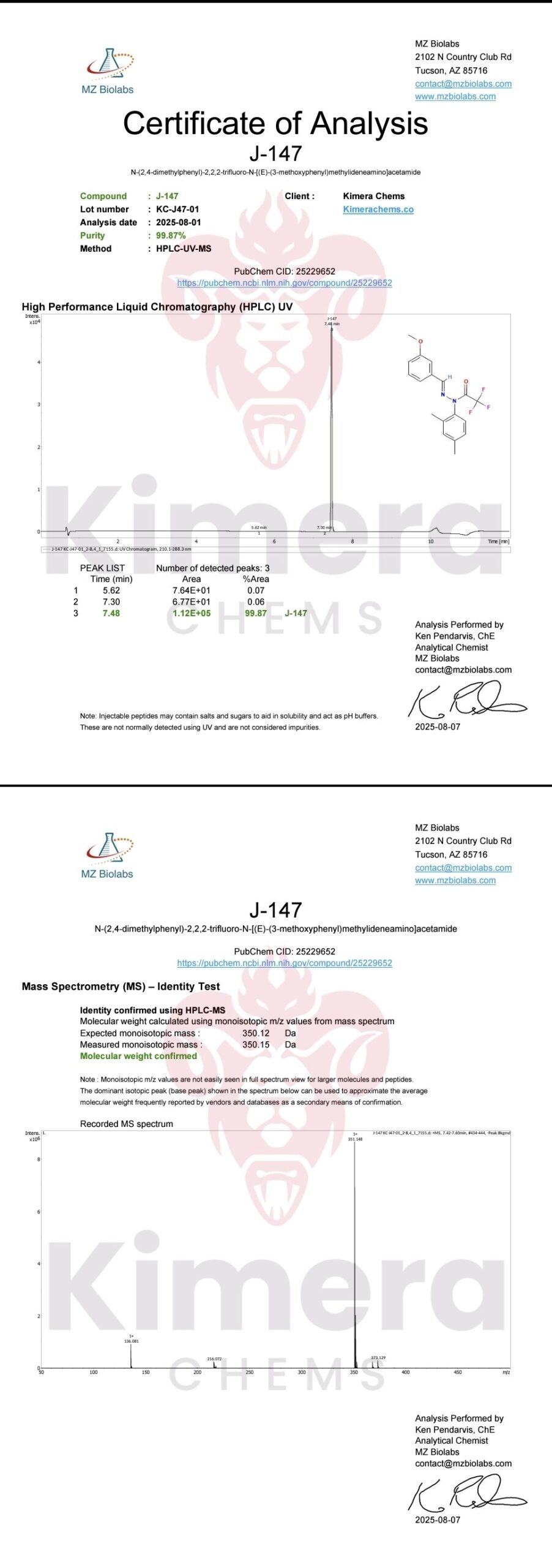

J-147 Overview
J-147 is a synthetic small-molecule compound developed as a derivative of curcumin and investigated in laboratory research for its neuroprotective and cognition-related properties. It has been studied in preclinical models for effects on mitochondrial function, synaptic signaling, and cellular stress resistance, making it a compound of interest in neuroscience and neurodegeneration research.
J-147 is not approved for human or veterinary use and is supplied strictly for laboratory and analytical research purposes.
Mechanism of Action
J-147 is investigated for multi-target activity related to neuronal health and cellular energy regulation. In research models, J-147 has been shown to:
-
Modulate mitochondrial bioenergetics and ATP-related pathways
-
Influence synaptic plasticity and memory-associated signaling
-
Interact with stress-response and neuroinflammatory pathways
J-147 is often discussed as a phenotypic modulator rather than a single-target ligand, with mitochondrial ATP synthase proposed as a key interaction point in experimental systems.
Chemical Structure

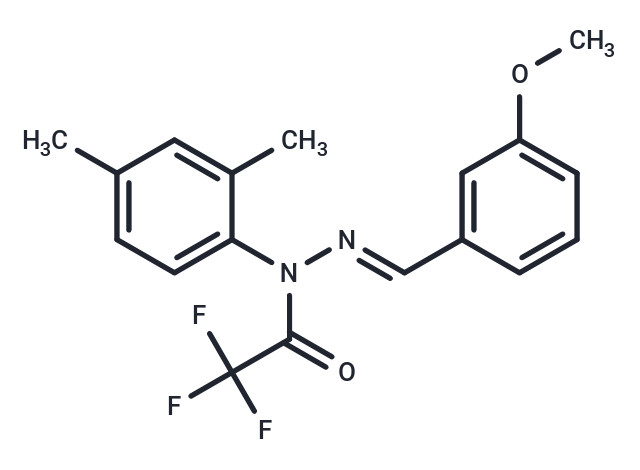
Chemical Name:
(E)-2,4-dimethoxybenzylidene-(1,2,3,4-tetrahydro-1-oxo-6-methylpyridine-2-yl)hydrazone
Synonyms:
J-147
Molecular Formula:
C₁₈H₂₁N₃O₃
Molecular Weight:
327.38 g/mol
CAS Number:
1146963-51-0
Structural Description:
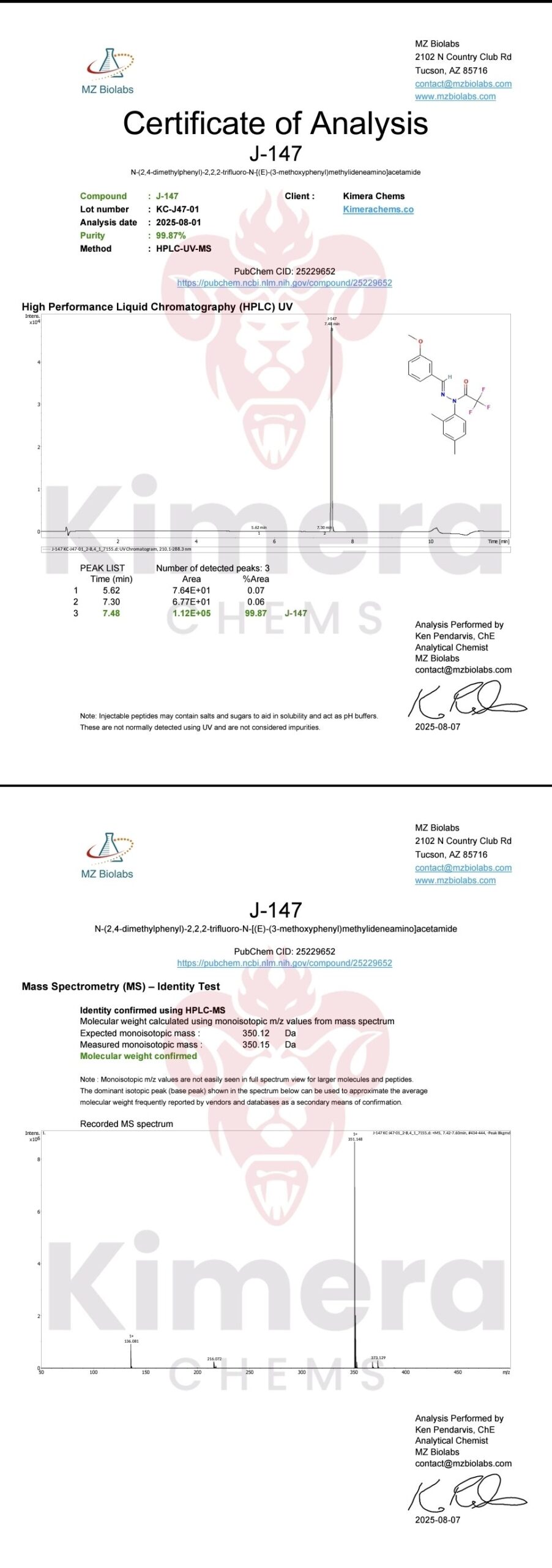
J-147 is a small-molecule hydrazone featuring substituted aromatic rings and a heterocyclic core. This scaffold contributes to mitochondrial interaction and neuroprotective signaling observed in laboratory research. Structural identification and molecular data are available via PubChem.
Physical and Chemical Properties
-
Appearance: White to off-white crystalline solid
-
Solubility: Limited aqueous solubility; soluble in common organic solvents
-
Stability: Stable under dry, cool, and light-protected storage conditions
Research Focus Areas
J-147 is commonly examined in laboratory research related to:
-
Neuroprotection and neuronal survival models
-
Mitochondrial function and cellular energetics
-
Synaptic plasticity and memory-related signaling
-
Neurodegeneration and aging research
Research Use Disclaimer
J-147 is intended for research use only.
Not for human consumption, therapeutic use, or diagnostic application. All handling and use must comply with applicable laws, regulations, and laboratory safety standards.
Summary
J-147 is a curcumin-derived small molecule with a defined chemical structure and broad neuroprotective research profile. Its effects on mitochondrial function, synaptic signaling, and cellular stress pathways make it a valuable research tool in studies of neurobiology, aging, and neurodegenerative mechanisms.
| CAS Number | 1146963-51-0 |
| Other Names | J-147, J147, J 147, 1146963-51-0, UNII-Z41H3C5BT9, 1807913-16-1, Z41H3C5BT9, CHEMBL2387144, SCHEMBL12995834, SCHEMBL21294999, CHEBI:192601 |
| IUPAC Name | N-(2,4-dimethylphenyl)-2,2,2-trifluoro-N-[(E)-(3-methoxyphenyl)methylideneamino]acetamide |
| Molecular Formula | C₁₈H₁₇F₃N₂O₂ |
| Molecular Weight | 350.3 |
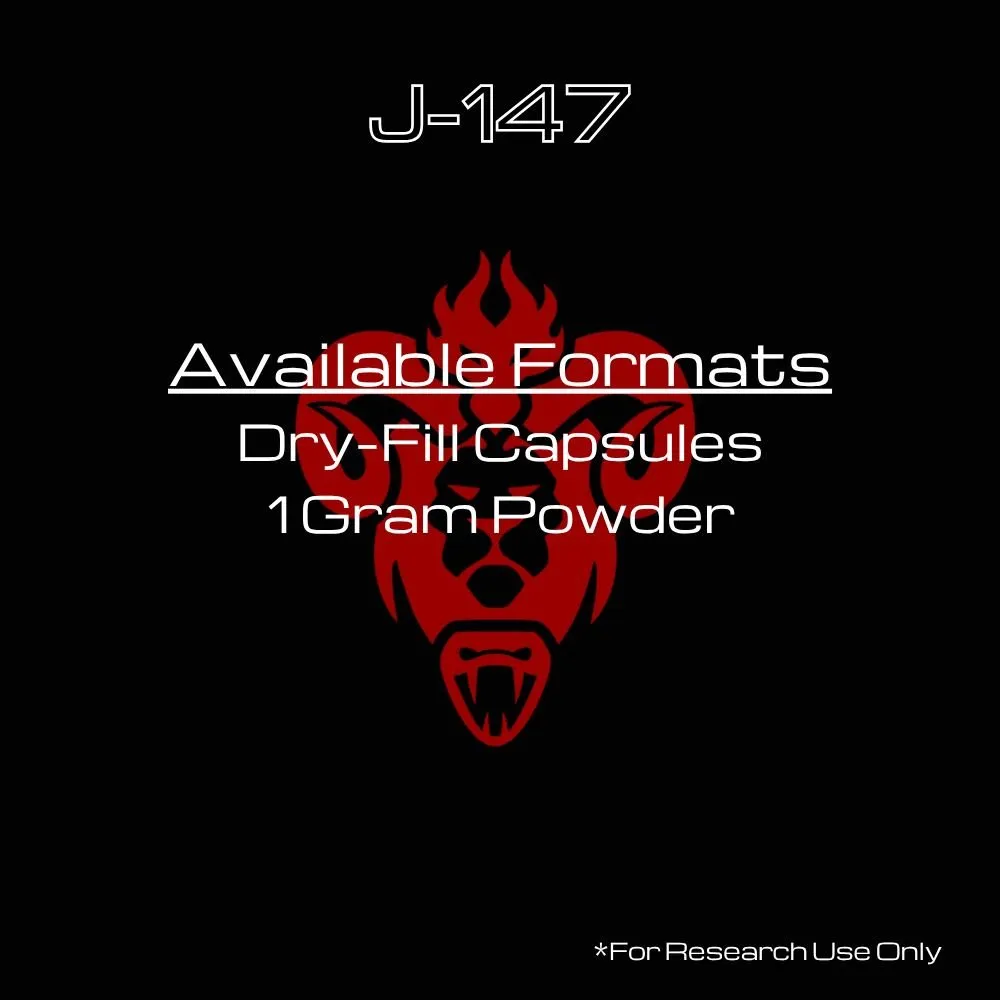
| Dry-Fill Capsule Concentration | 10mg |