
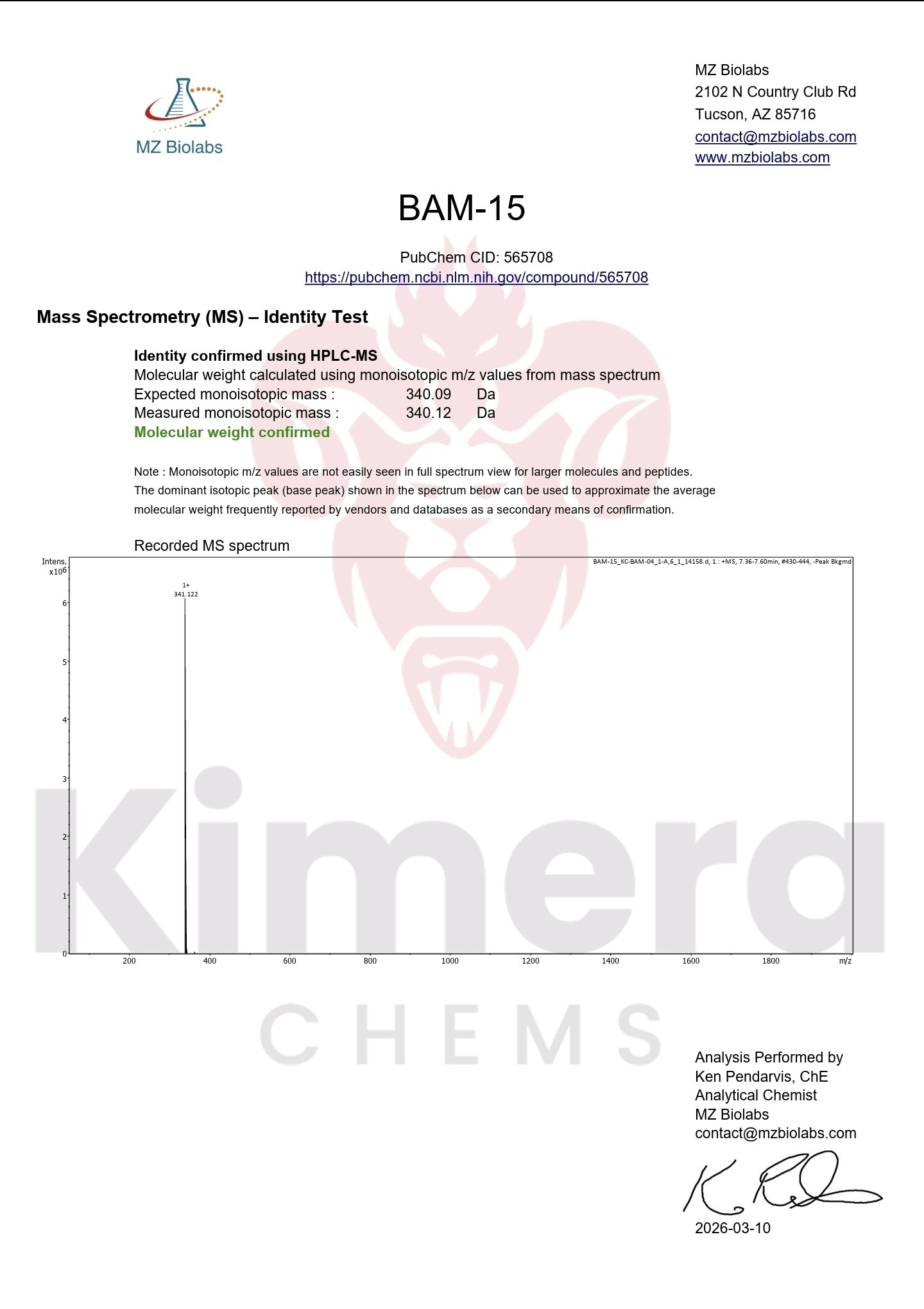
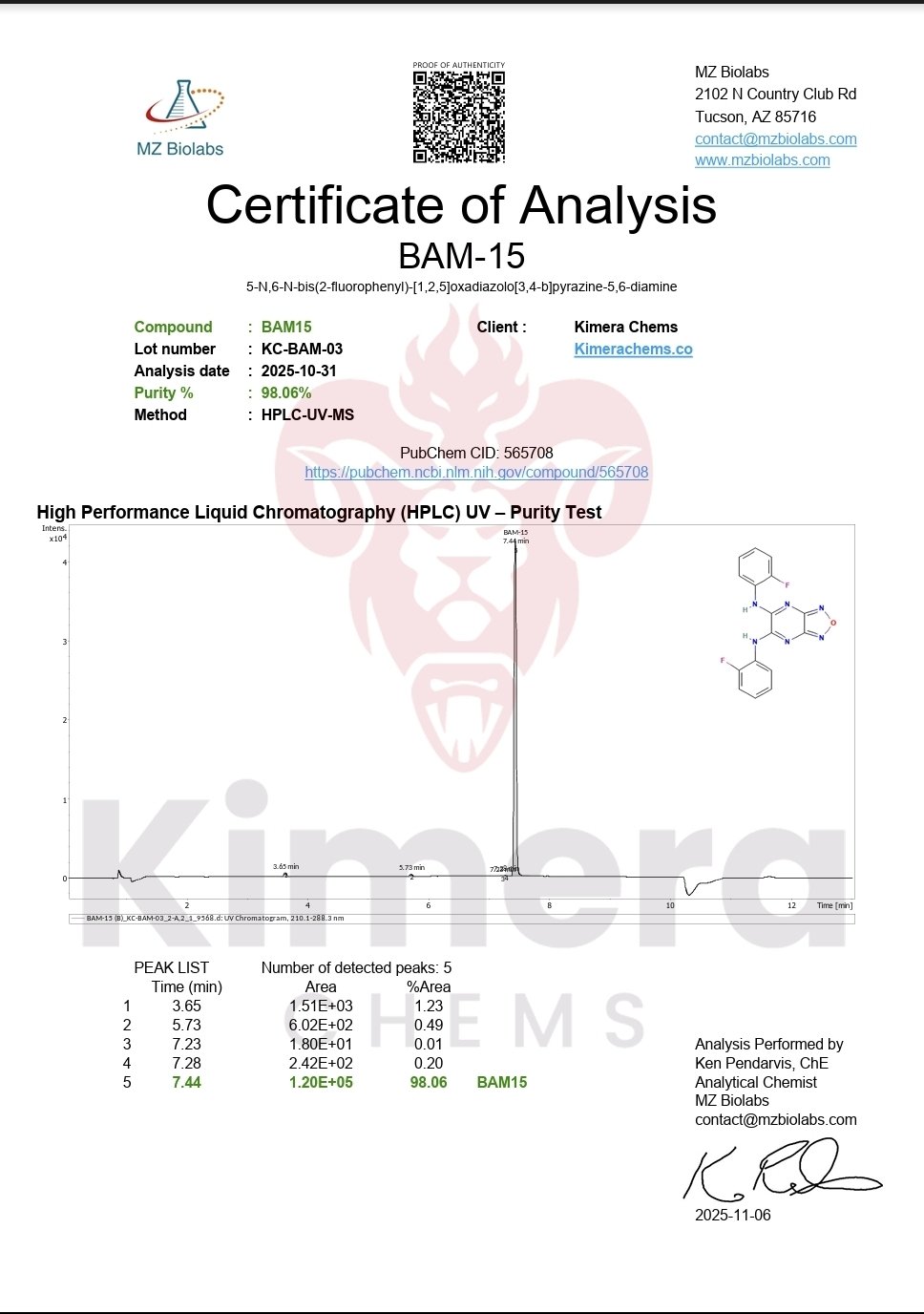
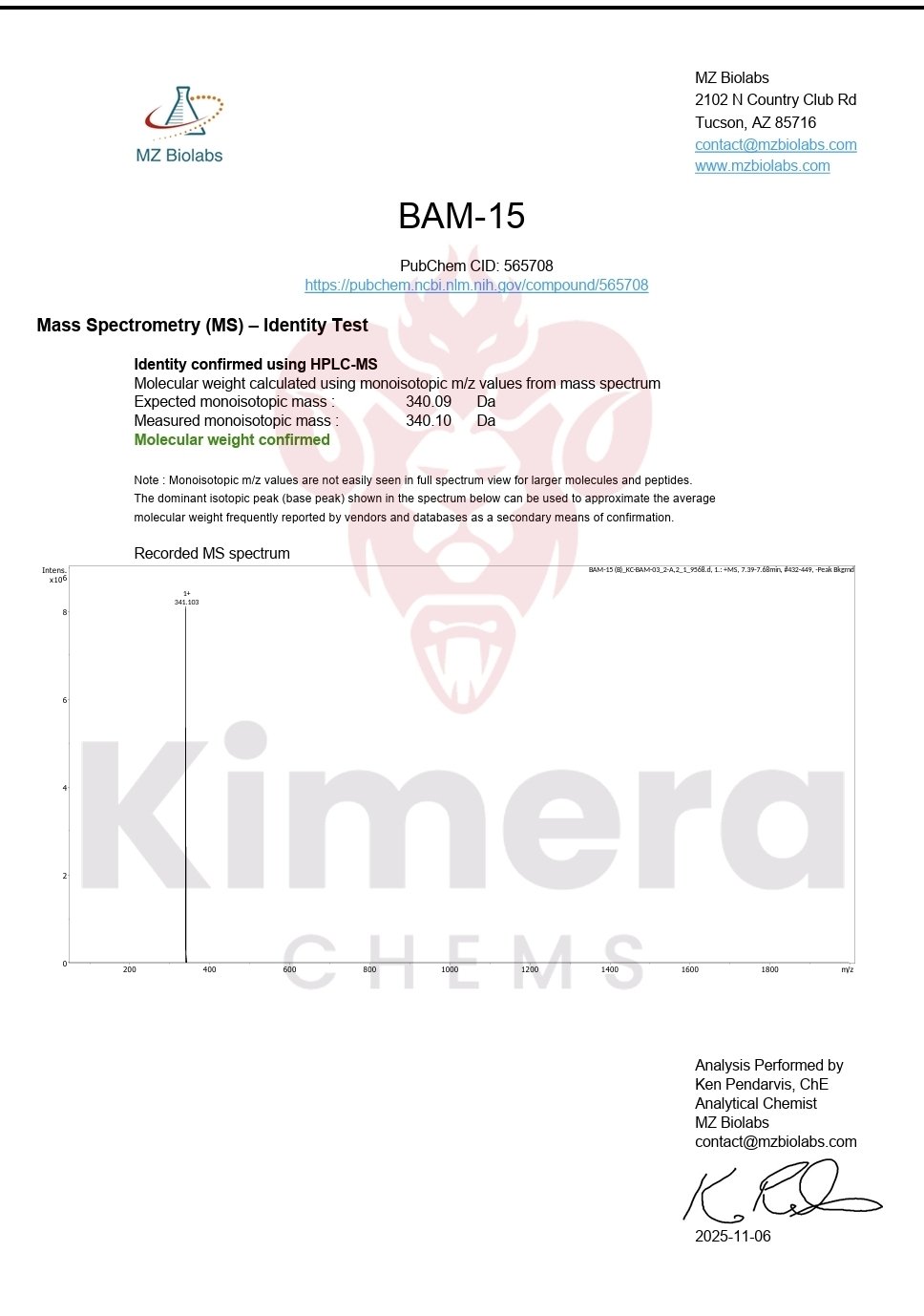
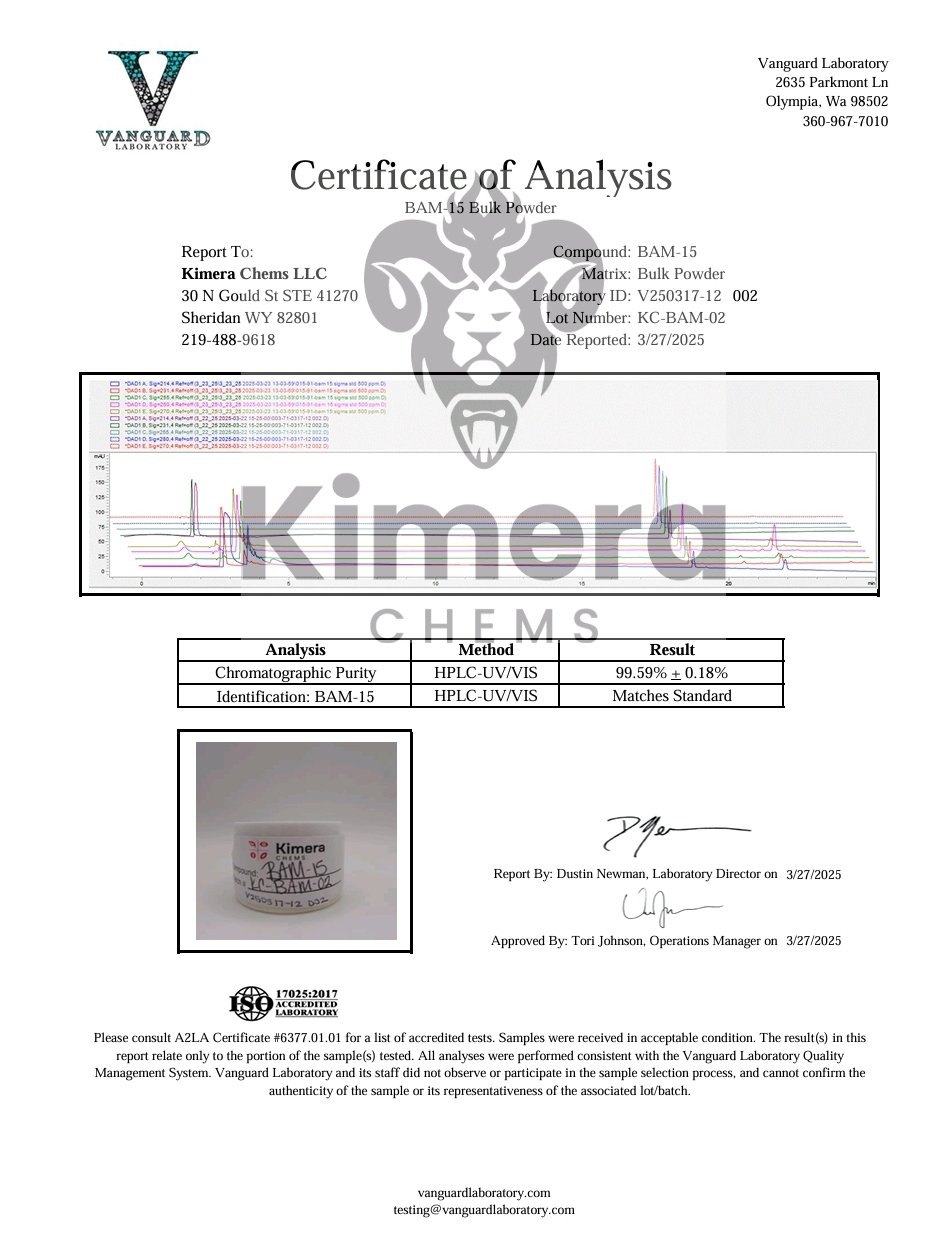

What Is BAM-15?
BAM-15 is a synthetic mitochondrial uncoupling agent developed for preclinical metabolic research. It is designed to dissipate the mitochondrial proton gradient, increasing energy expenditure without directly inhibiting ATP synthesis, making it structurally and functionally distinct from older uncouplers such as DNP.
BAM-15 has been widely studied in cellular and animal models to evaluate its effects on energy balance, fat oxidation, insulin sensitivity, and mitochondrial efficiency.
Mechanism of Action (Research Context)
BAM-15 functions as a protonophore at the mitochondrial inner membrane:
-
Transports protons across the inner mitochondrial membrane
-
Reduces mitochondrial membrane potential
-
Increases substrate oxidation and oxygen consumption
-
Promotes heat generation instead of ATP production
Unlike classical uncouplers, BAM-15 demonstrates:
-
No significant inhibition of ATP synthase
-
Lower cytotoxicity in vitro
-
Minimal impact on cardiac mitochondrial function in studies
This selective uncoupling profile has made BAM-15 a compound of interest in metabolic disorder and obesity research.
Chemical & Physical Properties
| Property | Value |
|---|---|
| Chemical Name | BAM-15 |
| Molecular Weight | ~341.3 g/mol |
| Molecular Formula | C₁₇H₁₅N₃O₃ |
| Appearance | Off-white to pale yellow powder |
| Solubility | Soluble in DMSO, DMF; limited aqueous solubility |
| Stability | Stable under dry, cool, light-protected conditions |
Research Applications
BAM-15 is used exclusively in laboratory research settings, including:
-
Mitochondrial bioenergetics studies
-
Obesity and metabolic syndrome models
-
Insulin sensitivity and glucose metabolism research
-
Fat oxidation and energy expenditure analysis
-
Mitochondrial stress-response investigations
Its improved safety margin in preclinical models has positioned BAM-15 as a next-generation uncoupling tool for metabolic research.
BAM-15 vs Traditional Uncouplers
| Feature | BAM-15 | DNP |
|---|---|---|
| ATP synthase inhibition | No | Indirect |
| Cardiac toxicity | Minimal (preclinical) | High |
| Selectivity | High | Low |
| Research viability | Modern | Obsolete |
Storage & Handling (Research Use)
-
Store in a cool, dry environment
-
Protect from light and moisture
-
Use appropriate laboratory PPE
-
Dissolve using validated research solvents only
Regulatory & Use Disclaimer
BAM-15 is sold strictly for research purposes only.
Not for human consumption, medical use, or veterinary use.
Not approved by the FDA or any regulatory authority.
Frequently Asked Research Questions
Is BAM-15 safer than DNP?
In preclinical research models, BAM-15 demonstrates a wider safety margin and improved mitochondrial selectivity compared to classical uncouplers.
Does BAM-15 affect ATP levels?
Studies indicate BAM-15 increases energy expenditure without fully depleting cellular ATP, distinguishing it from older uncoupling agents.
Is BAM-15 orally bioavailable?
Oral bioavailability has been demonstrated in animal models only and remains an area of ongoing research.
Related Research Compounds
-
Mitochondrial uncouplers
-
Metabolic modulators
-
Fat oxidation research agents
-
Bioenergetics pathway probes
| CAS Number | 210302-17-3 |
| Other Names | BAM 15, BAM15, Oprea1_627044, Oprea1_627044, CHEMBL3627755, SCHEMBL17240563 |
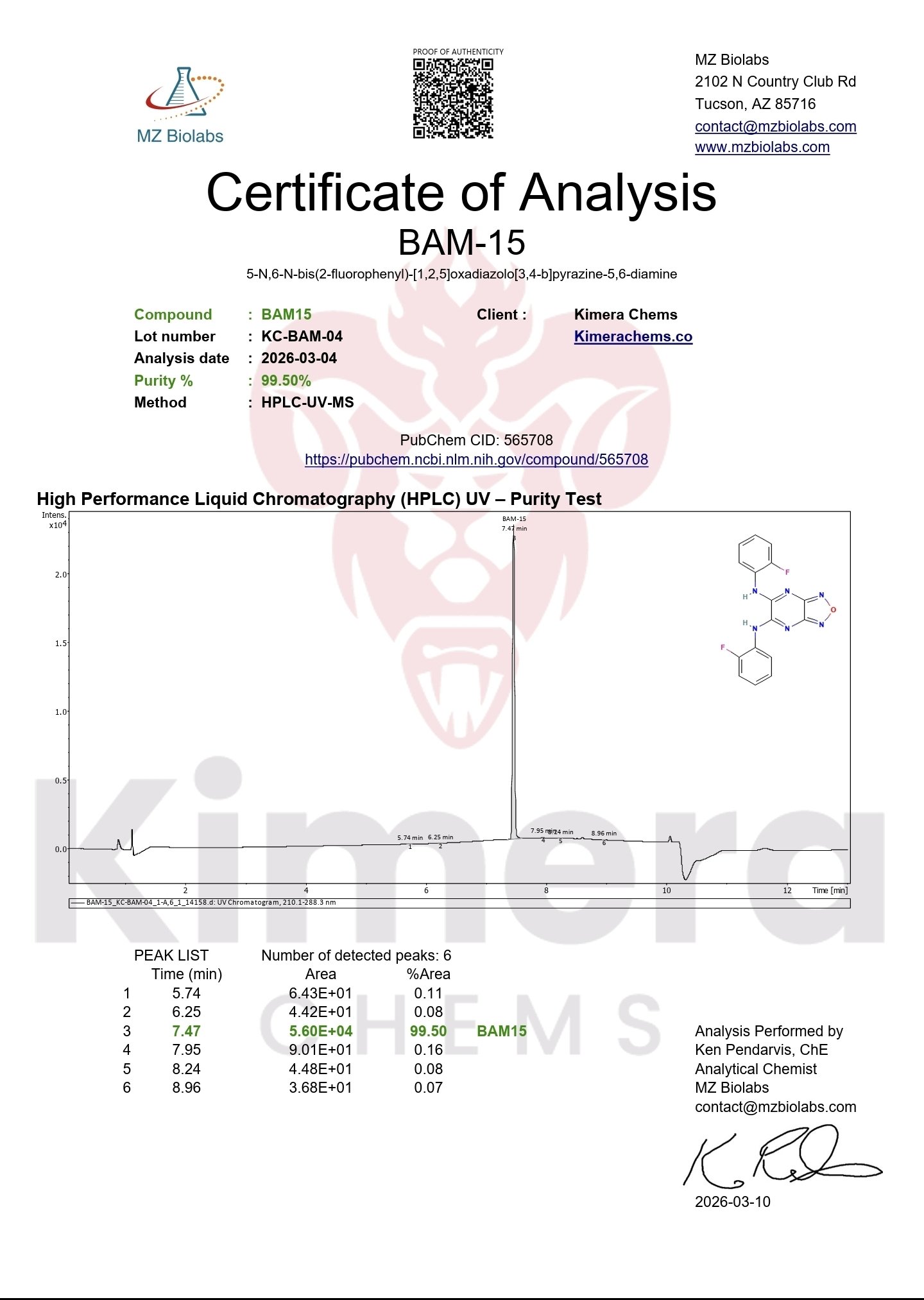
| IUPAC Name | N5,N6-Bis(2-fluorophenyl)[2,1,3]oxadiazolo[4,5-b]pyrazine-5,6-diamine |
| Molecular Formula | C₁₆H₁₀F₂N₆O |
| Molecular Weight | 340.29 |
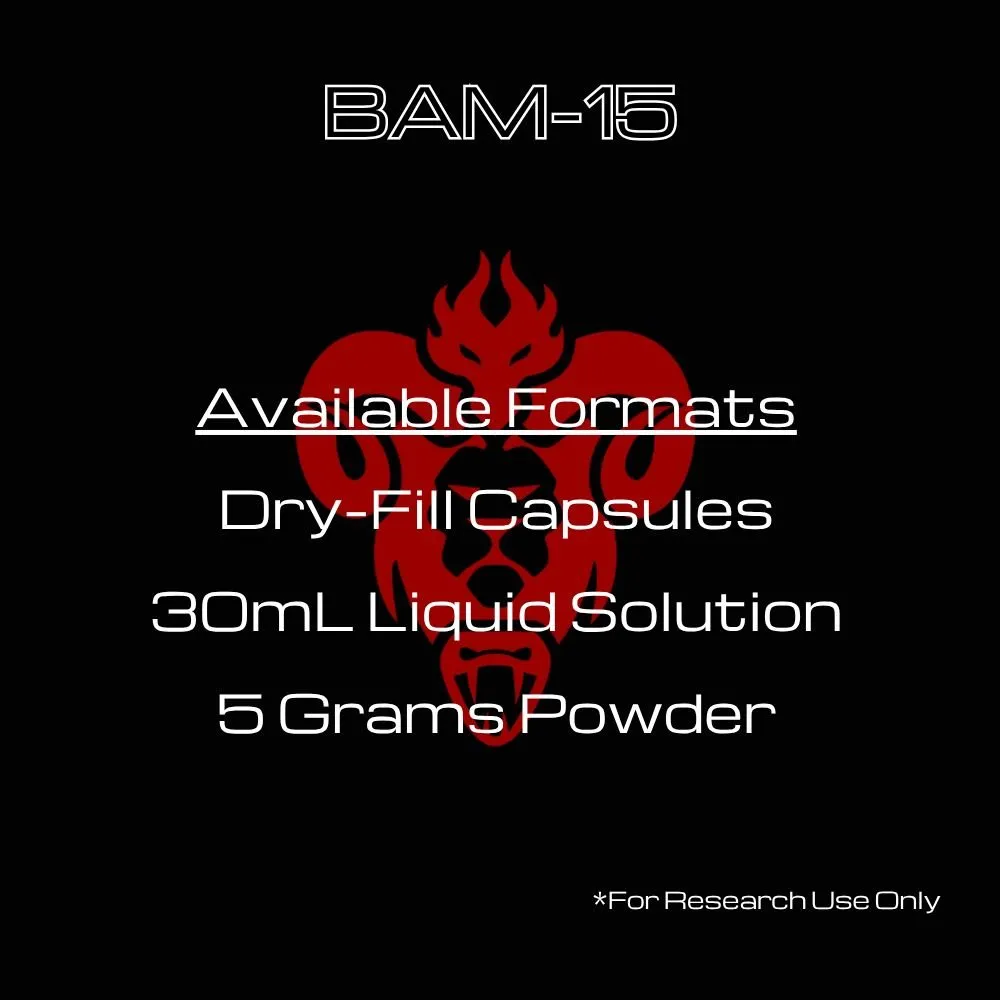
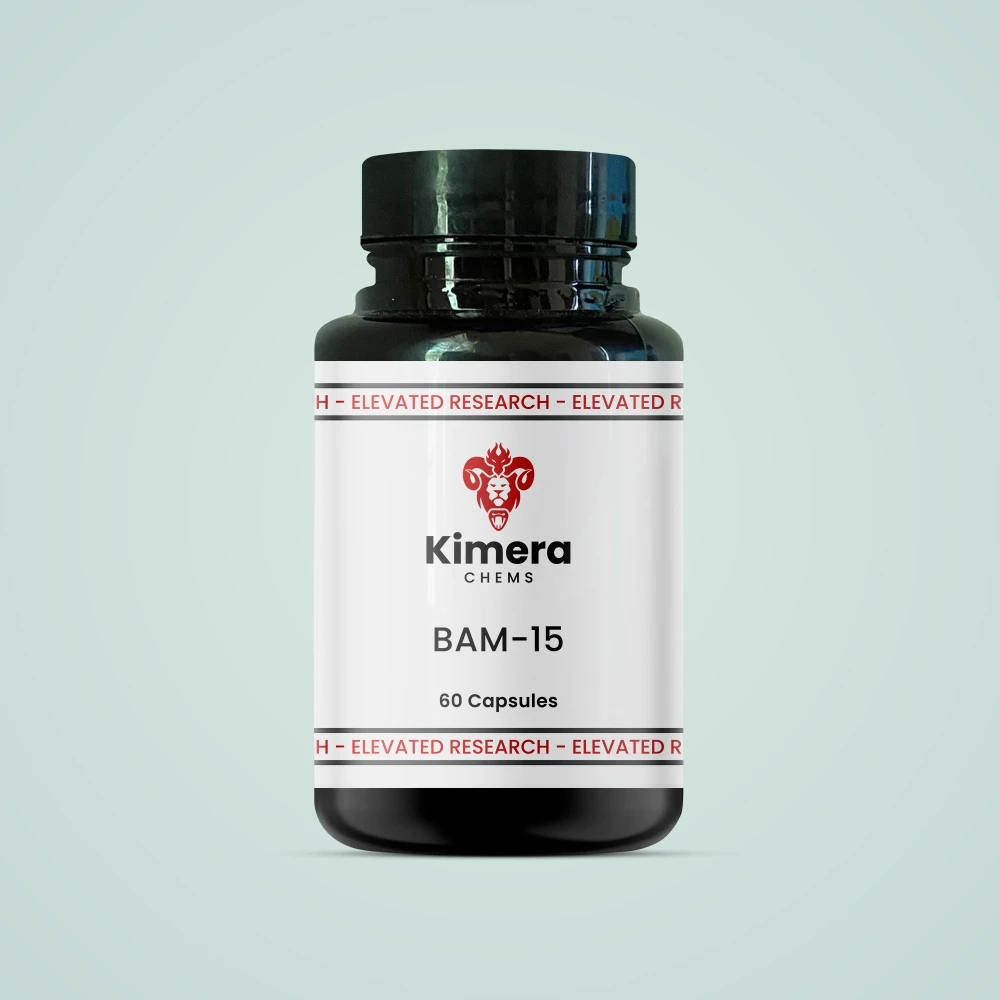
| Dry-Fill Capsule Concentration | 50mg |
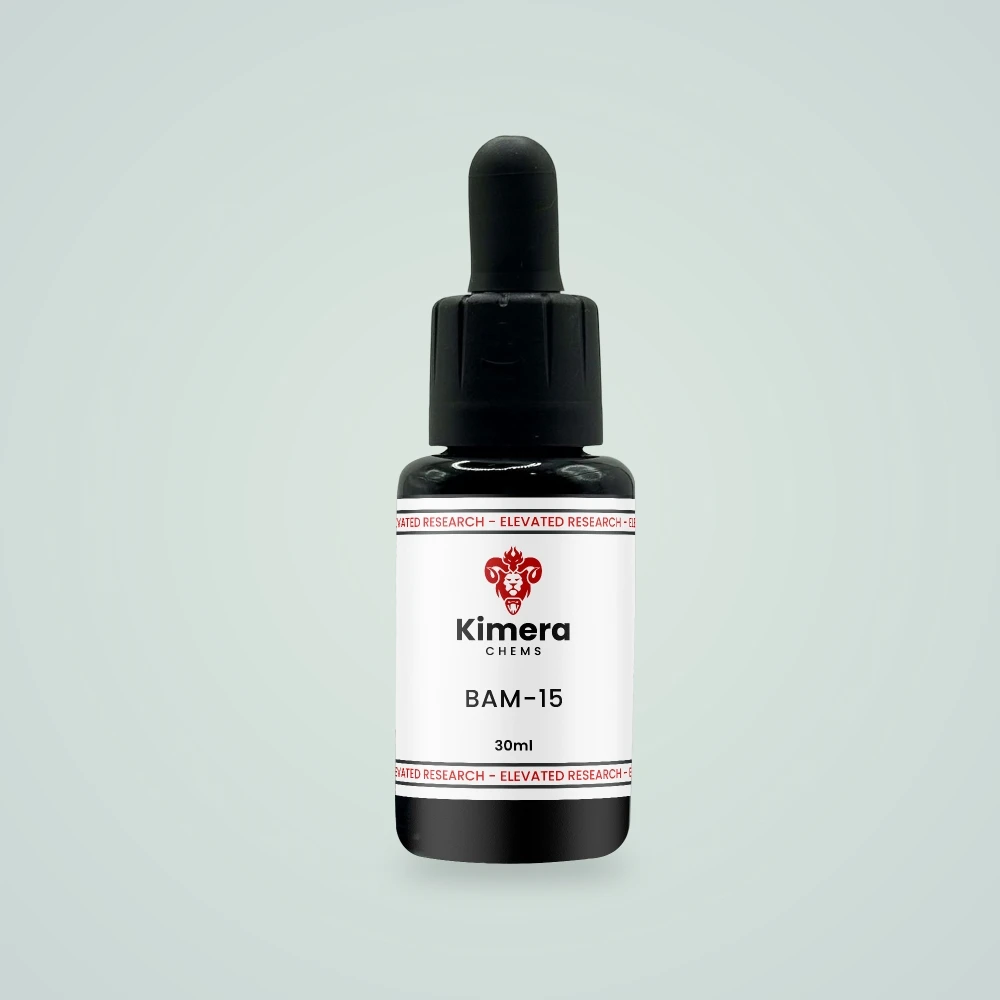
| Liquid Concentration And Solution | 50mg/ml (PEG400, DMSO, Ethanol) |
| Aliquot Concentration And Solution | NA |