
1,3-DMAA Overview
1,3-DMAA, also referred to as methylhexanamine or 1,3-dimethylamylamine, is a synthetic aliphatic amine compound that has been studied in laboratory research for its stimulant and sympathomimetic properties. It is structurally related to other simple amines known to influence adrenergic signaling pathways and has been examined in research models involving central nervous system stimulation and cardiovascular response mechanisms.
1,3-DMAA is not approved for human or veterinary use and is supplied strictly for laboratory and analytical research purposes.
Mechanism of Action
1,3-DMAA is believed to exert its stimulant effects primarily through indirect activation of adrenergic pathways. In research models, it has been shown to increase synaptic concentrations of catecholamines, such as norepinephrine, through enhanced release and reduced reuptake. This adrenergic stimulation is associated with increased alertness, vasoconstriction, and elevated sympathetic nervous system activity.
The compound is frequently studied as a reference molecule in stimulant pharmacology and adrenergic signaling research.
Chemical Structure
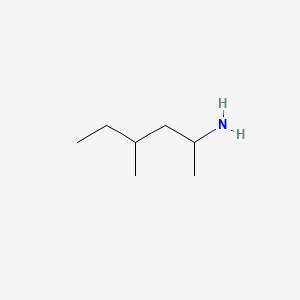

Chemical Name:
4-Methylhexan-2-amine
Synonyms:
1,3-DMAA, Methylhexanamine, 1,3-Dimethylamylamine
Molecular Formula:
C₇H₁₇N
Molecular Weight:
115.22 g/mol
CAS Number:
105-41-9
Structural Description:
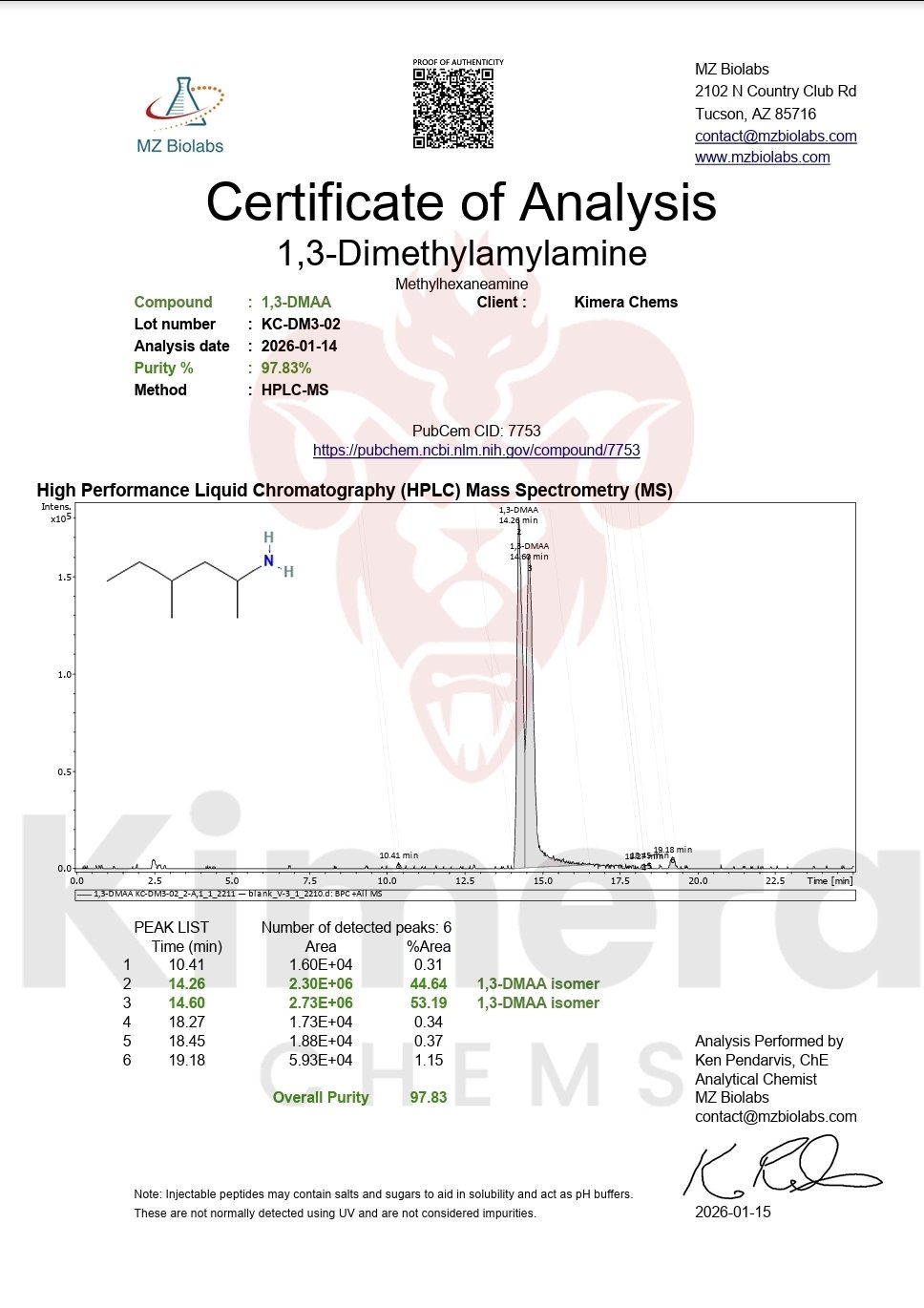
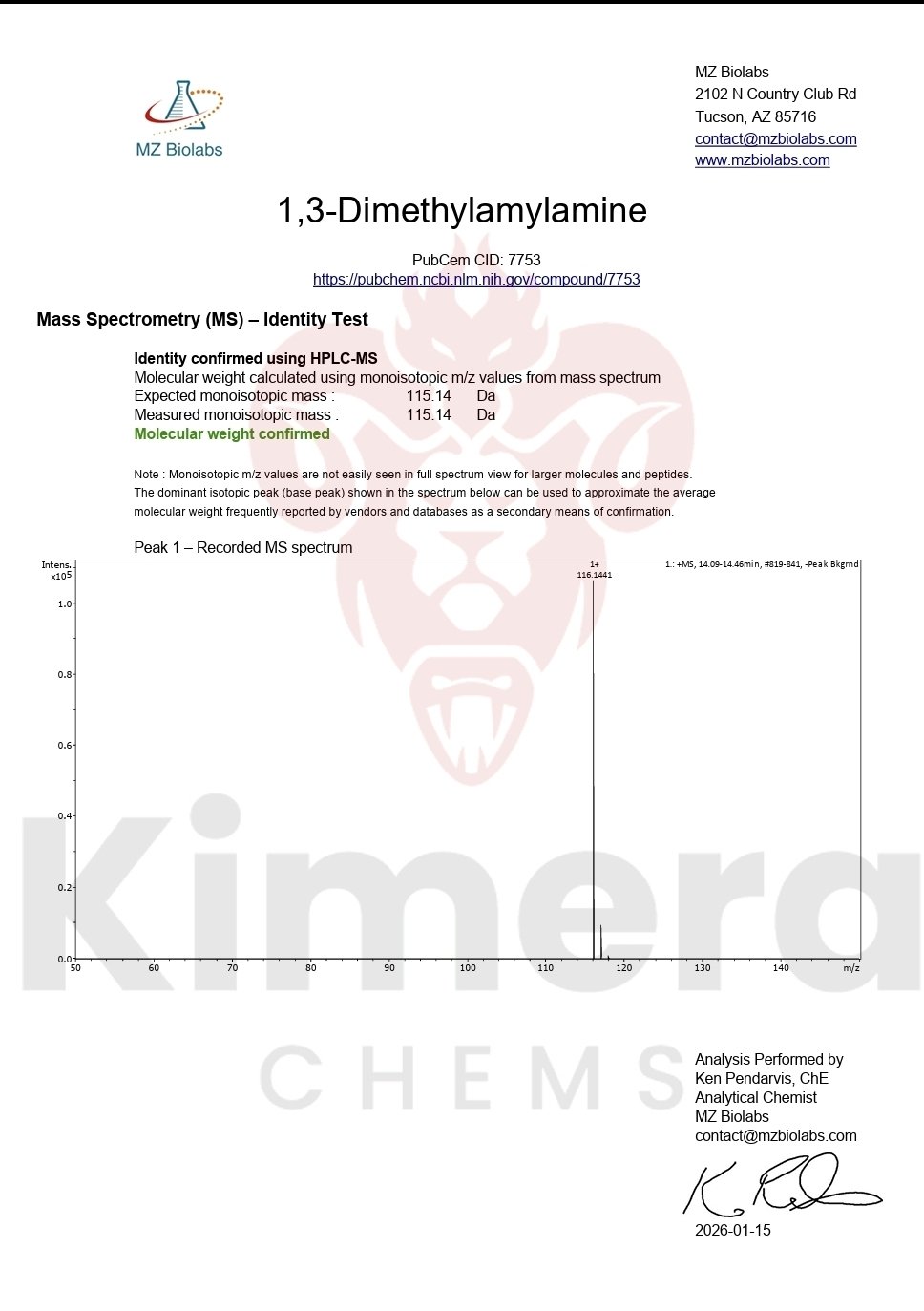
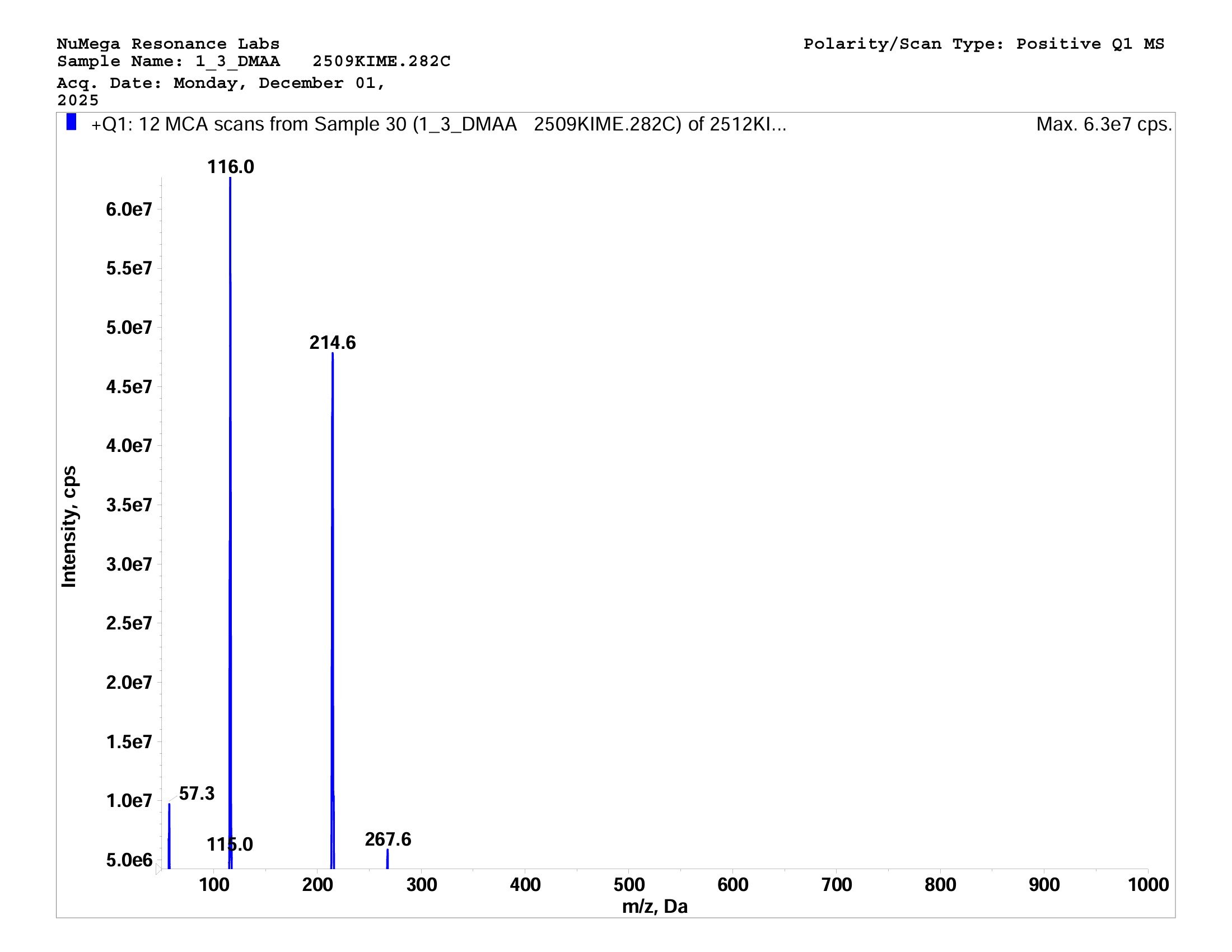
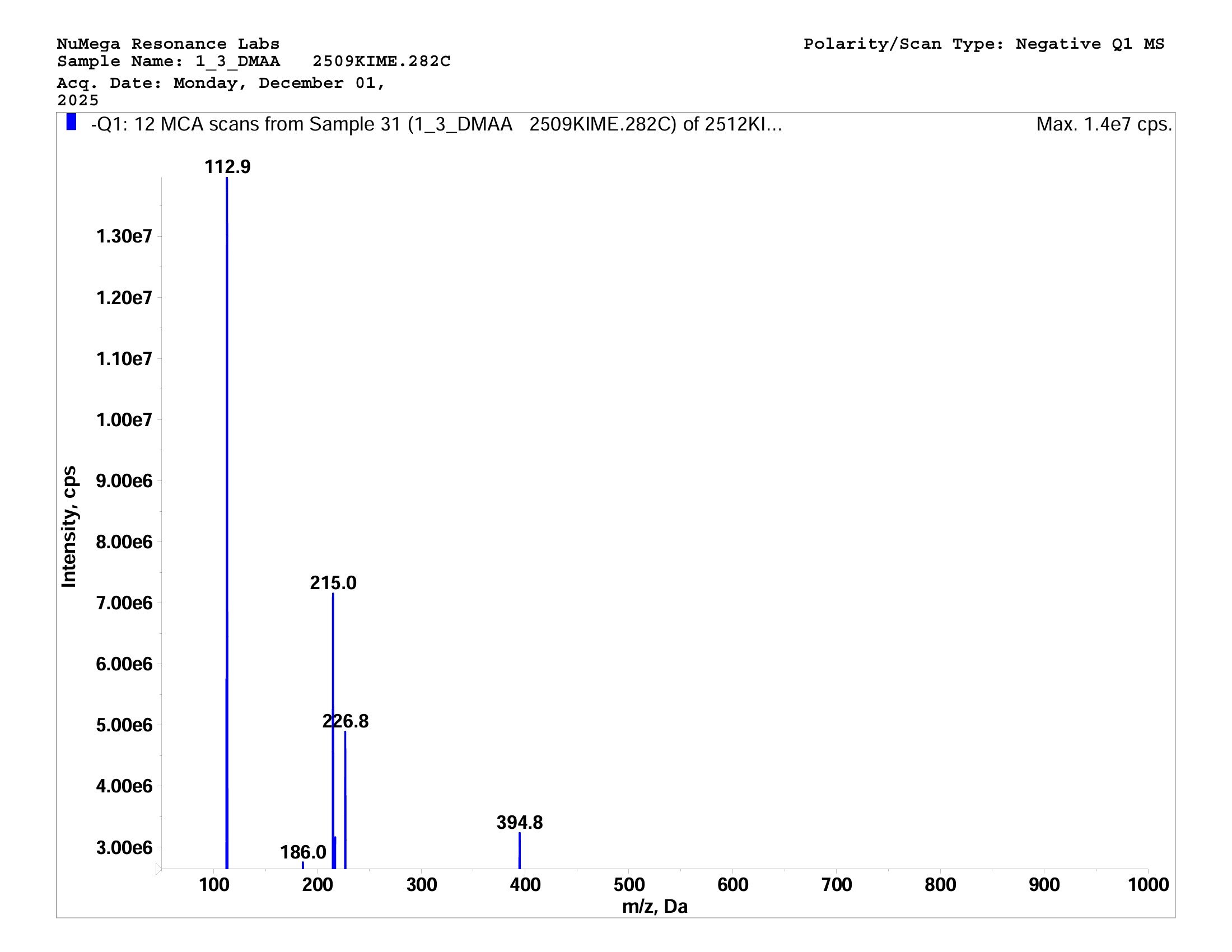
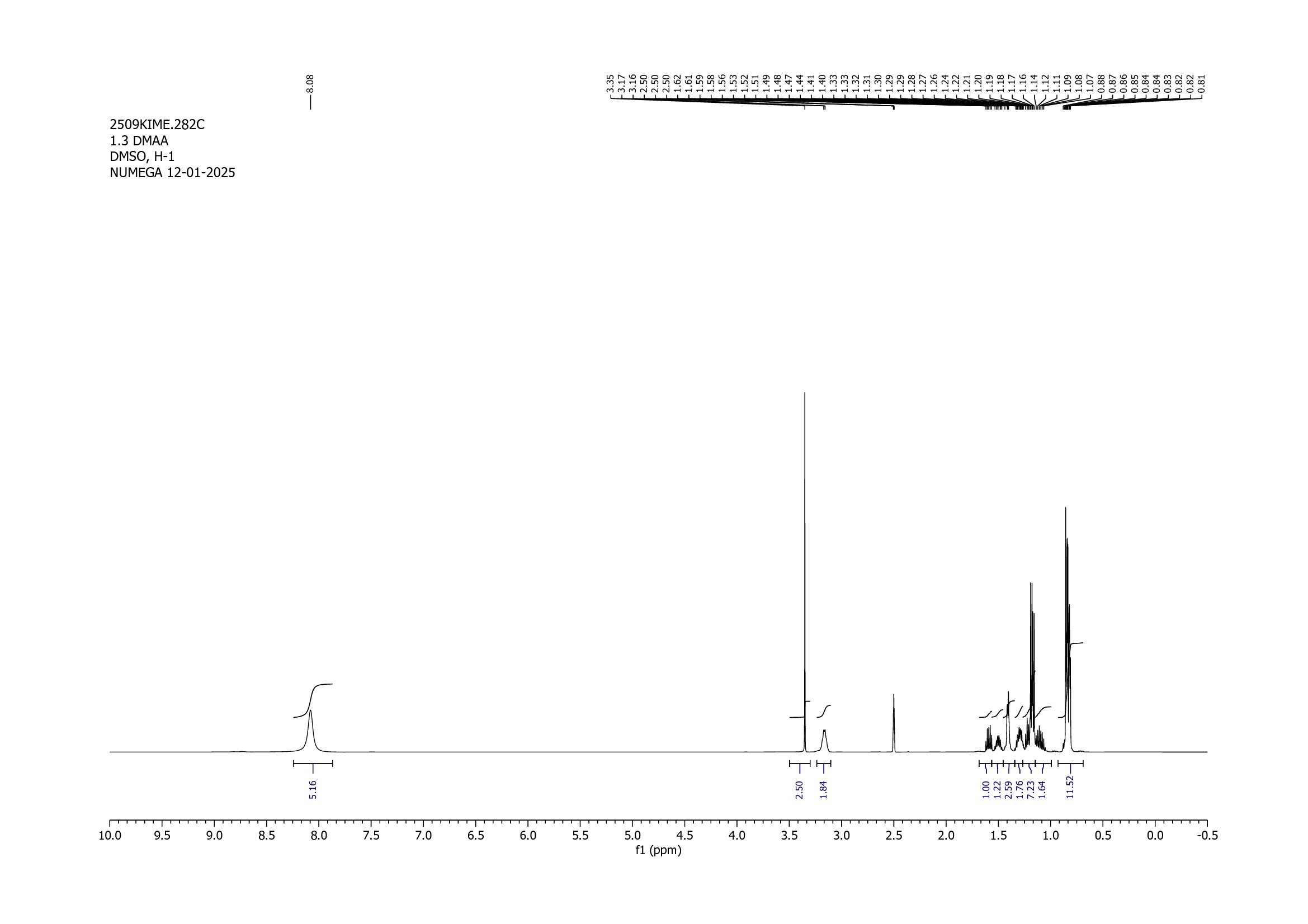
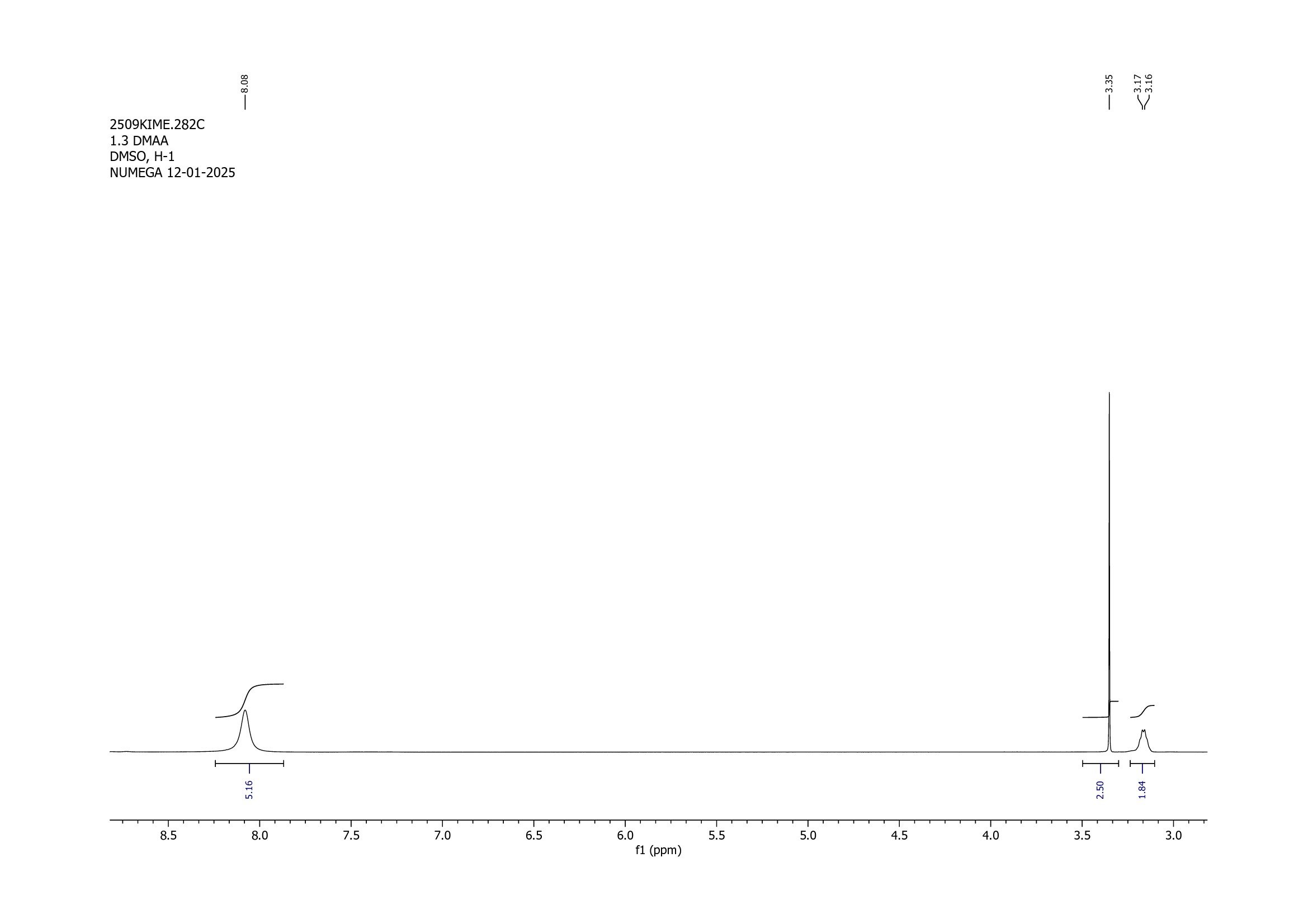
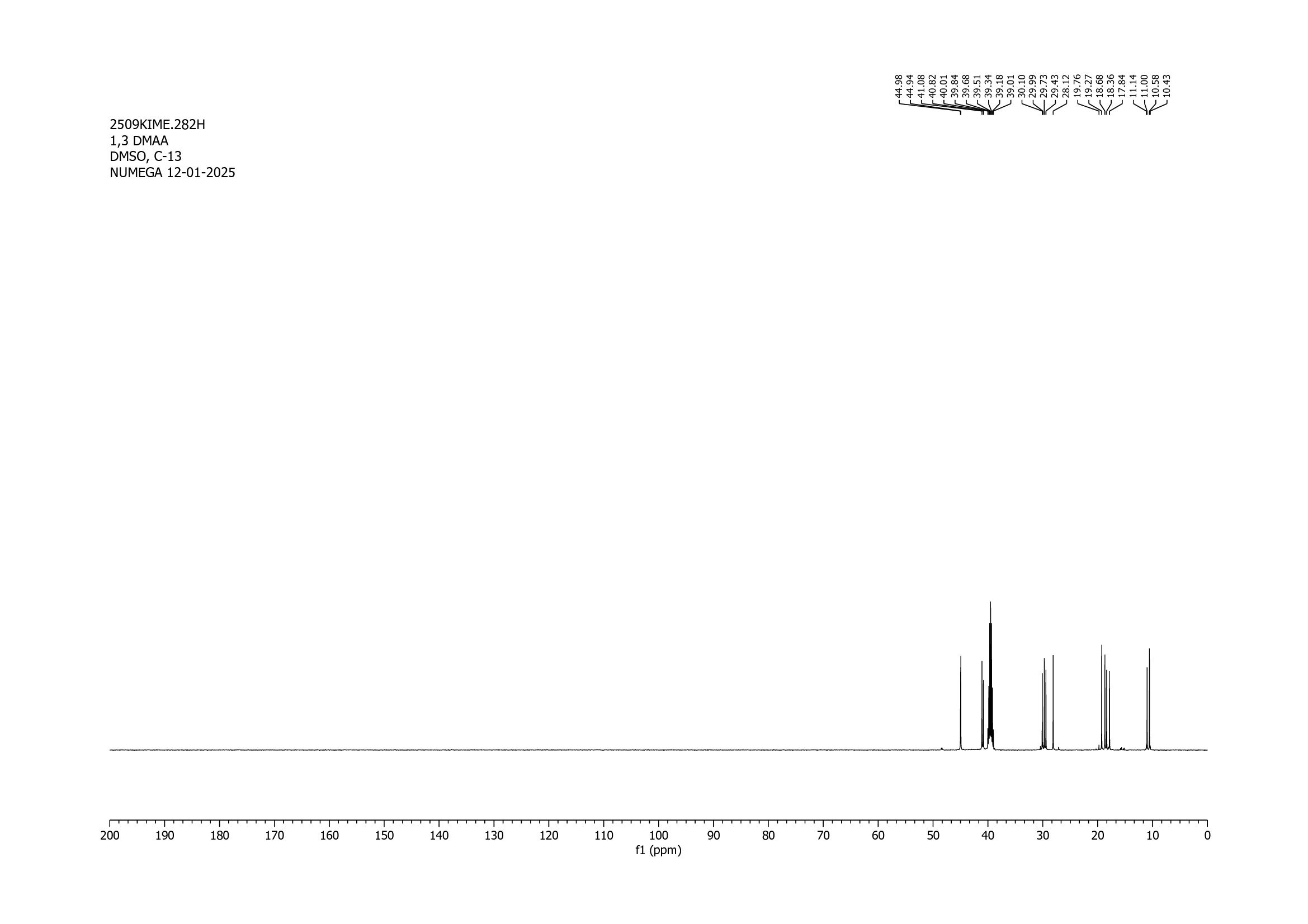
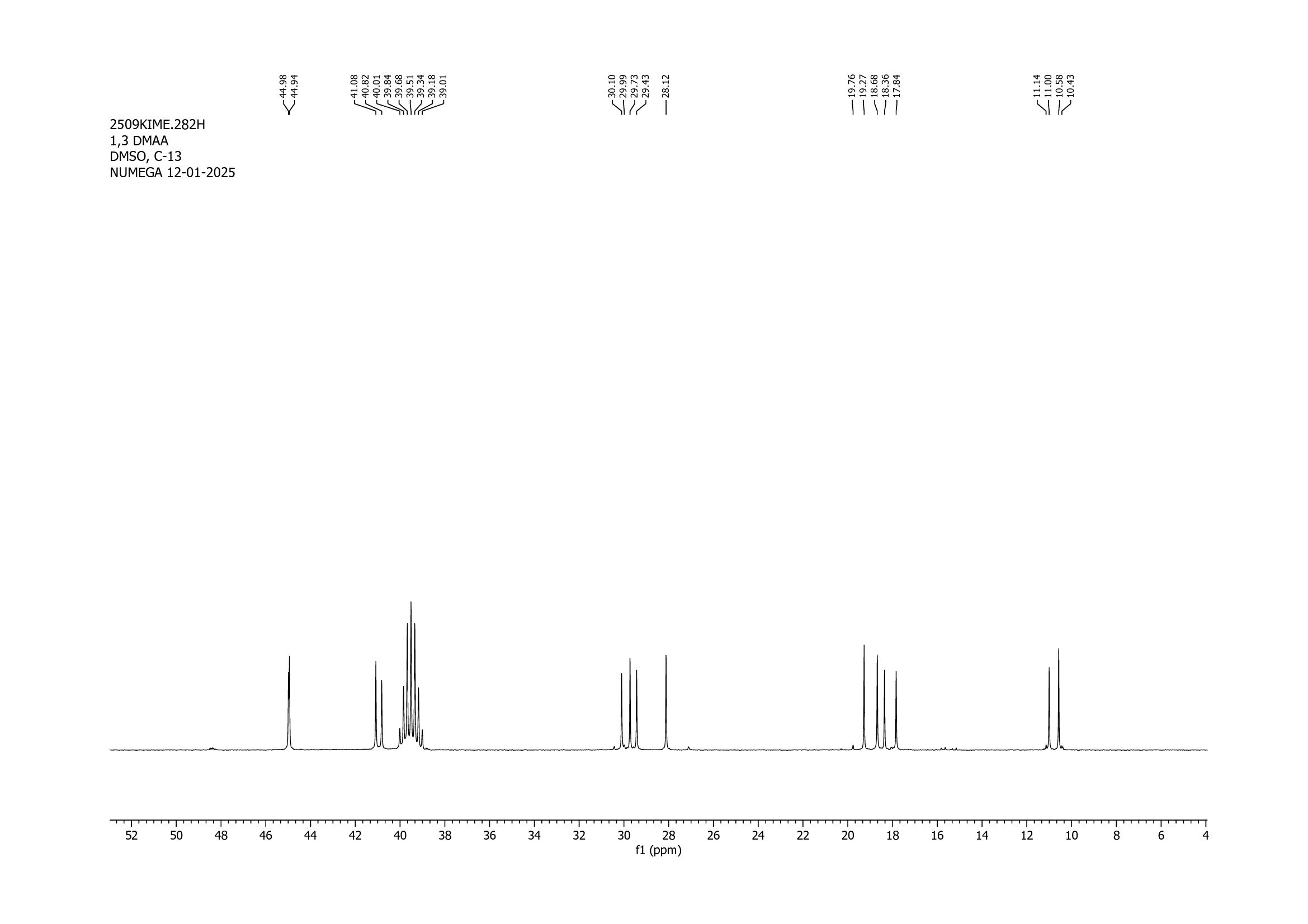
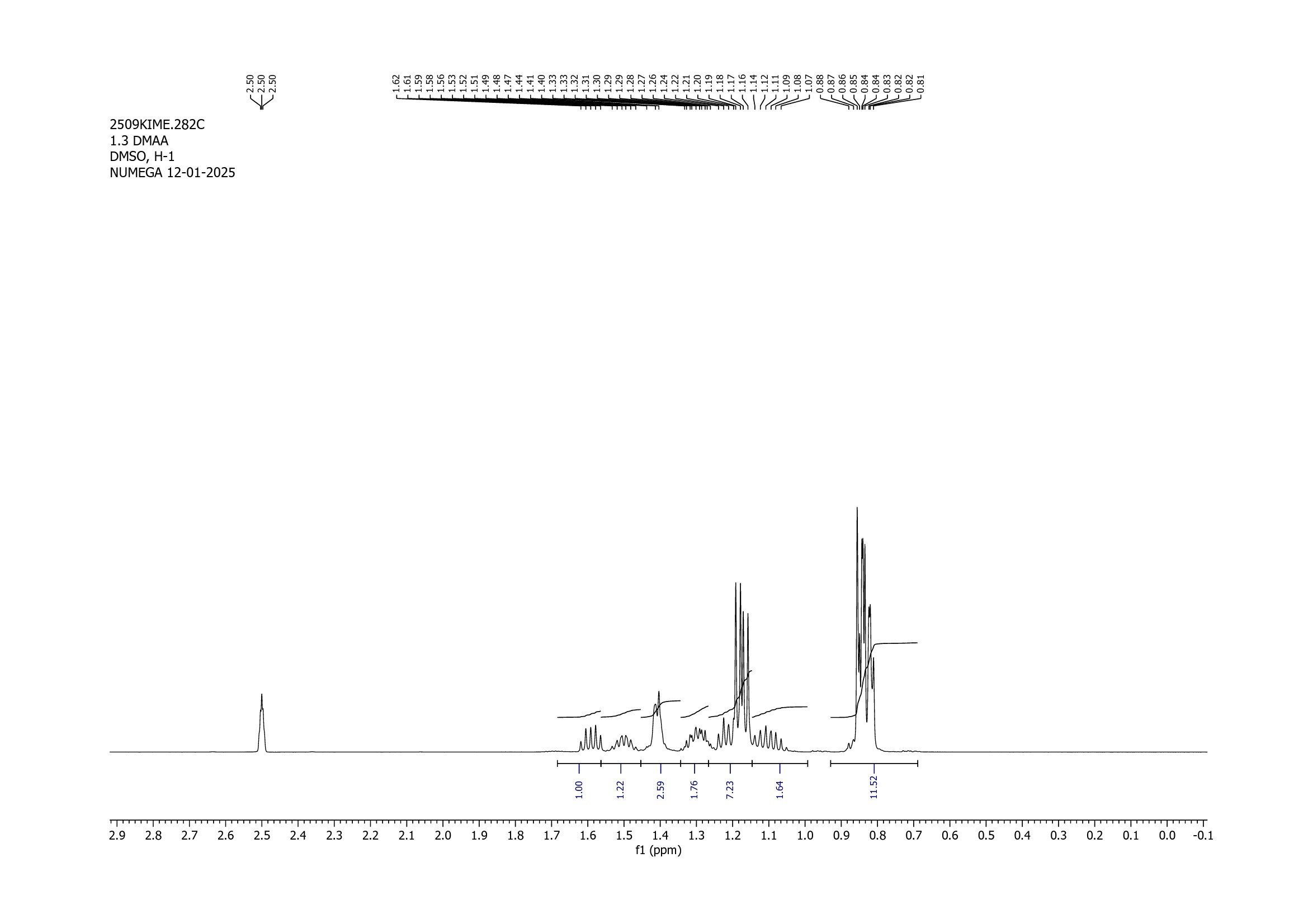
1,3-DMAA is a small aliphatic amine consisting of a six-carbon chain with methyl substitution and a primary amine functional group. This simple hydrocarbon backbone with amine functionality is characteristic of compounds that interact with adrenergic signaling pathways. Structural identification and molecular data are available via PubChem.
Physical and Chemical Properties
-
Appearance: Clear liquid or crystalline solid (form dependent)
-
Solubility: Soluble in water and organic solvents
-
Volatility: Moderate
-
Stability: Stable under dry, cool, and light-protected storage conditions
Research Focus Areas
1,3-DMAA is commonly examined in laboratory research related to:
-
Adrenergic receptor signaling pathways
-
Central nervous system stimulant models
-
Cardiovascular and vasoconstrictive response studies
-
Structure–activity relationship (SAR) analysis of aliphatic amines
Research Use Disclaimer
1,3-DMAA is intended for research use only.
Not for human consumption, therapeutic use, or diagnostic application. All handling and use must comply with applicable laws, regulations, and laboratory safety standards.
Summary
1,3-DMAA is a low-molecular-weight aliphatic amine with a clearly defined chemical structure and established use as a reference stimulant compound in adrenergic and CNS research models. Its simplicity and well-documented pharmacological behavior make it a compound of interest in stimulant mechanism and signaling studies.
| CAS Number | 105-41-9 |
| Other Names | 1,3-Dimethylpentylamine, 4-methylhexan-2-amine, 105-41-9, Methylhexaneamine, Forthane, 2-Amino-4- methylhexane, Forthan, 1,3-Dimethylamylamine, 2-Hexanamine, 4-methyl-, 4-Methyl-2-hexylamine, Methylhexanamine, Dimethylamylamine, NSC 1106, EINECS 203-296-1, BRN 1731697, AI3-16556, Geranamine, DMAA [Dietary Supplement], HSDB 8164, Pentylamine,3-dimethyl-, AC1L1PH3, AC1Q2S8H, 4-04-00-00747 (Beilstein Handbook Reference), SCHEMBL243596, 1,3-DIMETHYLPENTANAMINE, CTK4A3829, Methylhexanamine hydrochloride, W-108787, FT-0082691 |
| IUPAC Name | 4-methylhexan-2-amine; hydrochloride |
| Molecular Formula | C7H18ClN |
| Molecular Weight | 151.68 g/mol |
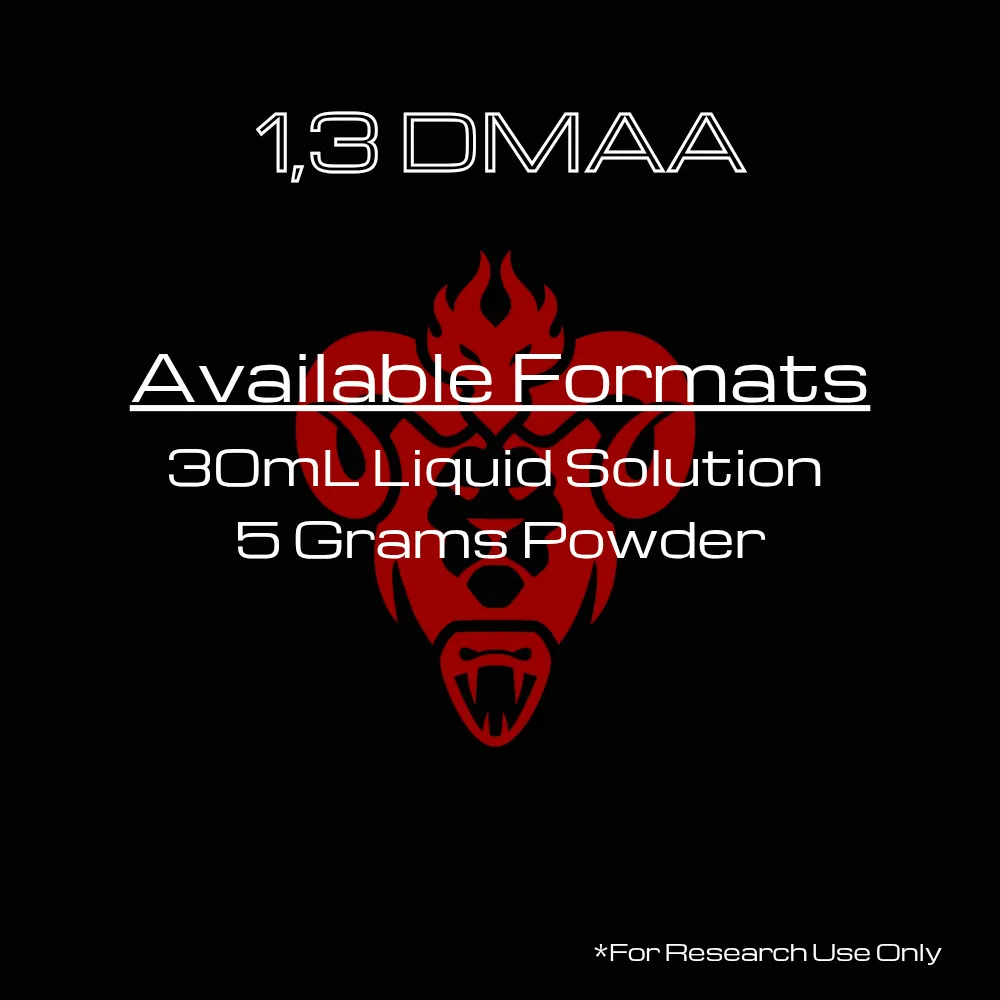
| Dry-Fill Capsule Concentration | NA |
| Liquid Concentration And Solution | 100mg/ml. Deionized water, ethanol, PS80 |